Waymo funding February 2026 San Francisco Bay Area
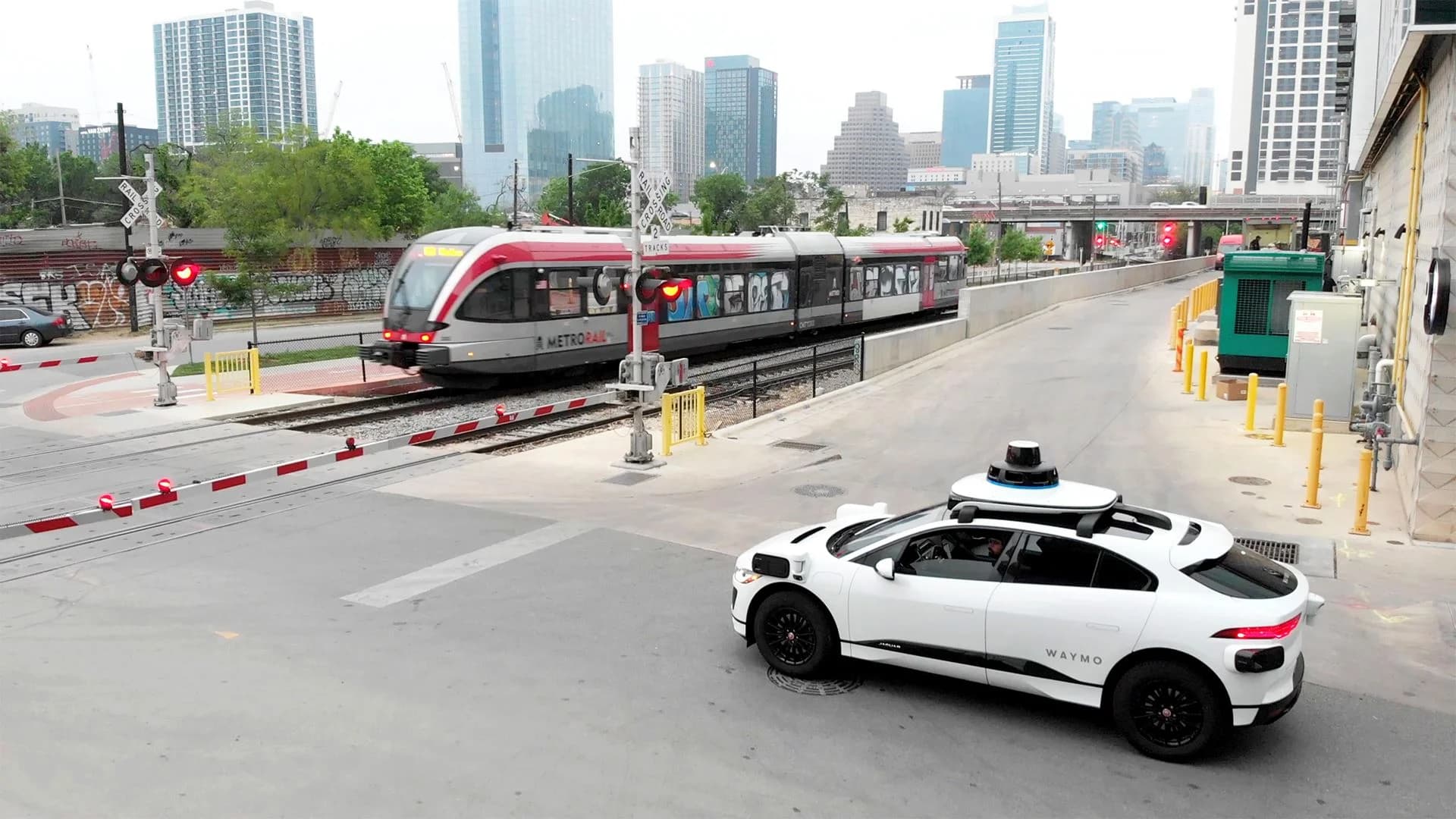
Waymo funding February 2026 San Francisco Bay Area marks a milestone in the evolution of autonomous mobility, signaling a new era of scale for the Bay Area’s leading driverless-technology company. On February 2, 2026, Waymo announced a $16 billion investment round that elevates the company’s post-money valuation to about $126 billion. Alphabet will remain the majority investor, but the round was led by a trio of big-name firms—Dragoneer Investment Group, DST Global, and Sequoia Capital—with extensive participation from a broad roster of strategic and venture backers. This news, rooted firmly in Waymo’s own blog post, places Waymo at the center of a dramatic push to deploy autonomous mobility at scale across the United States and internationally. The Bay Area, already the company’s home base, stands to benefit from intensified capital activity, talent concentration, and a faster cadence of deployment and service expansion. (waymo.com)
In a period of heightened investor interest in AI-enabled infrastructure, Waymo’s financing round was framed as a stepping stone toward a broader, multi-city, and multi-market robotaxi platform. Waymo’s blog highlights the round’s size and scope, including a commitment to bring its autonomous mobility platform to more than 20 additional cities in 2026, with explicit mentions of international markets such as London and Tokyo. The investment also underscores the safety-first narrative that the company has emphasized as a differentiator in a crowded field, noting a safety performance that Waymo argues underpins its commercial push. Industry coverage quickly echoed that the round values Waymo at $126 billion post-money and signals a stepped-up globalization of driverless mobility. (waymo.com)
Opening Waymo funding February 2026 San Francisco Bay Area is more than a headline about a single round of finance. It represents a pivotal moment for the Bay Area’s role in the global AI and autonomous mobility economy, a moment that could influence investment patterns, city planning, and consumer access to robotaxi services. The February 2 announcement came as Waymo detailed concrete plans to expand its driver fleet and to accelerate growth in new and existing markets. Analysts and policymakers in the Bay Area will be watching closely to understand how the infusion of capital translates into real-world deployments, rider safety outcomes, and regulatory alignment across multiple jurisdictions. The Bay Area Times will continue to report on how this funding reshapes the local tech ecosystem, talent flows, and the competitive dynamics of autonomous mobility in Northern California and beyond. The news matters because it directly ties to ongoing questions about urban mobility, data infrastructure, and the practicality of scaling autonomous services in complex urban environments. (waymo.com)
What Happened
Funding Amount, Valuation, and Leadership
Waymo announced on February 2, 2026, that it had raised a $16 billion investment round, with a post-money valuation around $126 billion. Alphabet will continue to be Waymo’s majority investor, reinforcing the parent company’s strategic backing as the platform scales. The financing was led by Dragoneer Investment Group, DST Global, and Sequoia Capital, and it included significant participation from Andreessen Horowitz, Mubadala Capital, and additional well-known firms across the tech and investment ecosystems. This level of commitment signals strong investor confidence in Waymo’s ability to convert early-stage autonomy research into a scalable, real-world mobility service. The official Waymo blog precisely captures the headline details, including the post-money valuation and the names of the lead and participating investors. (waymo.com)
Investor Roster and Strategic Intent
The investor roster for Waymo’s February 2026 round reads like a who’s who of global growth capital and strategic technology backers. In addition to Alphabet’s continued support as majority investor, the round was led by Dragoneer, DST Global, and Sequoia Capital. The list of participants includes Andreessen Horowitz, Mubadala Capital, Bessemer Venture Partners, Silver Lake, Tiger Global, T. Rowe Price, CapitalG, Fidelity Management & Research Company, GV, Kleiner Perkins, Temasek, and others. This broad coalition underscores a strong, multi-faceted belief in Waymo’s ability to execute a multi-city, multi-market expansion strategy and to build a long-duration platform for autonomous mobility. Waymo’s blog notes the breadth of investors and the institutions backing the effort, highlighting the scale and stability of the funding. (waymo.com)
Geographic Scope and Growth Plans
Waymo’s February 2026 messaging emphasizes the company’s intent to accelerate growth not only within the United States but also internationally. The blog states plans to deploy Waymo Driver to more than 20 additional cities in 2026 and explicitly mentions expansion to international markets such as London and Tokyo. Tech media coverage corroborates the international dimension of the growth strategy, with reports highlighting a global push beyond the company’s established U.S. markets. The combination of a large-capital round and a robust expansion plan signals a dual focus: deepen market penetration in core urban centers and establish a global presence that can support scale, safety, and regulatory maturation. (waymo.com)
What the Company Says About Safety and Scale
Waymo frames the round as enabling a transition from proof-of-concept to scalable, commercially viable autonomous mobility. The company highlights a safety foundation as a core differentiator and notes that safety performance supports its ability to expand to new markets at scale. A representative excerpt from Waymo’s blog underscores the safety emphasis while describing the global growth trajectory and the continued commitment to safety standards during rapid expansion. This emphasis on safety, scalability, and a broad geographic rollout is a recurring theme in Waymo’s public communications surrounding the funding. >“This milestone is built on a foundation of safety that is now statistically superior to human driving.” (waymo.com)
Why It Matters
Impact on the Bay Area Tech Ecosystem

The Waymo funding round, grounded in Bay Area leadership and global ambitions, reinforces the Bay Area’s status as a critical hub for AI infrastructure, robotics, and autonomous mobility. The post-money valuation and the depth of participating investors create a powerful signal to other Bay Area firms about the capital trajectory for AI-enabled platforms that bridge software and hardware at scale. Local tech ecosystem observers anticipate intensified attention to talent pipelines, compute infrastructure, and regulatory collaboration as the Bay Area anchors deployment in 2026 and beyond. The rationale for Bay Area focus is reinforced by Waymo’s own expansion plans, which position the region not only as a home base but as a launchpad for a multi-city, multi-market strategy. (waymo.com)
Safety, Regulation, and Public Perception
As autonomous mobility scales, safety and regulatory alignment remain central to public acceptance and long-term viability. Waymo emphasizes its safety record as the backbone of its growth narrative, arguing that the measured safety performance supports broader deployment. The financing round thus sits at the intersection of technology maturation and public policy, with regulators in multiple jurisdictions likely to scrutinize deployment timelines, safety metrics, and incident reporting as Waymo expands to new markets. While Waymo’s own communications stress safety as a differentiator, analysts will be watching how safety data, accident reports, and compliance with local regulations shape the pace and geography of expansion. The broader market context—driven by investors seeking durable AI infrastructure like Waymo’s—adds momentum but also requires disciplined operational discipline and transparent safety reporting. (waymo.com)
Competitive Landscape and Market Dynamics
Waymo’s $16 billion funding round interacts with a competitive landscape that includes major technology and mobility players pursuing autonomous mobility strategies, partnerships, and scale. The significant capital influx signals a market with both appetite for rapid deployment and a demand for proven safety, reliability, and regulatory readiness. Tech coverage of the round emphasizes the cross-continental expansion and the ongoing investments from high-profile venture funds and strategic backers, which may influence consolidation, collaboration, and competition in the autonomous mobility space. In the Bay Area context, this funding cycle complements parallel investments in AI infrastructure, robotics, and related hardware platforms, reinforcing a virtuous cycle of compute, data, and real-world deployment. (techcrunch.com)
Global Growth Trajectory and City-by-City Strategy
Waymo’s international expansion to markets like London and Tokyo—paired with an aggressive domestic roll-out to 20+ additional U.S. cities—illustrates a strategy that blends urban-scale operations with cross-border regulatory navigation. TechCrunch’s reporting and Waymo’s own blog confirm the London and Tokyo targets, along with the broader objective of scaling the Waymo Driver to dozens of new markets in 2026. This global scale approach has implications for local mobility ecosystems, labor markets for AI and robotics talent, and the demand for transportation-safety research, as public transit agencies, city planners, and policymakers evaluate autonomous mobility as part of urban mobility portfolios. (techcrunch.com)
What’s Next
Near-Term Milestones for 2026
The most immediate milestones flowing from Waymo’s February round include accelerating expansion to over 20 additional U.S. cities in 2026 and initiating or expanding commercial robotaxi services in international markets such as London and Tokyo. Waymo’s publicly stated plan to accelerate global growth is complemented by a timetable of operational milestones: increasing weekly ride volume, expanding the Waymo Driver fleet, and continuing to invest in safety tech and regulatory partnerships to support broader, compliant deployments. In practice, readers should anticipate updates on city-by-city launches, new partnerships with local governments, and further demonstrations of safety performance as the fleet grows. The company’s blog and subsequent media coverage indicate a concrete, multi-city rollout schedule for 2026. (waymo.com)
What to Watch for in 2026 and Beyond
- International market introductions: London and Tokyo launches, followed by additional international markets, with regulatory collaboration and safety-performance reporting shaping adoption. (waymo.com)
- Domestic expansion cadence: more U.S. cities added to the Waymo Driver network, integrated with existing ride-hailing partnerships and airport connectivity strategies. (waymo.com)
- Safety and performance metrics: ongoing disclosure of safety statistics, miles driven in autonomous mode, and the incidence of incidents or disengagements as the fleet grows. Waymo’s own emphasis on a safety-first narrative suggests a continuing focus on transparent safety reporting as a core governance signal. (waymo.com)
- Capital market and partner activity: continued interest from major investment firms and strategic partners in AI-enabled mobility, which could influence subsequent rounds, follow-on financing, or strategic collaborations in robotics and transportation. The Round’s broad investor mix underscores a warming climate for long-horizon mobility platforms. (waymo.com)
Closing
Waymo funding February 2026 San Francisco Bay Area is a watershed moment that ties the Bay Area’s technology leadership to a global mobility vision. The $16 billion round, led by Dragoneer, DST Global, and Sequoia, with Alphabet remaining the majority investor, signals both the scale and the promise of autonomous mobility as a new generation of urban transportation. Waymo’s leadership frames the investment as a leap from research milestones to scalable, safe, and commercially viable operations, with expansion plans that reach beyond U.S. cities into major global markets. For readers of the SF Bay Area Times, the implications are tangible: a stronger local technology economy, increased demand for AI and robotics talent, and a policy environment that will increasingly intersect with mass-market autonomous mobility initiatives. The coming months will reveal how quickly Waymo’s Bay Area-centric strategy translates into rider experiences, city partnerships, and broader public understanding of what autonomous mobility can and should be in dense urban environments. Stay tuned for ongoing coverage of Waymo’s deployment metrics, city-by-city expansion updates, and the evolving regulatory landscape as Waymo Driver scales to new neighborhoods and new continents. (waymo.com)
