Waymo funding surge February 2026 SF Bay Area gains momentum
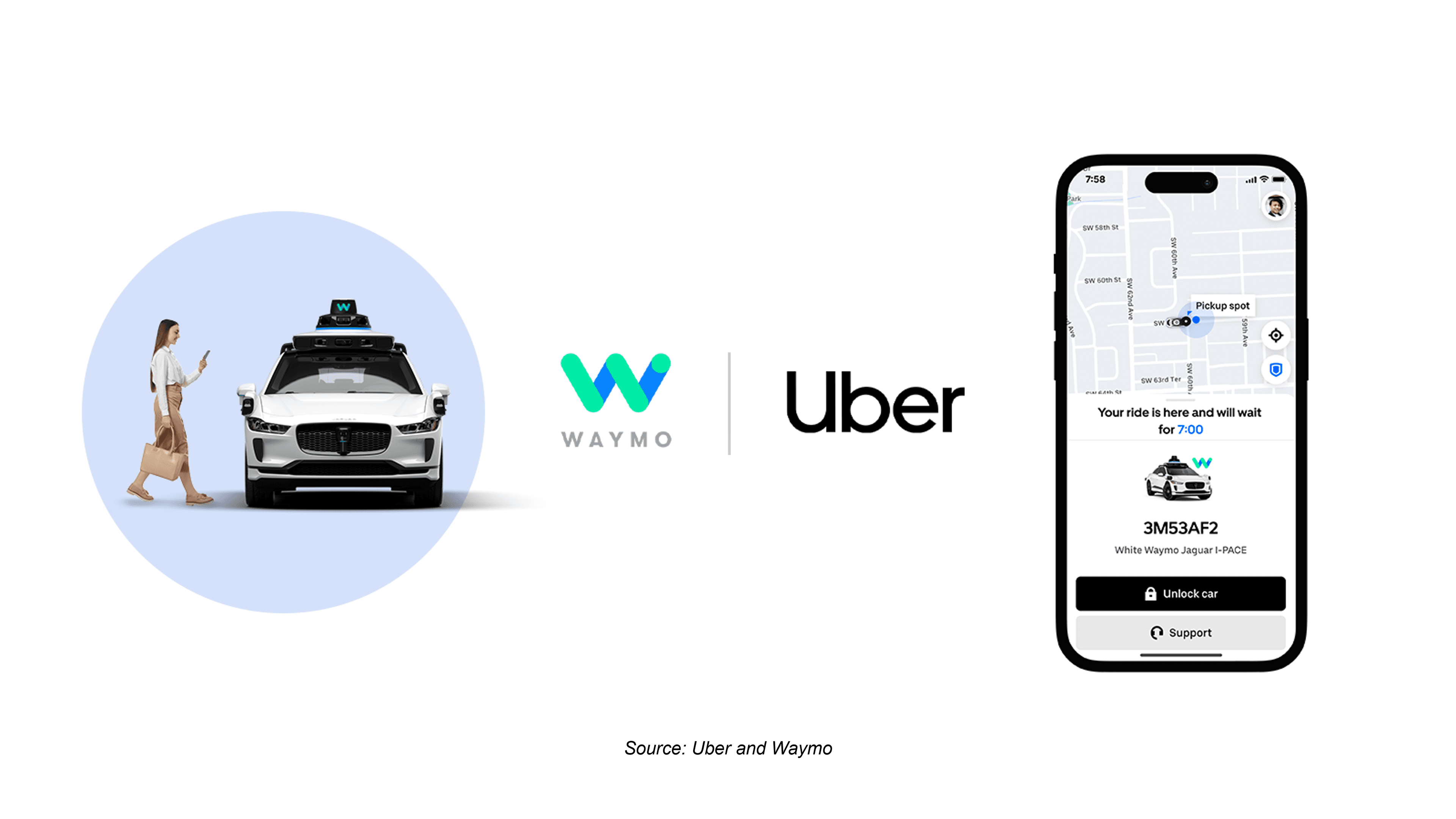
In a landmark development for autonomous mobility, Waymo disclosed a $16 billion investment round on February 2, 2026, lifting its post-money valuation to about $126 billion. Alphabet will remain the majority investor, with the funding round led by Dragoneer Investment Group, DST Global, and Sequoia Capital, and participation from a broad roster of strategic and growth investors. The news reverberated across the Bay Area and global technology markets, signaling a shift from experimental pilots to scaled operations for one of the sector’s most visible autonomous-vehicle platforms. For readers of the SF Bay Area Times, this event is not just a headline—it is a signal about capital markets’ continued confidence in AI-enabled mobility and the Bay Area’s central role in funding and governing that transition. The which-and-why behind the move matters as much as the money itself, because the financing is framed as a launchpad for broader deployment across U.S. cities and international markets. This momentum—captured by the phrase Waymo funding surge February 2026 SF Bay Area—has immediate implications for local tech ecosystems, regulatory dialogue, and public road use. (bloomberg.com)
Waymo’s public communications align with a broader narrative about moving autonomous mobility from proof-of-concept to scale. Waymo’s blog publicly confirms a $16 billion investment round valuing the company at $126 billion post-money, with Alphabet continuing as the majority investor. The round was led by Dragoneer Investment Group, DST Global, and Sequoia Capital, and included meaningful participation from Andreessen Horowitz, Mubadala Capital, and a host of other notable investors. Independent coverage from outlets such as Bloomberg and TechCrunch reinforces the scale and strategic intent behind the financing, including global expansion goals and confidence in Waymo’s long-run business model. The Bay Area, as Waymo’s home base and a hub of AI infrastructure, is positioned to benefit from heightened capital activity, talent concentration, and accelerated deployment timelines. (waymo.com)
The investor roster is widely described as a who’s who of global growth capital and strategic technology backers. In addition to Alphabet’s continued backing, the round saw leadership from Dragoneer, DST Global, and Sequoia, with additional participation from Andreessen Horowitz and Mubadala Capital, among others. Sequoia Capital’s public note tied to the investment emphasizes the belief that autonomous mobility has reached a scale-inflection point, reinforcing the Bay Area’s prominence as a cradle for AI-enabled platforms. This broad coalition of backers sends a signal to other Bay Area firms about the velocity and legitimacy of large-scale mobility platforms that blend software, data, and hardware at scale. (sequoiacap.com)
Geographically, Waymo outlined aggressive growth targets for 2026, including deployment of the Waymo Driver to more than 20 additional cities in the United States and international expansion to markets such as London and Tokyo. Waymo’s public messaging frames 2026 as a year of rapid expansion, with the company citing a multi-city domestic roll-out paired with international launches as central to its growth plan. Coverage from Bloomberg, TechCrunch, and Forbes highlights the international dimension of the strategy, while Waymo’s own blog provides the official articulation of these milestones. The expansion narrative underscores the Bay Area’s role not only as a base of operations but as a staging ground for nationwide and global scale. (bloomberg.com)
What Happened
Funding Details and Timeline
-
February 2, 2026: Waymo announced a $16 billion investment round, valued at $126 billion post-money. Alphabet will remain the dominant investor, and the round was led by Dragoneer Investment Group, DST Global, and Sequoia Capital. Participating investors include Andreessen Horowitz, Mubadala Capital, and a broad group of other major technology and growth investors. This announcement, corroborated by Waymo and major financial outlets, marks one of the largest private rounds in autonomous-vehicle history. (waymo.com)
-
The deal’s official framing positions Waymo for a broad, multi-city expansion across the United States and a push into foreign markets, with the blog post emphasizing the growth trajectory and the capital to accelerate scaling. The emphasis on safety, reliability, and a production-focused path from pilot programs to large-scale operations features prominently in Waymo’s communications and the subsequent media coverage. (waymo.com)
Investor Roster and Strategic Intent
-
Leading the round were Dragoneer Investment Group, DST Global, and Sequoia Capital, with Alphabet maintaining majority ownership. Other notable participants include Andreessen Horowitz, Mubadala Capital, Bessemer Venture Partners, Silver Lake, Tiger Global, T. Rowe Price, CapitalG, Fidelity Management & Research Company, GV, Kleiner Perkins, Temasek, and several additional strategic investors. The breadth of the roster signals a broad base of support for Waymo’s scale ambitions and cross-market deployment plan. (waymo.com)
-
Sequoia Capital, in particular, framed the investment as a milestone for the broader mobility and AI infrastructure landscape, underscoring the potential for autonomous mobility to reshape urban life and the transportation stack. This sentiment is echoed in Sequoia’s public remarks and in coverage from multiple outlets. (sequoiacap.com)
Geographic Scope and Growth Plans
-
Waymo’s rollout plan for 2026 includes bringing the Waymo Driver to more than 20 additional U.S. cities and initiating or expanding international operations in markets such as London and Tokyo. Waymo’s blog and corroborating reporting paint a picture of aggressive geographic expansion aimed at building scale, improving safety metrics through large-scale data collection, and enhancing rider experience across a diversified regulatory landscape. (waymo.com)
-
Media coverage from The Guardian and Bloomberg further corroborates the international expansion arc, noting the company’s emphasis on safety metrics, regulatory alignment, and the need to adapt the platform to diverse urban environments. The Guardian also frames the round as part of a broader push to accelerate robotaxi adoption globally, with London and Tokyo among the targeted markets. (theguardian.com)
Why It Matters
Implications for the SF Bay Area Tech Ecosystem
-
The Waymo funding surge February 2026 SF Bay Area event is widely interpreted as a validation of San Francisco’s central role in AI hardware-software ecosystems. With Waymo’s headquarters in the Bay Area and the region’s dense network of venture capital, talent, and compute infrastructure, the round reinforces the Bay Area as a premier hub for scalable autonomous mobility, robotics, and AI infrastructure development. Analysts and policymakers will be watching how the funds translate into local partnerships, regulatory collaboration, and investments in compute-ready facilities. (bloomberg.com)
-
The immediate market signal is that AI-enabled mobility is entering a new phase of capital-intensive growth. The round’s size and the caliber of participating investors may influence broader capital allocation decisions in the Bay Area, potentially accelerating funding for adjacent AI infrastructure companies, robotics hardware developers, and AI safety research initiatives. This is consistent with coverage across Bloomberg and Forbes, which describe a shift toward scaling, global deployment, and a production-focused mindset. (bloomberg.com)
Safety, Regulation, and Public Perception
-
Waymo’s leadership has consistently framed safety as a core differentiator and governance signal. The company has highlighted safety milestones—such as a substantial reduction in serious injury crashes relative to human driving—across hundreds of millions of autonomous miles. The investment round is thus positioned not only as capital for growth but as a mechanism to accelerate safety performance, regulatory engagement, and public trust as Waymo scales. The Waymo blog emphasizes this safety foundation as essential to its broader expansion, a point echoed in major coverage. >“This milestone is built on a foundation of safety that is now statistically superior to human driving.” (waymo.com)
-
Regulators in multiple jurisdictions will likely scrutinize deployment timelines, safety disclosures, and incident reporting as Waymo expands. The combination of a high-visibility investment and a rapid expansion plan places safety governance and regulatory compliance at the center of the near-term roadmap. The Guardian’s reporting and Bloomberg’s coverage both highlight the regulatory dimension of scaling autonomous services in diverse urban contexts. (theguardian.com)
Competitive Landscape and Market Dynamics
-
The funding round signals a continued leadership position for Waymo in the autonomous-mobility space, even as competitors advance in parallel. TechCrunch and Forbes frame Waymo’s expansion as a strategic push to deploy in more cities and to accelerate international growth, while rival efforts from Cruise, Tesla, and other players remain focused on testing and market-entry experiments. The round’s scale and the breadth of investors increase the pressure on peers to demonstrate comparable scale, safety, and regulatory readiness. (techcrunch.com)
-
The international expansion to markets like London and Tokyo suggests a multi-regional approach to regulation, labor markets, and urban planning. The global capital backing for Waymo reinforces the notion that autonomous mobility has moved beyond a domestic venture into a globally scaled industry, a trend reflected in coverage from Bloomberg, The Guardian, and Forbes. (bloomberg.com)
What’s Next
Near-Term Milestones for 2026
-
Waymo’s February round sets a clear near-term cadence: accelerate fleet growth and rider volume, expand the Waymo Driver network to 20+ additional U.S. cities, and begin international deployments in London and Tokyo. Public documents from Waymo outline a path to more aggressive city-by-city launches, with a production-focused emphasis on safety, reliability, and regulatory collaboration. The company reported achieving substantial ride-volume growth in 2025 and has targeted further expansion in 2026. (waymo.com)
-
Resident coverage in major outlets highlights a practical expectation: more weekly rides, more partner deployments (including potential collaborations with local transit authorities and airports), and a push to scale infrastructure to support a larger autonomous fleet. Observers anticipate a wave of city agreements, data-sharing commitments, and safety-performance disclosures as Waymo increases its geographic footprint. (techcrunch.com)
Longer-Term Watch Points
-
The multi-city, multi-market strategy raises questions about regulatory harmonization, data governance, and the economics of scaling robotaxi fleets. Analysts and policymakers will be evaluating how Waymo translates safety metrics into scalable operations, how regulatory regimes adapt to large deployments, and what workforce implications arise from expanded autonomous mobility platforms. The Guardian and Bloomberg emphasize the broader mobility and urban-planning implications of such capital-intensive expansion, including potential shifts in how cities plan for transportation, parking, and public transit integration. (theguardian.com)
-
The financial backdrop — a large, diversified investor syndicate backing Waymo — also invites scrutiny of corporate governance, potential strategic partnerships, and the long-term profitability path for autonomous mobility companies. As the industry matures, investors and incumbents will be watching for progress in safety metrics, unit economics, and the ability to convert high user volumes into sustainable margins. Forbes, Bloomberg, and TechCrunch each underscore the fundamental tension between rapid scale and financial discipline in a capital-intensive, safety-sensitive domain. (forbes.com)
Closing
The Waymo funding surge February 2026 SF Bay Area milestone marks a pivotal moment for autonomous mobility and the broader AI infrastructure economy. By securing $16 billion in a round led by Dragoneer, DST Global, and Sequoia Capital, with Alphabet maintaining majority ownership, Waymo is positioned to accelerate deployment in more cities worldwide while continuing to emphasize safety and regulatory readiness. The Bay Area’s tech ecosystem, with its depth of talent, capital, and policy dialogue, stands to gain from the scale-up—yet the path will require careful navigation of safety disclosures, local regulatory agreements, and community engagement as Waymo Driver expands into new urban landscapes. As this story unfolds, readers should expect a steady stream of updates on city-by-city launches, partnerships with public and private sector stakeholders, and more detailed safety performance data as Waymo moves toward its strategic 2026 milestones. Stay tuned to ongoing coverage from global and local outlets, including Waymo’s official updates, as the company advances its multi-city, multi-market vision.
To stay updated on Waymo’s global growth, regulatory developments, and rider experiences, follow Waymo’s blog, major business outlets, and your local technology desks for timely analyses and data-driven perspectives. The next several quarters will reveal how this financing translates into real-world mobility, safety improvements, and city-scale impact.