
Caltrain Electrification Changes Bay Area Commutes
Neutral, data-driven analysis of how Caltrain's electrification corridor is transforming and impacting everyday Bay Area commuting experiences.
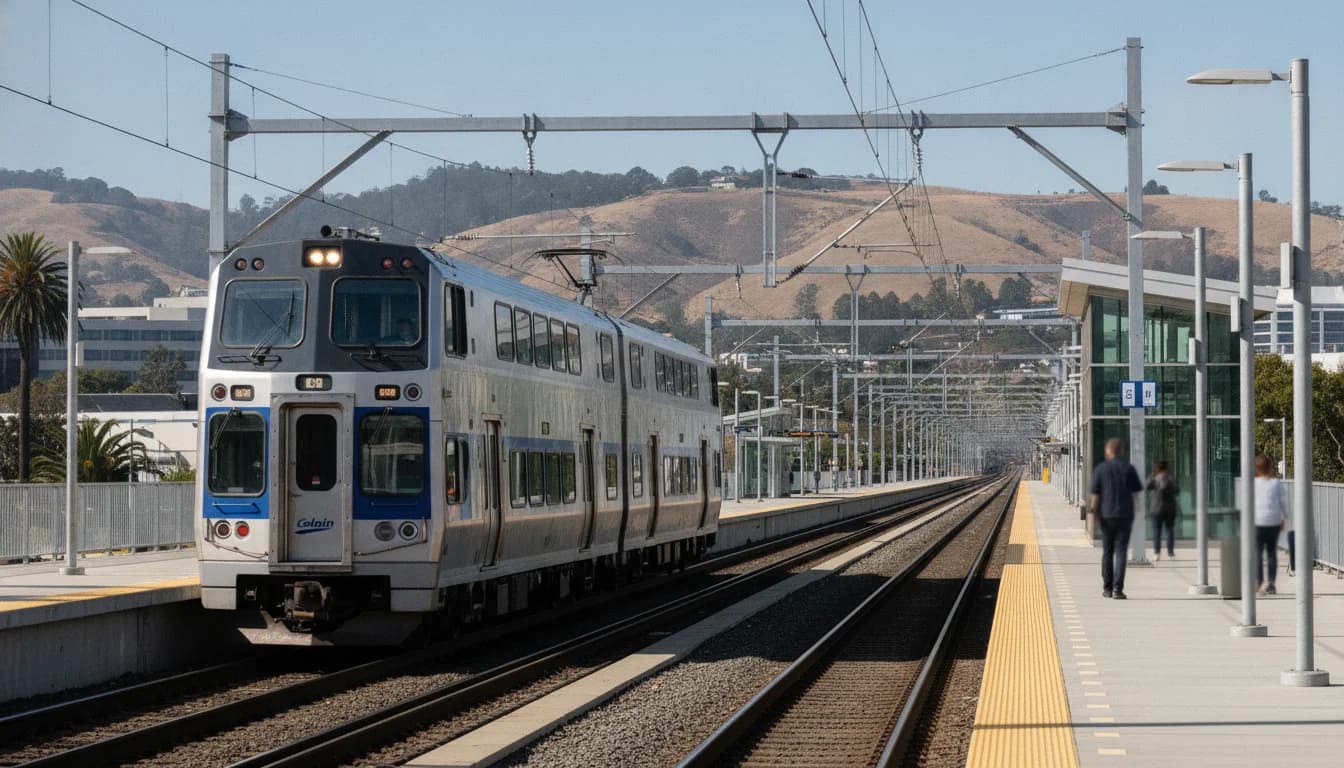
The Caltrain electrification corridor represents a turning point for transportation on the San Francisco Peninsula, and its reach now extends across the 51-mile stretch from San Francisco’s 4th and King Station to San Jose Tamien. In late 2024, Caltrain inaugurated electrified service along the corridor, moving away from diesel propulsion and toward a high-performance electric fleet that promises faster trips, more frequent trains, and lower emissions for Bay Area commuters. This transition, part of the agency’s broader CalMod modernization program, is not just a technology upgrade; it is a signal about how the Bay Area plans to meet growing mobility demand while pursuing climate goals and regional resilience. The electrification corridor has been a centerpiece of public transportation planning for years, and the latest service changes mark more than a tactical improvement—they represent a new operating regime for one of the region’s busiest commuter routes. (caltrain.com)
As officials emphasize, the move to electric traction is aimed at delivering a faster, more reliable, and more sustainable commute for tens of thousands of Bay Area riders each weekday. With the full corridor energized and tested, Caltrain’s electric trains now operate along the entire 51 miles between San Francisco and San Jose, reducing travel times on key trips and expanding weekend service. The project, which began construction in July 2017, culminated in a milestone energization of the full corridor in April 2024, followed by the launch of electrified revenue service later that year. The result is a depreciation in diesel dependence and a forward-looking platform for potential High-Speed Rail integration along the Peninsula corridor. (caltrain.com)
Section 1: What Happened
Timeline of Ambition and Action
Start of Construction and Scope
Construction for the Peninsula Corridor Electrification Project began in July 2017, marking the physical start of a multi-year modernization effort. This phase involved building the overhead contact system, upgrading traction substations, and implementing the signaling and control improvements required to support electric trains along the Caltrain corridor. Caltrain’s official project materials describe the scope as electrifying the corridor from the 4th and King Caltrain Station in San Francisco to the Tamien Station in San Jose, with the broader aim of replacing diesel trains with high-performance electric trains and expanding peak-hour capacity. (caltrain.com)
Energization Milestone: The Full 51-Mile Corridor
A major milestone occurred on April 9, 2024, when Caltrain, in collaboration with its contractors and utility partners, energized and tested the full 51-mile corridor between San Francisco and San Jose. This energization laid the groundwork for high-speed testing and service readiness across the entire electrified stretch, a necessary precursor to the revenue service launch planned for later that year. The milestone underscored the project’s scale and the coordination required among Caltrain, PG&E, and contractor teams. (caltrain.com)
Revenue Service Launch: Fully Electrified Operations
On September 21, 2024, Caltrain launched fully electrified revenue service along the corridor, converting the San Francisco–San Jose run from diesel to electric. The agency announced a new schedule featuring more frequent trains, faster travel times, and a first-class onboard experience on electric trains. The transition represented the first major diesel-to-electric conversion in North America in a generation and was supported by new Stadler-built electric trainsets. The new service promised faster, more frequent travel with station-by-station improvements, including Wi‑Fi, power outlets, and updated onboard technology. (caltrain.com)
Operational Details of the Electrified Fleet
Caltrain’s electrified fleet operates with seven-car trainsets, offering faster acceleration and deceleration to support more frequent stops within the same travel window. The electrification project also includes new onboard amenities and a quieter operating profile relative to diesel power, a consequence of the electric propulsion and advanced system design. Diesel trains may still operate in certain maintenance or emergency scenarios, and freight movements continue on the corridor, but the electrified service forms the backbone of the current operation. (caltrain.com)
Technical Foundations: The Corridor, the System, and the Rules
Corridor Length, Endpoints, and Integration
The electrified corridor spans 51 miles and connects pivotal Bay Area nodes, running from San Francisco’s 4th and King Station through the Peninsula to Tamien in San Jose. The project’s environmental and technical documents specify electrification to Tamien, with a mixed fleet operating south of Tamien as portions of the line beyond that point are owned by Union Pacific and not part of the electrification scope. This design decision created a practical boundary for electrification within the current project, while still enabling significant service enhancements across the majority of the Peninsula corridor. (caltrain.com)
Electrical System: The 25 kV AC Overhead Contact System
Caltrain’s electrification uses a standard 25 kV AC overhead contact system (OCS) design, a widely deployed configuration for modern rail electrification in North America and Europe. The FAQ from Caltrain confirms the design choice and its relevance to both current operations and future growth, including the potential for higher-speed and higher-capacity service along the corridor. This design choice underpins the performance gains and energy efficiency of electric trains on the Peninsula corridor. (caltrain.com)
Power Infrastructure: Substations and Transmission Upgrades
The energization milestone involved substantial utility and contractor work, including the construction and upgrade of traction power substations and related transmission connections. PG&E upgraded multiple substations and installed dedicated transmission connections to feed the electrified trains, ensuring redundant feeds and robust power supply for routine service, speed testing, and peak-demand operation. The collaborative work between Caltrain, PG&E, and Balfour Beatty was central to delivering reliable electric traction along the full corridor. (caltrain.com)
The Electrification Milestone and Future Readiness
Caltrain officials have framed electrification as a foundation for future growth, with the project seen as a critical step toward Caltrain’s Service Vision and the potential integration with California’s High-Speed Rail network in the future. The electrification corridor is not an isolated upgrade; it is a strategic platform enabling higher-frequency service, improved reliability, and a potential path to faster regional and statewide rail connectivity. (caltrain.com)
What Happened: Key Facts, Timelines, and Milestones
- July 2017: Construction begins on the Peninsula Corridor Electrification Project, initiating the transition from diesel to electric traction along the corridor. (caltrain.com)
- April 9, 2024: Caltrain, in collaboration with PG&E and Balfour Beatty, completes energization and testing of the full 51-mile corridor between San Francisco and San Jose. This milestone marks the corridor-wide readiness to test electric trains at full speed and paves the way for later revenue service. (caltrain.com)
- September 21, 2024: Caltrain launches fully electrified revenue service along the corridor from San Francisco to San Jose, powered by electric trains with improved speed, frequency, and rider amenities. The agency highlights a faster and more frequent schedule, and a partially renewable energy mix for operations in the early phase of electrified service. (caltrain.com)
- Endpoints and scope: The electrification project covers the 51-mile stretch from the 4th and King Station in San Francisco to Tamien Station in San Jose, with diesel service still continuing beyond Tamien toward Gilroy due to ownership and right-of-way considerations. This boundary reflects a practical approach to delivering electrified service where feasible within the corridor. (caltrain.com)
- System design: The electrification uses a 25 kV AC overhead contact system, a standard and proven configuration for modern rail electrification, enabling efficient high-speed traction and integration with future network improvements. (caltrain.com)
- Fleet and service: The first fully electric trains began operation with 7-car configurations, offering enhanced onboard amenities such as Wi-Fi, power outlets, digital displays, and improved climate control, all contributing to a superior rider experience along the corridor. (caltrain.com)
Section 2: Why It Matters
Impact on Riders, the Environment, and the Region
Travel Time and Frequency Gains
With electrified operations across the corridor, Caltrain introduced a new schedule that delivers faster trips and more frequent service. The electrified fleet’s improved acceleration and deceleration, combined with longer-car formations, enables more trains to serve the same set of stations and reduces travel times on several of the corridor’s most traveled trips. The new service pattern includes frequent peak-hour trains, weekend service enhancements, and express options that shorten overall journey times for many riders. These operational changes directly influence daily commute choices and can drive mode shift away from congested highways. (caltrain.com)
Noise and Air Quality Improvements
Electric propulsion typically reduces on-train emissions and noise, benefiting communities adjacent to the corridor and improving the regional environmental profile of Bay Area transit. Caltrain has highlighted the environmental benefits of electrification, including lower greenhouse gas emissions and reduced local air pollution, even when accounting for electricity generation. The electrification corridor thus advances regional climate action goals while improving neighborhood livability along the rail lines. (caltrain.com)
Economic Impacts: Jobs and Local Value
The electrification project has demonstrated an important economic dimension: job creation across the supply chain and construction activities that extend beyond California. Caltrain and partner statements emphasize that electrification creates manufacturing and construction opportunities nationwide, with spillover effects through supplier pipelines and local hiring. The project’s vendor ecosystem and ongoing maintenance operations contribute to regional economic activity, supporting a broader shift toward modern, electrified rail economies. (caltrain.com)
Equity and Community Benefits
A core objective of electrification is to enhance equity by providing more reliable, accessible transit options across the corridor and reducing noise and pollution exposure near dense neighborhoods. Caltrain’s communications emphasize the broader equity implications of electrified service, including improved station access, more uniform service across the region, and a heightened focus on rider experience and safety. The electrification corridor thus aligns with both climate and equity goals within the Bay Area’s transportation planning framework. (caltrain.com)
Technical and Operational Readiness: A Model for Modern Rail
The Caltrain electrification corridor demonstrates how a large-scale modernization project can be completed in stages with rigorous testing and safety oversight. Energization milestones, traction power upgrades, and the introduction of new rolling stock underscore the importance of integrated project management, cross-agency coordination, and public communication in delivering complex rail infrastructure projects. As the corridor matured toward electrified revenue service, the project provided a blueprint for other regions pursuing similar transitions. (caltrain.com)
Section 3: What’s Next
Near-Term Developments and Long-Term Ambitions
Service Vision and Path to Gilroy
Caltrain’s electrification corridor is not the final word in Bay Area rail modernization. The agency’s Service Vision outlines longer-term goals, including the potential extension of electrified service toward Gilroy in the longer term, and the integration of future transportation modes and networks. While the current Electrification Project endpoints are San Francisco to Tamien, the broader vision contemplates a more expansive electric network that could eventually connect Downtown San Francisco with Gilroy, depending on funding, right-of-way arrangements, and coordination with broader regional rail initiatives. The current project sets the technical and operational groundwork for that future growth. (caltrain.com)
High-Speed Rail Context: The Corridor as a Foundation
The electrified Peninsula corridor provides a critical backbone for California’s broader rail strategy, including the potential for high-speed rail integration along the route. Caltrain’s electrification and the resulting traction power and signaling upgrades create transport-ready segments capable of accommodating higher-speed operations and interconnections with future high-speed rail services. The “framework for California’s future High Speed Rail network” language appears in Caltrain materials describing how electrification supports more ambitious mobility goals, including regional and statewide connectivity improvements. (caltrain.com)
Ongoing Improvements and Public Engagement
Even after electrified service began, Caltrain has maintained an active program of public engagement, community briefings, and media outreach to inform riders and residents about safety, schedule changes, and system performance. The project’s ongoing updates reflect a sustained commitment to transparency as the corridor continues to evolve under electrified operations, with riders urged to sign up for updates and follow the project’s progress through official channels. (caltrain.com)
What to Watch: Operational Milestones and Performance Metrics
Looking ahead, industry observers will watch several indicators to gauge the corridor’s performance and the broader impact of electrification. Key metrics include on-time performance, average travel times on peak trips, weekend service frequencies, and the rate of ridership growth in the post-electrification era. Caltrain’s public disclosures and annual performance reports typically provide these data points, while independent observers may analyze the corridor’s integration with other Bay Area transit services and potential High-Speed Rail connections. The electrification corridor’s ongoing evolution will likely be shaped by funding decisions, maintenance needs, and continued integration with regional planning efforts. (caltrain.com)
Closing
As the SF Bay Area Times reports, the Caltrain electrification corridor marks a meaningful inflection point for regional mobility. The shift to electric traction across the peninsula’s backbone rail corridor is not merely a technical upgrade; it signals a commitments-based approach to reducing congestion, cutting emissions, and delivering higher-quality transit for a diverse and growing Bay Area population. The electrified service that began in late 2024 has begun to reshape commuting patterns, with riders benefiting from faster trips, more frequent trains, and a quieter travel environment for communities near the tracks. The corridor’s transformation also positions the region to pursue more ambitious rail goals in the decades ahead, including potential high-speed integration and an expanded electrified network that connects Downtown San Francisco with Gilroy and beyond. For readers following Bay Area transport developments, the Caltrain electrification corridor remains a central story in how the region translates vision into daily mobility and long-term climate resilience. Riders and stakeholders should stay tuned to Caltrain’s official updates as the system continues to evolve and expand its electrified footprint along the Peninsula. (caltrain.com)