
Candlestick Point Redevelopment Groundbreaking Begins in SF
A data-driven report on the Candlestick Point redevelopment groundbreaking, its scale, and implications for SF Bay Area markets.
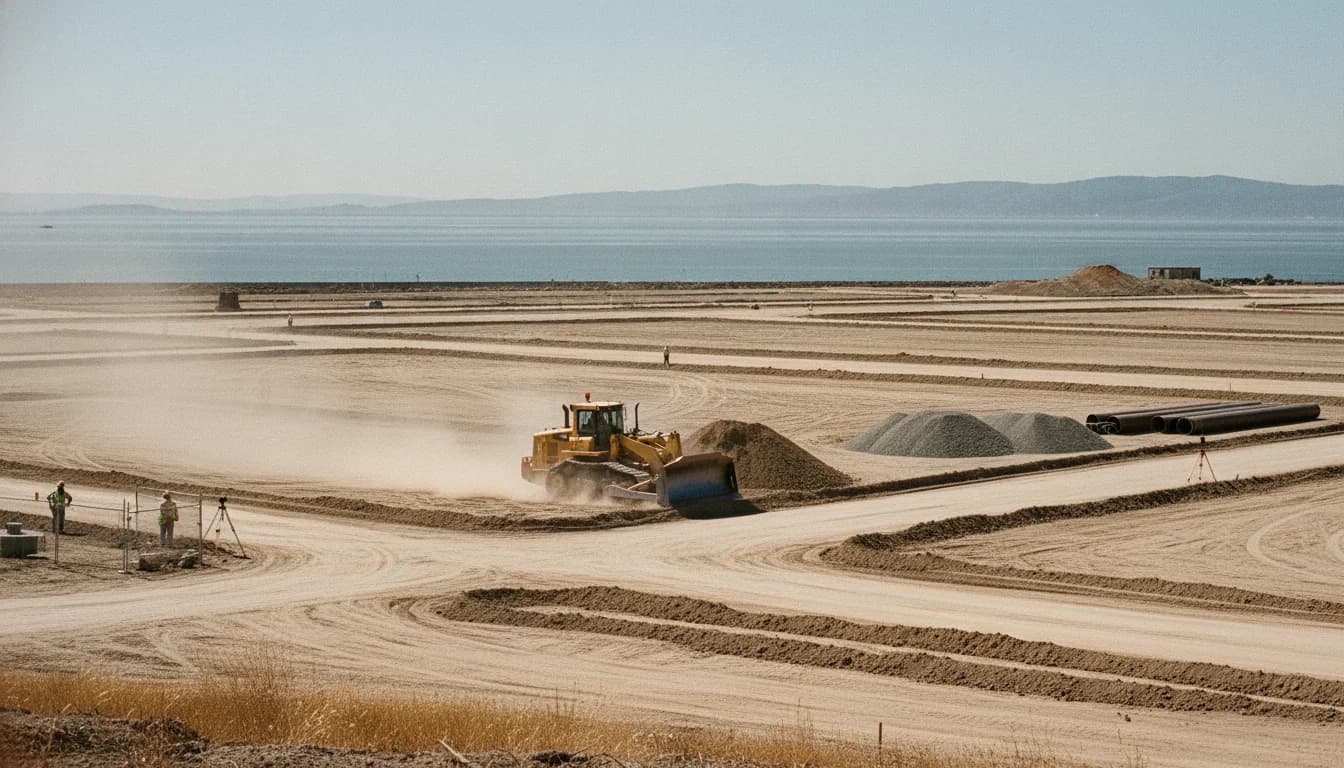
San Francisco hosted a milestone moment in urban planning and housing policy on September 9, 2026, when the Candlestick Point redevelopment groundbreaking occurred at the former Candlestick Park site in Bayview-Hunters Point. The event brought together city leaders, community advocates, and private developers to mark a new chapter for a site that has long symbolized stalled megaprojects and complex environmental legacies. The ceremony took place amid a suite of infrastructure preparations that are expected to lay the groundwork for a large, multi-decade transformation of the neighborhood. The moment was framed as both a reset and a test of San Francisco’s ability to translate ambitious housing and economic goals into tangible construction activity on the ground. The day’s symbolism extended beyond mere shovel-ready symbolism: it was the city’s first explicit step toward delivering the promised 7,200 homes and a sizable mixed-use program on Candlestick Point after more than a decade of delays. (cbsnews.com)
On September 9, 2026, Mayor Daniel Lurie broke ground on Candlestick Point redevelopment, a 270-acre project delivering 7,200 homes and a 2.8 million-square-foot innovation district, according to SF.gov. The ceremony drew a broad roster of public officials and community leaders, including Host Speaker Emerita Nancy Pelosi and former Mayor Willie Brown, underscoring the project’s status as a long-running municipal priority. The event was not only a ceremonial moment but also a practical signal that the city’s long-range growth plan for the southeastern waterfront could move from planning and approvals into actual site work and utility upgrades. This aligns with the city’s broader housing and infrastructure ambitions and reflects a deliberate decoupling of Candlestick Point from the adjacent Hunters Point Shipyard project, a step that many observers had argued was necessary to unlock timely progress. (cbsnews.com)
The significance of the Candlestick Point redevelopment groundbreaking extends beyond the headline figures. In recent years, the Bayview-Hunters Point neighborhood has been the locus of intense policy scrutiny around equitable development, environmental remediation, and the distribution of community benefits. The groundbreaking thus represents not only a construction milestone but also a test of whether San Francisco’s post-pandemic economic rebound can be translated into inclusive housing and accessible waterfront amenities. While the moment is celebratory for many residents eager for new homes and jobs, it also arrives amid ongoing conversations about environmental cleanup and the governance structures that will oversee the phased build-out. Those dynamics are part of the broader narrative, as city officials emphasize that the Candlestick Point program will unfold in phases designed to maximize local hiring and sustainable growth while protecting community interests. (sfchronicle.com)
What Happened
Groundbreaking ceremony details
The Candlestick Point redevelopment groundbreaking took place at the Candlestick Point site, signaling the start of the infrastructure work that will underpin the full master plan. The event was characterized by a political and community-forward agenda, with remarks from city leaders and remarks highlighting the project’s long trajectory and potential benefits. The initial phase is described as infrastructure-centric, building the foundations for later residential blocks, parks, and commercial spaces. The ceremony also highlighted the project’s broader scope, including an anticipated mix of housing, parks, a hotel, and a significant office component that would shape the Bayview waterfront for years to come. The site, which sits on a 270-acre parcel just southeast of the city, will host the first blocks of development, with attention to public access and waterfront amenities that local officials say are integral to the plan. (cbsnews.com)
Timeline and approvals
The Candlestick Point project has a long history of approvals, revisions, and pauses, culminating in a critical milestone earlier in 2026. On June 16, 2026, San Francisco’s Board of Supervisors formally approved the Final Map No. 12681 for Candlestick Point Major Phase 2, effectively delineating 50 lots and paving the way for phased development by the master developer. This zoning and mapping step was widely viewed as a prerequisite to begin site work and utility installations that would support first-phase construction. The official Legistar record for Final Map No. 12681 confirms the board’s action, underscoring the city’s move from planning to the actual construction sequence. (sfgov.legistar.com)
Project scope and first-phase specifics
In the first phase of Candlestick Point redevelopment, infrastructure work is expected to support seven blocks of development, including seven blocks of housing and a commercial component. The initial footprint is designed to yield approximately 700 housing units, of which a substantial portion is planned to be affordable, and a 350,000-square-foot office building. This early groundwork is envisioned to anchor the broader master plan, which would ultimately deliver 7,200 homes and a much larger office footprint across the entire 270-acre site. The early-phase numbers—700 homes and 350,000 square feet of office—reflect the modular, phased approach that city and developer officials have emphasized as key to keeping the project financially viable while delivering tangible neighborhood benefits in a shorter horizon. In parallel, the full project is described as a long-term development effort that would ultimately total some 7,200 homes and several million square feet of office and innovation space. (sfchronicle.com)
A snapshot of the broader vision
Taken together, the groundbreaking marks the moment when the Candlestick Point redevelopment plan transitions from a long timeline of approvals to actual construction activity. The city’s projections for the longer arc include a significant office and innovation district along with parks, waterfront access, and commercial amenities designed to catalyze local employment and drive economic activity in the Bayview. Analysts and local observers are watching to see how the project’s pace aligns with housing needs in San Francisco, the city’s environmental stewardship commitments, and the neighborhood’s aspirations for lasting community benefits. The event’s framing around 7,200 homes and a multi-million-square-foot office and innovation district makes it one of the city’s most consequential redevelopment efforts in the current decade. (cbsnews.com)
The announcement and the numbers in context
As a matter of record, the Candlestick Point project is designed to be built in multiple phases, with the first stage focusing on backbone infrastructure and a defined number of housing units and office space, followed by subsequent blocks of residential and mixed-use development. Industry observers have noted that the phased approach is common for large waterfront districts, particularly when environmental remediation, permitting, and financing considerations intersect with market dynamics. The city’s own planning documents and recent public statements emphasize a continued commitment to community benefits and local hiring, even as construction progresses. The groundbreaking thus serves not only as a momentum moment but also as a point of reference for subsequent milestones, including the delivery of affordable housing units and the realization of the Bayview waterfront’s long-standing redevelopment promise. (sfchronicle.com)
Why It Matters
Housing and community benefits
The Candlestick Point redevelopment is, at its core, a housing-centric effort intended to address San Francisco’s urgent housing needs while preserving and expanding the city’s waterfront assets. The first phase’s 700 housing units, with a substantial share set aside as affordable, aim to address the Bayview area’s long-standing housing affordability challenge. The project’s scale—ultimately 7,200 homes—speaks to a major shift in the city’s housing strategy, with implications for nearby districts and the city’s overall housing stock. The initial plan to include a significant affordable housing component aligns with broader city policy goals to advance equitable development and reduce displacement pressure in historically underinvested neighborhoods. The numbers tied to the first phase, including the 700 housing units (with a defined affordable portion) and 350,000 square feet of office, anchor the immediate impact and potential for mixed-income neighborhoods that blend living, working, and open space. (sfchronicle.com)
Economic development and regional impact
The Candlestick Point redevelopment is not solely about homes; it envisions a substantial economic engine that could reshape the Bayview’s employment landscape. The project’s long-term scope includes a large office footprint and an innovation district designed to attract research, technology, and professional services tenants. The broader vision of a 2.8 million-square-foot office and innovation district component signals a potential uplift in local tax base, contractor activity, and long-run job creation. Analysts have noted that large waterfront megaprojects can catalyze ancillary development, such as retail, hospitality, and small business opportunities that ripple through the surrounding neighborhoods. The groundbreaking marks a turning point in this long-running effort, even as the project’s actual economic impact will depend on market conditions, permitting timelines, and the effectiveness of local hiring and contracting commitments. (cbsnews.com)
Community voices and concerns
Community leaders have long weighed the Candlestick Point plan against environmental, social, and economic considerations. Veronica Hunnitt, chair of the Hunters Point Naval Shipyard Citizens Advisory Committee, reflected on the historical context and the potential for meaningful benefits, stating that Bayview families have waited for decades for the Candlestick project to translate promise into reality. While the groundbreaking is celebrated by many, the community’s vigilance about promised benefits, job opportunities, and equitable access remains central to any future milestones. The event’s attendance by figures such as Pelosi and Willie Brown underscored the broader political attention, but it also highlighted the need for ongoing governance and accountability as development proceeds. The environmental remediation context, including past concerns around the Hunters Point Shipyard area, continues to influence how the city frames and manages risk and community benefit agreements. (sfchronicle.com)
Historical context and policy implications
Candlestick Point’s path to groundbreaking has been shaped by multiple policy decisions and governance changes over more than a decade. The 2024 Board of Supervisors vote to decouple Candlestick Point from the adjacent shipyard development was a pivotal turning point, enabling Candlestick Point to advance on a more focused track while addressing environmental and financing challenges that had previously slowed progress. The changes also reflect a broader pattern in San Francisco of recalibrating large-scale megaprojects to align with city priorities, public input, and fiscal realities. The June 2026 board action and subsequent ground-breaking event illustrate how the city is attempting to translate long-term urban renewal ambitions into a practical build-out, even as environmental and market factors continue to shape the pace and phasing of construction. (sfgov.legistar.com)
What's Next
Construction timeline and milestones
With the Candlestick Point groundbreaking completed, construction activity is expected to begin with infrastructure work that sets the stage for the first phase’s housing and office development. The first phase includes approximately 700 housing units and a 350,000-square-foot office facility, with the Gateway building anticipated to start construction about 18 months after the commencement of infrastructure work, assuming permitting and market conditions cooperate. City officials and the developer have stressed that early work will focus on road improvements, utilities, drainage, and other backbone components that unlock further blocks for housing and commercial uses. The project’s phased approach means that the Bayview will begin to see visible changes gradually over the next several years, with continued focus on public spaces, parks, and waterfront access integrated into subsequent phases. (sfchronicle.com)
Financing, governance, and oversight
The Candlestick Point redevelopment is structured to involve multiple public and private actors, including the city’s OCII (Office of Community Investment and Infrastructure) and the master developer FivePoint. Governance will rely on a combination of development agreements, planned and phased public improvements, and ongoing oversight to ensure that community benefits and local hiring commitments are realized. The final map’s approval and the ongoing permitting process are essential levers for shifting from planning to construction, and city officials are likely to emphasize timely reporting on milestones, budgets, and community engagement throughout the build-out. The governance framework will be tested as the project progresses through the complex interplay of environmental remediation, financing cycles, and market conditions. (sfgov.legistar.com)
What to watch for in the coming months
Watch for the release of quarterly progress reports from OCII and FivePoint, updates on contractor bidding and procurement, and early infrastructure milestones such as road widening, utility upgrades, and major drainage work. Local residents and businesses will be looking for evidence of benefits promised by the plan, including local hiring, small business opportunities, and improvements to neighborhood infrastructure. Community groups will likely maintain a close watch on environmental safety assurances, long-term planning approvals, and the timeline for subsequent development phases. City reporters and analysts will track how well the project adheres to its initial schedule and whether the phased approach translates into visible housing and job opportunities within the forecast windows. (sfchronicle.com)
The broader context for San Francisco
Candlestick Point’s redevelopment sits at the intersection of housing policy, waterfront redevelopment, environmental remediation, and inclusive growth. The project is a case study in how a major urban renewal program navigates decades of planning, evolving market conditions, and community expectations. The groundbreaking thus becomes a data point for policymakers and practitioners assessing the viability of large-scale, mixed-use megaprojects in a high-cost urban environment. It also offers a lens into the city’s ability to leverage public-private partnerships to deliver on ambitious urban visions while maintaining a focus on equity, resilience, and long-term community benefits. The coming years will reveal how the Candlestick Point redevelopment’s phased strategy translates into measurable outcomes, including housing supply, job creation, and waterfront access for Bayview residents and visitors alike. (cbsnews.com)
Closing
The Candlestick Point redevelopment groundbreaking marks a forward-looking moment for San Francisco’s urban renewal agenda. While the path ahead includes environmental, financial, and logistical challenges, the event signals a commitment to turning a long-standing vision into a tangible neighborhood transformation. Readers in the Bay Area should expect ongoing updates as infrastructure work progresses, permits are issued for each phase, and the community continues to engage with developers and city agencies to ensure that the project fulfills its stated goals. The Bayview–Hunters Point area stands to benefit from a major housing and economic development program that could influence how San Francisco approaches waterfront renewal, inclusive growth, and the orchestration of complex public-private partnerships in the years to come. Stay tuned for the latest developments and official milestones as Candlestick Point evolves from plan to reality. (sfchronicle.com)