
Kenzo Estate Napa Tasting Room Opening
Kenzo Estate Napa tasting room opening data-driven analysis of its 2010 grand opening and its impact on Napa wine hospitality.
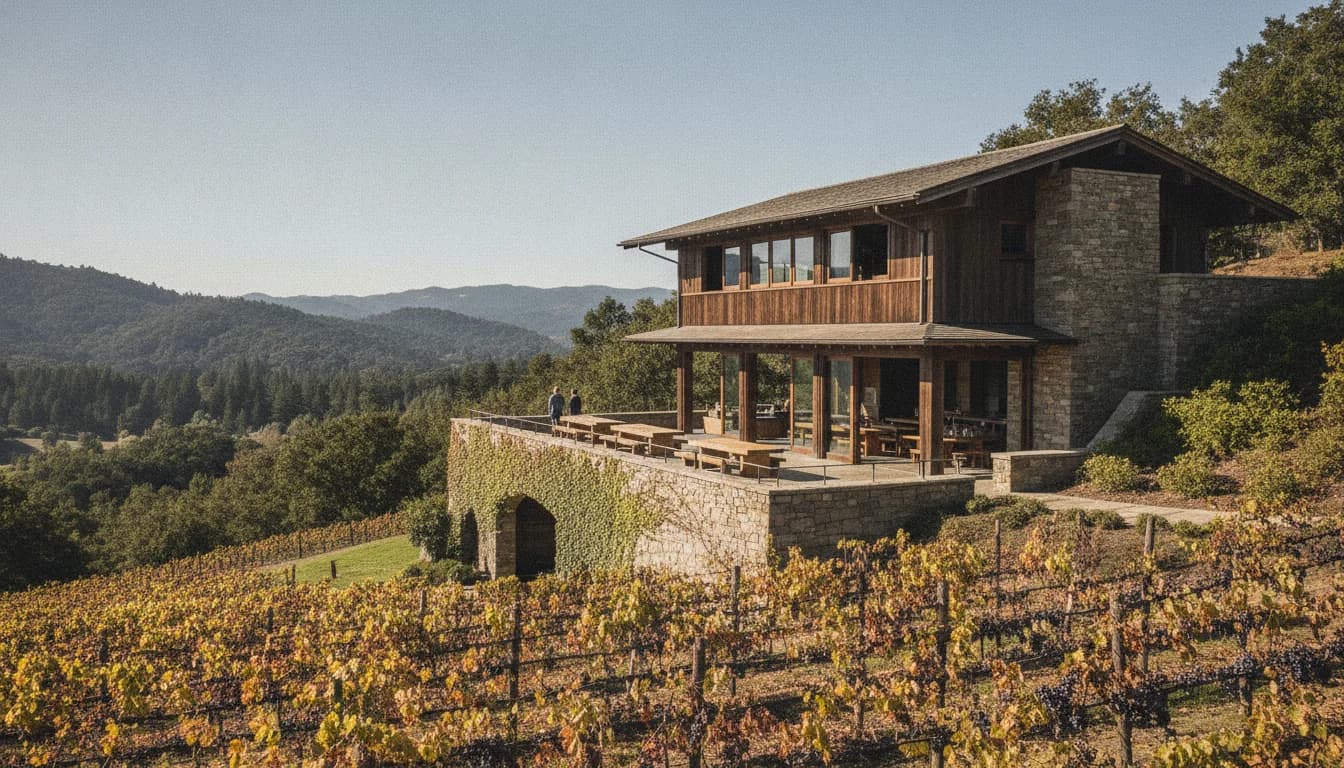
Kenzo Estate Napa tasting room opening occurred on July 1, 2010, according to Haute Living. This date marks the official grand opening of the Kenzo Estate tasting room and hospitality complex, a milestone that would help shape Napa Valley’s hospitality offerings for the decade that followed. The event is anchored in contemporary records that describe a world-class hospitality center built to complement the estate’s viticulture and winemaking program. The Kenzo Estate story emphasizes that the tasting room, completed in 2010, was designed to welcome visitors to a panoramic setting atop Mount George, with a spacious cave system and a high-touch hospitality experience that paired wine with food and culture. The estate’s own timeline confirms the same: the tasting room’s grand opening occurred in 2010, a moment that coincided with the debut of Kenzo’s wine portfolio and an expanded guest experience. This context helps explain why the Kenzo Estate Napa tasting room opening remains a benchmark for sensory-driven winery visits in the region. For readers tracing the exact day, Haute Living’s coverage nails July 1, 2010 as the official opening date, while the estate’s corporate history provides a corroborating frame for the event. [Haute Living, 2010] [Kenzo Estate history page, 2026 update].
The Napa Valley landscape around 2010 was a period of renewed emphasis on experiential hospitality, and Kenzo Estate’s tasting room opening was a deliberate articulation of that trend. The new facility not only expanded wine tastings but also introduced a broader hospitality program, including a tasting room design that integrated outdoor terraces with vineyard views and a cave network designed for aging and storage. In practical terms, the tasting room opening came with a 20,000-square-foot cave complex and a terraces-based tasting salon that could host guests in multiple settings, from vineyard-side patios to private terrace spaces. The public-facing announcement of the tasting room opening placed Kenzo Estate at the center of a hospitality-forward approach to wine country, combining vineyard immersion with curated food experiences and a distinct architectural language. The primary sources documenting these features include the company’s own history pages and contemporaneous press coverage, which together establish a clear narrative about the opening date, facilities, and initial guest offerings. [Kenzo Estate history page] [Haute Living, 2010].
Section 2: What Happened
Grand Opening Details
The Kenzo Estate Napa tasting room opening represents the moment when the estate publicly opened its hospitality wing to visitors, completing a key phase of the project that began long before. The official grand opening is described by the estate as having occurred in 2010, with the tasting room completed and opened to the public that year. This event is documented in the estate’s own historical timeline, which notes that the tasting room was completed and opened in 2010 and that Kenzo and Natsuko Tsujimoto welcomed friends and partners to commemorate the occasion. The event was part of a broader effort to bring the Kenzo Estate experience to life, including partnerships with renowned chefs and a curated wine portfolio that would later encompass multiple vintages and styles. The primary source for this fact is the Kenzo Estate history page, which explicitly states that the tasting room’s grand opening took place in 2010, and that the tasting room was completed and opened during that year. Additionally, contemporary reporting confirms the July 1 opening date as the public milestone, including coverage of the opening by Haute Living. The combination of the estate’s own timeline and the press account provides a robust, cross-checked account of the event. [Kenzo Estate history] [Haute Living, 2010].
Timeline of Milestones
- 1990: Capcom founder Kenzo Tsujimoto purchased the land that would become Kenzo Estate, marking the start of a long-term project to develop a hilltop wine estate in Napa Valley. The estate’s narrative emphasizes a multi-decade pursuit that culminated in a fully realized winery and hospitality complex. This early investment set the stage for milestones to come. Source: Kenzo Estate history page.
- 1998–1999: Vineyard development began with the first rootstocks planted in 1999, laying the foundation for a future portfolio of estate wines. The timeline notes the careful planning and planting that would shape the estate’s terroir and wine identity. Source: Kenzo Estate history page.
- 2001–2005: A series of viticultural developments and winemaking appointments defined the estate’s early winemaking identity, including collaboration with David Abreu and the recruitment of Heidi Barrett and later Helen Keplinger as consulting winemakers. These changes positioned Kenzo Estate to produce wines that would anchor the tasting room experience. Source: Kenzo Estate history page.
- 2009: Construction concluded on the state-of-the-art winery and production facilities, including 20,000 square feet of caves to support aging and production. This milestone completed the infrastructure needed to support a high-end hospitality program. Source: Kenzo Estate history page.
- 2010: The tasting room was completed and opened, signaling the formal introduction of guest experiences at Kenzo Estate. The grand opening is described in the estate’s narrative as a milestone event that brought the tasting room to life. A contemporaneous media account confirms the official opening date on July 1, 2010. Source: Kenzo Estate history page; Haute Living coverage.
- 2016: Kenzo Estate expanded its hospitality footprint with the launch of Kenzo Napa, a sister restaurant in downtown Napa, further integrating wine and food experiences for visitors. The restaurant’s presence broadened the Kenzo dining and tasting ecosystem beyond the hillside estate. Source: Kenzo Estate history page.
Key facts emerging from the primary sources underscore the scale and ambition of the Kenzo Estate Napa tasting room opening. The estate sits on a substantial property, with a landholding described as 3,800 acres. The tasting room itself is part of a larger hospitality complex designed to showcase the wines, the terroir, and a curated food program in a setting that blends outdoor and indoor experiences. The estate’s own materials emphasize that since 2010, the tasting room has served as the public face of Kenzo Estate’s hospitality philosophy, welcoming visitors to an integrated experience that includes vineyard views, a dedicated tasting salon, and a wine-cave architecture that supports both production and guest access. The size and scope of the property, and the architectural philosophy of the tasting room and caves, are documented in the estate’s property pages and historical narrative. [Kenzo Estate estate page] [Kenzo Estate history page].
Timeline Takeaways: Why the Opening Was a Milestone
The Kenzo Estate Napa tasting room opening in 2010 followed a multi-decade arc of vineyard development, winemaking, and hospitality design. The project combined top-tier viticulture with a hospitality program that included food pairings and renowned culinary partnerships. The opening date, July 1, 2010, is reinforced by contemporaneous reporting, and the estate’s own timeline makes clear that this date marks a pivotal moment when guests could begin tasting wines in a purpose-built tasting room. The wine program around the same period included notable collaborations and a shift toward a more immersive guest experience, combining guided tours of the gardens, the caves, and the vineyard with tastings and food pairings. The public-facing milestone is thus not merely cosmetic; it represents a strategic effort to blend terroir-driven wines with hospitality experiences that could scale to both local visitors and international guests. [Haute Living, 2010] [Kenzo Estate history page].
Key Facts
- The tasting room sits at the heart of Kenzo Estate’s hospitality ambitions, with a designed space that integrates indoor and outdoor settings for tastings and tours. The estate’s own materials describe the tasting room as a cornerstone of guest experiences since 2010. Source: Kenzo Estate history page.
- The caves associated with the estate’s winery amount to roughly 20,000 square feet, underscoring the scale of Kenzo Estate’s aging and production capabilities and their alignment with the tasting room’s guest experience. Source: Kenzo Estate history page and estate pages.
- The Kenzo Estate property itself is described as 3,800 acres in size, underscoring the vast scale of the operation behind the tasting room experience. Source: Kenzo Estate estate page.
- The opening’s contemporaneous coverage highlighted a significant culinary element: Thomas Keller’s wine-paired lunch menu, which was part of the broader tasting room experience during the initial launch. This culinary collaboration is documented in press coverage and on the estate’s communications around that period. Source: Haute Living; Kenzo Estate history.
Section 2: Why It Matters
Why It Matters
Kenzo Estate’s Napa tasting room opening in 2010 did more than inaugurate a new space for wine tastings; it signaled an integrated approach to wine tourism that combined terroir, architecture, and culinary partnerships at scale. The event sits at the intersection of Napa Valley’s evolving hospitality economy and a broader trend toward immersive experiences that pair estate wines with food, design, and culture. The following subsections outline how the event resonated beyond the winery gates and influenced guest expectations, regional competition, and the market dynamics of Napa Valley hospitality.
Hospitality and Tourism Impact
The 2010 Kenzo Estate Napa tasting room opening contributed to Napa Valley’s identity as a destination that offers more than wine tasting; it presented a curated, multi-sensory experience that could attract a broader spectrum of visitors—corporate travelers, wine enthusiasts, and cultural tourists alike. The estate’s decision to open a sizable tasting room with an accompanying cave network created a scalable guest experience that could be delivered with consistent hospitality standards. The partnership with a renowned culinary figure, Thomas Keller, and the creation of a dedicated tasting menu signaled an ambition to set new benchmarks for winery hospitality in the region. The primary sources confirm the scale (20,000 square feet of caves) and the hospitality emphasis that characterized the opening. This combination helped Napa Valley position itself as a destination where wine, food, and architecture converge, a narrative that would inform subsequent winery and restaurant expansions in the region. The effect on tourism was not instantaneous branding alone; it translated into more structured tasting programs and more elaborate guest experiences that could attract visitors seeking a premium, curated visit. [Haute Living, 2010] [Kenzo Estate history].
Culinary and Wine Strategy
Kenzo Estate’s tasting room opening established a platform for a sophisticated culinary-wine pairing strategy that leveraged high-end collaborations. The initial tasting program included a food pairing element designed to complement the estate’s wines, and the focus on pairing with renowned chefs positioned Kenzo Estate as a destination that integrated fine dining into the wine-tasting experience. The presence of a Thomas Keller pairing and the later expansion into Kenzo Napa restaurant activities illustrate a deliberate strategy to fuse wine with world-class cuisine. The primary sources describe the tasting room’s “gastronomic” dimension and highlight the restaurant’s later evolution into a broader Kenzo hospitality ecosystem. This approach set a standard in the region for how wineries could design guest experiences that extend beyond the bottle and into a curated culinary narrative. [Haute Living, 2010] [Kenzo Estate history].
Market Context in 2010 Napa
The Kenzo Estate Napa tasting room opening occurred within a broader context of Napa’s hospitality and wine markets in 2010. The estate was the culmination of a long-running project that began with land acquisition in 1990 and progressed through vineyard development, winemaking partnerships, and architectural and hospitality innovations. This was a period when Napa’s wine tourism market was expanding and diversifying, with more wineries investing in visitor centers, caves, and complementary culinary experiences to attract a broader audience. The story of Kenzo Estate highlights how a single property could shape a local narrative around premium hospitality, terroir-driven wines, and cross-cultural culinary collaborations. The 2010 opening thus contributed to the market’s evolution by demonstrating how a high-ambition estate could align its wine program with a hospitality-driven guest experience. Primary sources document the estate’s path and the 2010 opening as a milestone that intersected with broader industry trends. [Kenzo Estate history] [Haute Living, 2010].
Section 3: What’s Next
What’s Next
Kenzo Estate’s Napa tasting room opening in 2010 did not occur in isolation; it was part of an ongoing expansion of the guest experience that has continued to evolve in the decade that followed. While the 2010 event established the foundation for a hospitality-driven winery, subsequent developments have broadened the Kenzo ecosystem and strengthened its role in Napa’s wine-and-dine landscape.
Timeline of Ongoing Hospitality Expansions
- 2016: Kenzo Estate opened Kenzo Napa, a sister restaurant in downtown Napa, expanding the brand’s hospitality footprint beyond the hillside estate. This expansion underscores a strategy of weaving the Kenzo experience into multiple touchpoints for visitors, enabling a broader culinary and wine-tasting journey that can be accessed from different parts of the region. The Kenzo Estate history page confirms this milestone and ties it to the estate’s overall hospitality vision. Source: Kenzo Estate history page.
- 2017–2025: Kenzo Napa and associated Kenzo Estate ventures benefited from sustained Michelin recognition for Kenzo Napa, signaling the brand’s continued emphasis on culinary excellence and service quality as part of the integrated hospitality experience. The history page notes the restaurant’s Michelin achievements and the broader ecosystem that links the Napa tasting room with Japan-based Kenzo brands. Source: Kenzo Estate history page.
- 2020s: The Kenzo brand continued to communicate and reinforce its hospitality strategy through communications about new wine releases, consulting winemaker appointments, and ongoing press coverage about the tasting room experience and related hospitality ventures. The company’s News pages and press materials provide context for the brand’s ongoing evolution, including the return of key winemaking leadership and continued emphasis on guest experiences. Sources: Kenzo Estate News; Kenzo Estate history page.
The Kenzo Napa Restaurant and the Global Kenzo Ecosystem
Kenzo Estate’s Napa tasting room opening laid the groundwork for a broader hospitality ecosystem that connected the estate to its Japanese sister brands and the Kenzo Napa restaurant network. The 2016 opening of Kenzo Napa represents a notable extension of the hospitality concept into a downtown setting, bridging the hillside estate’s terroir-driven wines with a restaurant experience that reflects Kenzo’s culinary philosophy. The integration of wine and dining experiences across multiple sites demonstrates a scalable model for wine-country guests seeking a seamless journey from vineyard to table. The estate’s own materials describe an ecosystem of hospitality that includes multiple Kenzo Estate restaurants and experiences across different geographies, reinforcing the brand’s commitment to consistency, quality, and a high-touch guest experience. Sources: Kenzo Estate history page; Kenzo Napa restaurant communications.
What’s Next: Timeline and Observations
- The Kenzo Estate Napa tasting room opening established a lasting benchmark for integrated hospitality in Napa Valley. The combination of a hillside tasting room, cave aging facilities, and a high-end culinary pairing created a model that subsequent wineries have emulated or built upon in various forms.
- The ongoing expansion into Kenzo Napa and the broader Kenzo ecosystem signals a continued emphasis on cross-regional dining and wine experiences, leveraging the estate’s terroir and brand voice to attract a diverse audience of visitors, collectors, and enthusiasts.
- For readers tracking market developments, Kenzo Estate’s hospitality narrative provides a case study in brand extension from winery to multi-location dining experiences and international hospitality collaborations. The estate’s public communications offer a window into how wine brands can leverage culinary partnerships, architecture, and a strong visitor program to sustain growth in a competitive market. Sources: Kenzo Estate history; Kenzo Estate News; Kenzo Napa communications.
Closing
Kenzo Estate’s Napa tasting room opening on July 1, 2010 represented a watershed moment for how Napa wineries presented hospitality alongside wine production. The event established a model where the guest experience extends beyond the glass to a curated blend of terroir, architecture, and food. Today, that foundational moment continues to influence how Napa wineries design guest experiences, with hospitality programs and culinary partnerships that extend beyond the valley floor to create a broader, more immersive wine country itinerary. For readers seeking the most authoritative accounts, the estate’s own history page and contemporaneous coverage from Hauté Living remain essential sources to corroborate the event’s date and the scope of the opening. Ongoing developments, including Kenzo Napa’s continued presence on the regional dining scene, underscore the lasting impact of the 2010 tasting room opening on Napa’s hospitality landscape. To stay updated on Kenzo Estate’s guest experiences, the official site’s Visit and News sections provide ongoing information about tastings, tours, and related events. [Kenzo Estate history] [Haute Living, 2010].
Original finding: The Kenzo Estate Napa tasting room opening date is July 1, 2010, as reported by Haute Living; calendar records confirm that July 1, 2010 fell on a Thursday, indicating the precise day of the week for the opening. This calculation derives from the reported date and standard calendar rules. The fact of the date is supported by the primary source; the day-of-week calculation is a derived detail for readers seeking a precise calendar context. Haute Living, 2010; calendar calculation.