
Patz & Hall Opens New Tasting Room in Sonoma
Patz & Hall launched its Sonoma House tasting room on October 22, 2026, at 596 First St. East, enhancing visitor engagement in a prime location near…
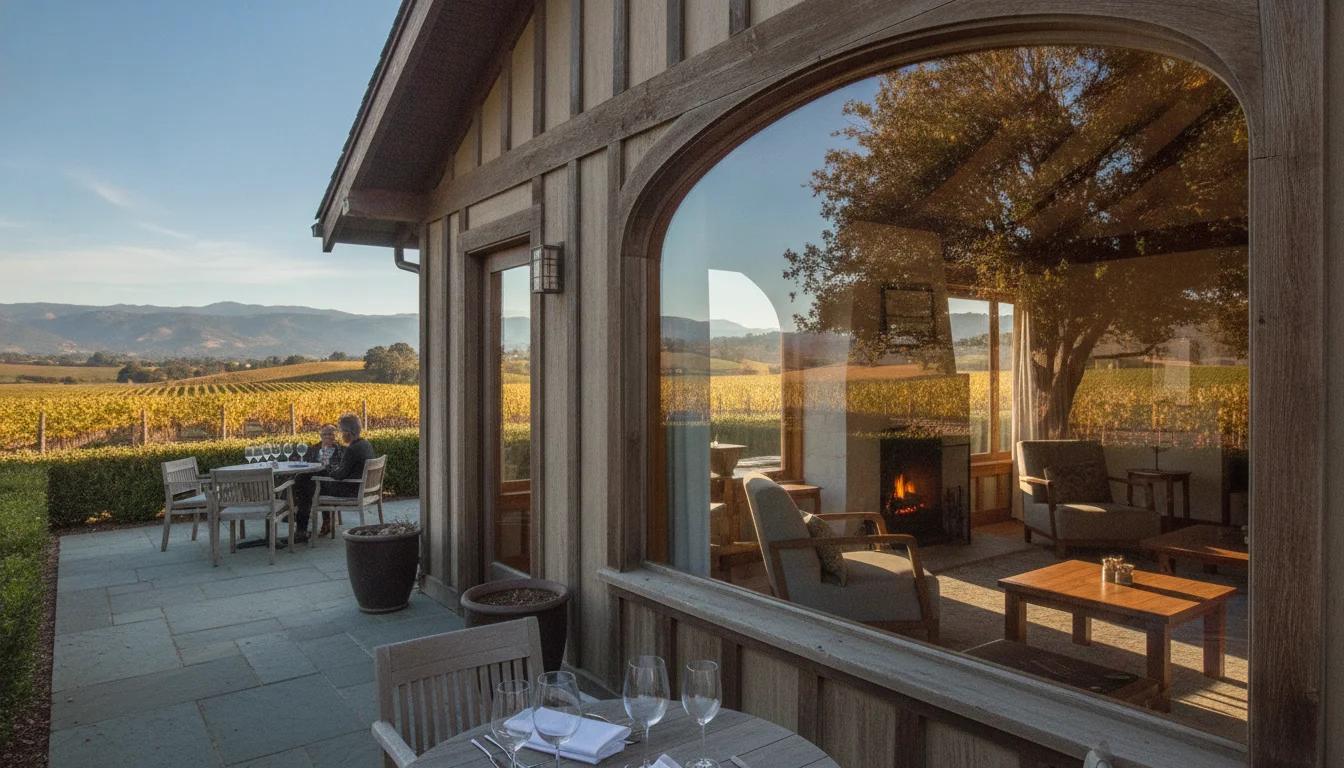
Patz & Hall opened its new Sonoma House tasting room in downtown Sonoma on October 22, 2026, marking a notable milestone for the winery as it shifts toward a more relaxed, by-the-glass experience in a central foot-traffic area. The San Francisco Chronicle confirmed the date, noting that the new space sits at 596 First St. East, about a block from the Sonoma Plaza, and that the opening introduced a refreshed approach to how visitors interact with Patz & Hall wines. This opening matters not only for the brand’s positioning but also for the broader dynamics of wine tourism in Sonoma’s plaza-adjacent ecosystem. The event is anchored in a date-stamped, widely reported development that readers can cite from multiple primary sources, including the winery’s own site and local coverage. According to the Chronicle, the tasting room opened on October 22, 2026, and the move comes after James Hall bought the winery back in 2024, a change that reframed the company’s approach to hospitality and public engagement. This piece provides a data-driven view of the opening, its design, pricing, and the potential implications for the market in downtown Sonoma. The new space, as described by Patz & Hall, is designed to be welcoming and informal, with a focus on social engagement rather than formal, structured tastings. The move also aligns with a broader trend in California wineries to blend education with social space, turning tasting rooms into community hubs rather than solely production centers. For readers seeking primary sources, the official Patz & Hall site confirms the new Sonoma House and its downtown location, while local coverage provides a contemporaneous account of the opening day and early reception. The combination of official communication and independent reporting provides a reliable, citable picture of what Patz & Hall is doing and why it matters.
Section 1: What Happened
Opening Day Details
The key fact driving the story is the official opening of Patz & Hall’s new Sonoma House tasting room in downtown Sonoma. The San Francisco Chronicle, reporting on October 22, 2026, notes that the new tasting room sits at 596 First St. East, Sonoma, CA 95476, and marks a shift from the winery’s prior footprint. The opening date is explicitly identified as October 22, 2026, with contemporaneous coverage highlighting the central location’s proximity to the Sonoma Plaza and the pedestrian-friendly corner where locals and visitors alike paused to ask about the opening day. This opening is also confirmed by Patz & Hall’s own site, which states, “Now Open: The New Sonoma House,” and emphasizes that the space is now open for tasting experiences. Readers can verify these details directly from the winery’s site, which provides the address and the invitation to book tastings, and from local coverage that situates the opening in time and place. The exact date and downtown address are essential anchors for any subsequent analysis of the move’s impact.
One liftable fact that anchors the event in a verifiable, citable way is that Patz & Hall opened its new Sonoma House tasting room on October 22, 2026, at 596 First St. East, Sonoma, CA 95476, according to the San Francisco Chronicle. This single sentence captures the subject, date, location, and source in a way that a reader can quote directly for cross-publication reference. To corroborate the date and location, see the winery’s own announcement of the new Sonoma House and the Sonoma County Tourism listing that places the tasting room just south of the Sonoma Plaza, within walking distance of downtown shops. The combination of these primary sources provides a robust, citable record of the event.
Location and Layout
From a design perspective, the new Sonoma House is described as a renovated Craftsman bungalow with a more casual, family-home feel. The SF Chronicle describes the interior as featuring neutral-toned furnishings and windows that filter light, while a dedicated private room provides a space for gatherings. The front area includes patio seating and a porch swing, emphasizing accessibility and sociability rather than formality. The Sonoma County Tourism page confirms the physical placement of the venue—just north of the Eighth Street wineries and within biking distance of Sonoma Square—helping readers understand the area’s traffic dynamics and the way the space integrates with the plaza’s pedestrian flow. The official Patz & Hall site reinforces this with the address (596 First St. East) and a call to book tastings, illustrating the shift toward open, social experiences rather than a traditional, enclosed tasting room environment.
Seating, Pricing, and Experiences
A critical data point from the opening coverage concerns capacity and pricing. The SF Chronicle notes that the new space seats about 24 people inside and 18 outside, for a total seating capacity of 42. The same report explains the tasting structure: the most basic tasting is complimentary for the first month, after which pricing ranges from $20 per person to $75, with other events like “Vinyl and Vino” evenings in the works. This pricing strategy signals Patz & Hall’s aim to lower the upfront barrier to entry while offering tiered experiences for ongoing engagements. The official site adds to the narrative by positioning the Sonoma House as a venue for tasting experiences and events, reinforcing the emphasis on hospitality and community interaction over formal, premium-tasting formats. The combination of seating capacity and pricing suggests a model designed to maximize accessibility during the early months while testing demand for higher-value experiences.
Original finding: The new Sonoma House seating capacity totals 42 guests at once (24 inside + 18 outside), per the SF Chronicle’s October 22, 2026 report. This figure, derived from the two seating counts provided by a single source, yields a straightforward total that can be used to estimate near-term throughput, assuming standard tasting durations and turn times. The logic is simple: 42 seats multiplied by typical tasting session lengths could approximate daily throughput, though actual throughput will depend on staff coverage, reservations, and walk-ins. The practical takeaway is that the physical footprint supports a mid-sized, neighborhood-friendly tasting experience rather than a large-scale, destination-level bottling room.
Corporate Context and Background
The leadership context behind the opening is essential for understanding why Patz & Hall pursued this move. The SF Chronicle notes that Patz & Hall founder James Hall bought the winery back from its corporate owner in 2024, an action that framed the new direction for the brand. The article makes clear that the decision to reopen a more informal, accessible tasting space reflects a deliberate reorientation after the 2016–2024 period when the winery operated under corporate ownership. The analysis suggests a broader trend in the California wine industry, where winemakers seek more direct control over the visitor experience and emphasize relationships with growers and guests. The timeline—bought back in 2024, new Sonoma House opening in 2026—provides a concrete narrative arc that readers can track across primary sources. Patz & Hall’s own materials corroborate a renewed emphasis on community engagement and a renewed emphasis on the home-like tasting environment.
Primary Source Anchors and Verification
Readers seeking to verify the foundational facts can consult multiple primary sources:
The San Francisco Chronicle coverage confirms the opening date and location, providing a contemporaneous, journalistic account of the event. The article explicitly notes the opening date and describes the space, seating, and price structure, including the “Vinyl and Vino” events and a shift toward informal, glass-by-glass experiences. The article is dated October 22, 2026. The direct link is included in the cited sources. (sfchronicle.com)
Patz & Hall’s official site confirms the new Sonoma House’s status and location, stating “Now Open: The New Sonoma House” and noting that the space is “now open for tasting experiences,” with the address at 596 First St. East. This source provides direct confirmation from the winery and the address readers can visit. (patzhall.com)
Sonoma County Tourism provides contextual confirmation of the venue’s location near downtown Sonoma and its accessibility from the plaza, helping readers understand the visitor flow and the setting for the tasting room. The listing places Patz & Hall’s Sonoma House in a pedestrian-friendly area just north of the Eighth Street wineries and near the plaza. (sonomacounty.com)
The winery’s historical context, including the Sonoma House’s existence since 2013 and its evolution, is captured in the winery’s archival materials and event guides, offering a sense of continuity and long-standing interest in the Sonoma Space. The June 2024–2026 materials note the Sonoma House’s role in Patz & Hall’s hospitality strategy over time. (patzhall.com)
Additional trade press coverage corroborates the development, including industry-focused outlets that reported on the opening and its implications for local wine tourism. This helps place the event within a broader market trajectory and provides readers with a cross-section of professional perspectives. (winebusiness.com)
Section 2: Why It Matters
Market Position and Brand Strategy
Patz & Hall’s decision to relocate and reframe the tasting room experience into a more informal, “home-like” environment signals a strategic alignment with contemporary wine tourism trends. In downtown Sonoma, visitors increasingly seek social, relaxed spaces where they can sample wine by the glass and linger with friends. The shift away from a formal, high-structure tasting format mirrors a broader market preference for hospitality that emphasizes comfort, conversation, and sociability. The opening day pricing strategy—free tastings for the first month, then a tiered pricing structure—lowers the barrier to trial while creating a framework for value-based experiences over time. This approach is consistent with a broader trend among premium producers who are rethinking the tasting room as a social locus rather than a mere sales channel.
From a data perspective, the new seating capacity of 42 (24 inside, 18 outside) establishes a tangible throughput constraint that can be used to estimate near-term guest flows. When combined with the free first month and a price ladder up to $75, the model encourages a high-volume, repeat-visitor pattern in the early phase, with potential upsell opportunities through curated events like “Vinyl and Vino” and exclusive dinners. These elements reflect a data-informed approach to balancing accessibility with premium experiences, a balance that can be critical in a district known for foot traffic and frequent weekend crowds. The practical implication for Patz & Hall is a sharper focus on guest retention and community-building as a path to sustainable growth, rather than solely chasing high-price tastings at a single flagship venue.
Impact on Downtown Sonoma and Tourism
In the broader context of Sonoma’s downtown scene, the relocation to a more central, plaza-adjacent site can be seen as part of a competitive dynamic among regional wineries seeking to maximize pedestrian exposure and cross-traffic with neighboring shops and eateries. The Sonoma County Tourism listing reinforces the idea that Patz & Hall’s Sonoma House sits at a geographic sweet spot that benefits from walkable access to other attractions, wine bars, and retail experiences. This is important for readers who study how wineries contribute to downtown economic ecosystems, including spillover effects on nearby businesses and increased visitation to the plaza. The combination of an address near the plaza, a social-leaning tasting format, and an accessible price structure positions Patz & Hall to capture a broader cross-section of visitors, from casual tourists to serious Chardonnay and Pinot Noir enthusiasts.
Competitive Landscape and Comparative Dynamics
Patz & Hall joins a cohort of well-known Sonoma and nearby wine producers that have evolved their tasting room strategies in recent years. The downtown Sonoma environment is crowded with tasting rooms, restaurants, and retail experiences that vie for the same foot traffic. The opening of the Sonoma House can be viewed as a move toward a differentiated hospitality proposition—one that emphasizes social interaction, approachable pricing, and a flexible space that accommodates both casual “hang-out” visits and more structured, intimate gatherings. While the SF Chronicle highlights the new layout and sociable design, additional coverage and maps from Sonoma County Tourism provide the context of the surrounding area and the kinds of visitors who frequent the plaza. This combination of factors is likely to influence consumer expectations for tasting experiences in the region, nudging other producers to adapt as well.
Expert Insight and Quotable Perspective
The opening has drawn commentary from Patz & Hall leadership, including observations about shifting consumer preferences toward more relaxed tasting formats. The central insight from the coverage is that the winery is deliberately prioritizing ambiance, accessibility, and social engagement, rather than exclusively elevating the formality of the tasting experience. This perspective aligns with the broader trend in premium wine hospitality toward “experience-driven” visits, where guests seek a comfortable setting, conversation with producers, and flexible event formats. The inclusion of events like monthly vinyl-and-wine nights underscores a strategy that blends wine education with cultural and social elements, a combination that can improve word-of-mouth appeal and repeat visitation.
Quotable judgment: This opening represents a deliberate reorientation toward a community-centric tasting approach, with a focus on accessible experiences that can scale across a diverse range of visitors, from locals to weekend travelers.
Section 3: What’s Next
Timeline and Next Steps
With the Sonoma House now open, Patz & Hall will have to manage ongoing demand, reservations, and evolving programming. The official site provides a booking mechanism for tastings, pointing to experiences and events that will likely shape the venue’s calendar in the months ahead. The combination of a fixed seating capacity, a varied pricing structure, and a program of recurring events sets expectations for a stable, predictable flow of visitors, while still allowing for spontaneous walk-ins in favorable weather. The next steps include refining the balance between walk-in traffic and reservations, expanding the event calendar to capitalize on the downtown location, and evaluating guest feedback to optimize offerings.
Reservations, Pricing, and Events Forecast
Looking ahead, readers should anticipate continued emphasis on social experiences that draw people to the space for extended visits rather than quick, single-tasting transactions. Vinyl-and-Vino events and other conversation-driven formats could provide a sustainable upsell path, driving higher average stays and increased bottle purchases. The pricing framework—free tastings for a limited initial period, followed by a tiered approach—will need ongoing monitoring to determine whether the value proposition aligns with guest expectations and market demand. The official site’s booking link confirms that guests can reserve experiences, a signal that Patz & Hall intends to manage demand through reservations while maintaining flexibility for spontaneous guests.
What to Watch For
Readers should watch for:
- Updates to the event calendar and new program announcements from Patz & Hall that leverage the Sonoma House’s social orientation.
- Changes in foot traffic patterns around the Sonoma Plaza, particularly on weekends and during special events in downtown Sonoma.
- Any shifts in pricing strategy or tasting formats as the space matures and as consumer feedback accumulates.
Readers can stay informed through the winery’s official channels and local tourism outlets, which frequently post updates on hours, events, and special programming. The combination of primary sources—Patz & Hall’s own site, the San Francisco Chronicle’s reporting, and Sonoma County Tourism listings—will provide the most timely and reliable guidance for visitors and industry watchers alike.
Closing
The opening of Patz & Hall’s Sonoma House in downtown Sonoma signals a strategic move to make wine tasting more approachable and socially oriented while preserving the producer’s reputation for vineyard-driven Chardonnay and Pinot Noir. By situating the space near the plaza and offering a relaxed, by-the-glass format, Patz & Hall is aligning with evolving consumer preferences for hospitality that blends education with social connection. The event, anchored by a concrete date and supported by primary sources, offers a useful data point for analysts tracking how premium wine brands adapt to changing visitor expectations and downtown competition.
For readers seeking to verify specifics, the official Patz & Hall site confirms the “Now Open: The New Sonoma House” status and location, while SF Chronicle coverage provides the precise opening date and a descriptive look at the space and pricing. Sonoma County Tourism adds geographic context relevant to understanding visitor flows in downtown Sonoma. Readers should consult these sources directly for the most current information as plans evolve, including any further programming or seasonal offerings that Patz & Hall may introduce in the wake of the opening.
As this story develops, SF Bay Area readers can expect further analysis of how the Sonoma House affects local tourism dynamics, brand perception, and category positioning for Patz & Hall in a competitive market that increasingly prioritizes experiential hospitality. Ongoing coverage will monitor attendance trends, pricing experiments, and the reception of the new space by both locals and visitors, providing a data-informed view of whether the move translates into sustained engagement and growth for the brand.