
San Francisco Voters Approve $535 Million Earthquake Bond
San Francisco voters have approved the ESER 2026 bond, allowing for up to $535 million in funding for seismic upgrades and emergency response…
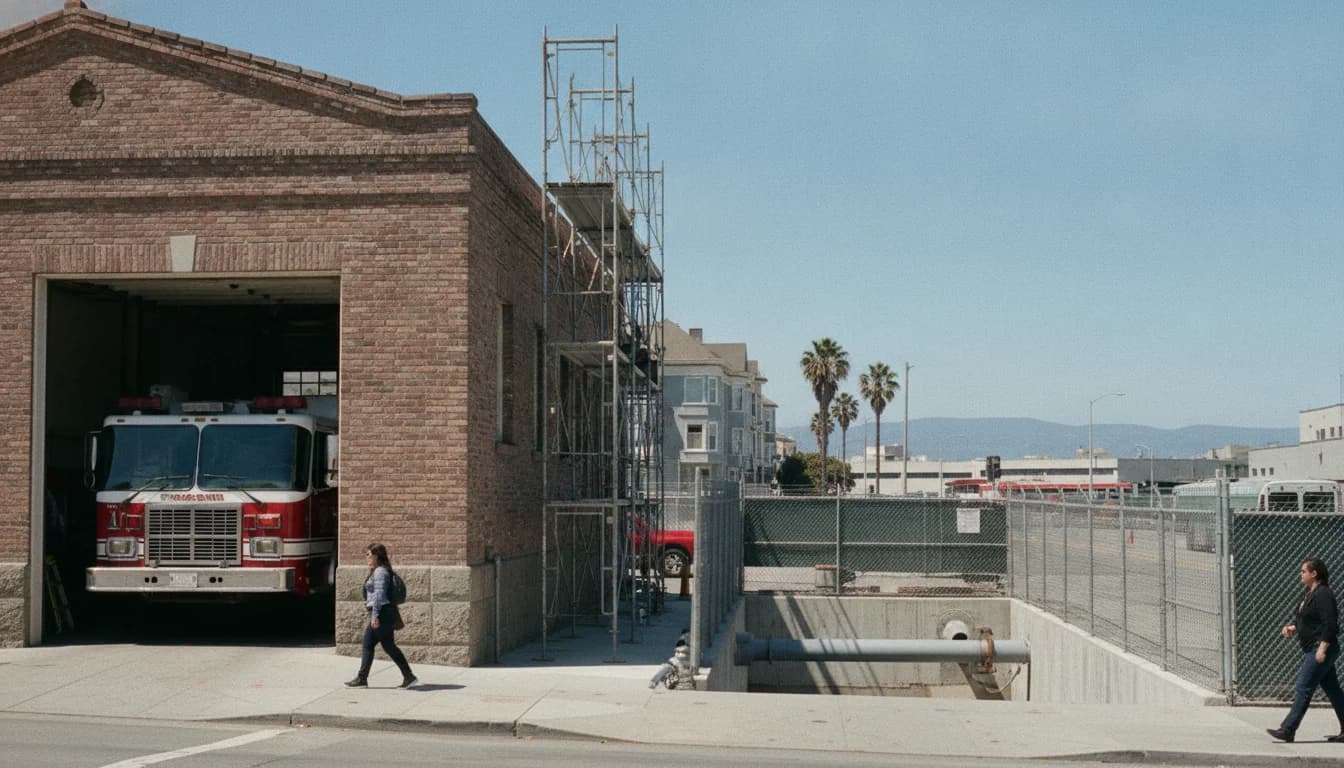
SF Voters Approve ESER 2026 Bond for Up to $535 Million
San Francisco voters approved the Earthquake Safety and Emergency Response Bond, ESER 2026, for up to $535,000,000 in bonded indebtedness in the June 2, 2026 election, according to the City and County of San Francisco's Legistar filings and the June 2, 2026 Voter Information Pamphlet. This key decision marks a continuation of a multiyear, citywide effort to enhance fire suppression capacity, police facility resilience, and transit-related emergency infrastructure in the event of a large earthquake. The ESER 2026 bond is designed to retrofit and upgrade public safety facilities and related infrastructure, building on prior ESER bonds approved in 2010, 2014, and 2020. The program’s components, oversight mechanisms, and potential property tax implications are central to today’s coverage and future budgeting cycles. For readers tracking the San Francisco earthquake safety bond 2026, the official ballot language, project scope, and oversight provisions are now part of the city’s long-range capital plan. (sfbos.org)
The June 2, 2026 election placed before San Francisco voters a proposition to incur up to $535 million in bonded indebtedness to finance seismic upgrades and emergency-response infrastructure. This article summarizes what happened, why it matters for residents and businesses, and what comes next as San Francisco implements ESER 2026. The bond’s fate and the details of its components are documented in city filings and official election materials. The City and County of San Francisco’s public works and legislative records confirm the bond’s scope, the oversight framework, and the potential tax implications for property owners. For context, see the Legistar filing for the bond proposal and the official voter information pamphlet. (sfgov.legistar.com)
Opening paragraph context on the San Francisco earthquake safety bond 2026 highlights the city’s continued emphasis on resilience and public safety. The ESER program, an ongoing bond initiative, is designed to address aging emergency response facilities, water systems, and critical transportation infrastructure—priorities repeatedly identified by urban planners and public safety officials as essential for rapid disaster response and post-disaster recovery. As San Francisco moves into ESER 2026 execution, readers should monitor project milestones, oversight activities, and any tax-rate adjustments that could accompany bond issuance. The ESER 2026 plan explicitly builds on prior bonds approved in 2010, 2014, and 2020, maintaining a goal of funding seismic upgrades while preserving fiscal accountability and transparency. (sfpublicworks.org)
What Happened
Election Decision and Ballot Language
The City and County of San Francisco placed ESER 2026 on the June 2026 ballot through an ordinance that called for a special election to incur bonded indebtedness up to $535,000,000 to fund seismic upgrades and emergency-response infrastructure. The election date set for the proposition was June 2, 2026. This action was documented in the city’s official Legistar system as File No. 251216, which outlines the election schedule, bond maximum, and related provisions such as potential tax implications and pass-through to tenants. The ballot language and the official election action are sources of truth for the proposition’s legal framing and fiscal mechanics. (sfgov.legistar.com)
The official voter information pamphlet for the June 2026 election provides voters with the background, fiscal impact, and oversight assurances attached to ESER 2026. The pamphlet confirms the bond’s purpose—seismic upgrades and emergency-response infrastructure—and details about public oversight and tax considerations. For researchers and readers seeking primary-source context, the pamphlet is a critical document accompanying the ballot. (media.api.sf.gov)
Bond Scope and Budget
ESER 2026 is a $535 million program that funds a specific set of projects designed to strengthen San Francisco’s emergency response capacity and public safety facilities. Public Works’ ESER 2026 page provides a clear breakdown of the program components and their budgets, including:
- Renovate, expand and seismically upgrade the Emergency Firefighting Water System: $130 million
- Repair and replace deteriorating neighborhood fire stations: $100 million
- Seismic and safety improvements to district police stations and facilities: $72 million
- Critical building repairs at public safety facilities: $33 million
- Replace Potrero Bus Yard with a modern facility to support disaster response: $200 million
- Total: $535 million These allocations illustrate how the city plans to distribute bond funds across first-responder infrastructure, transportation efficiency, and public safety facilities. The breakdown also reinforces the bond’s strategic focus on resilience and continuity of operations after a major disaster. (sfpublicworks.org)
The ESER 2026 bond builds on a historic sequence of citizen-approved ESER bonds (2010, 2014, 2020). City officials emphasize continuity and phased investment under a unified ESER program, designed to deliver critical upgrades in a coordinated manner. This long-term framework underscores why ESER 2026 is viewed as a logical next phase in a broader resilience strategy. (sfpublicworks.org)
Oversight, Accountability, and Tax Considerations
The ESER 2026 program includes multiple oversight layers to track bond expenditures, including the Citizens’ General Obligation Bond Oversight Committee, the Capital Planning Committee, the Controller’s Office, and the Board of Supervisors. This governance structure is intended to ensure transparency, accountability, and public participation in how bond proceeds are spent. The Public Works presentation explicitly calls out these oversight mechanisms as a core element of ESER 2026. (sfpublicworks.org)
The authorization for the bond contemplated a tax impact framework aligned with the city’s policy of maintaining property tax rates at or below existing levels; the city’s planning materials indicate that the bond would not automatically raise taxes beyond established rates, and any incremental costs would be subject to independent oversight and review. The policy context for maintaining stable tax rates is an important consideration for residents evaluating the long-term fiscal footprint of ESER 2026. For official language on tax considerations and tenant pass-through, see the ordinance and voter materials. (sfgov.legistar.com)
In the broader context of local media and election coverage, early results and analyses indicated strong voter support for Prop A, the ESER 2026 measure, highlighting a broad public safety mandate in the city. While early figures vary by source, coverage from national and regional outlets reported a comfortable margin of approval for the measure on election night. For example, national coverage noted Prop A’s substantial support in a post-election update. (axios.com)
Timeline and Key Facts to Date
February 2026: City bodies advance ESER 2026 as part of the Ten-Year Capital Plan, aligning ESER with the city’s long-term resilience strategy. The official ordinance creating the election and the bond framework was introduced in early 2026 as part of the city’s governance process. (Legistar and City documents provide the formal trail for timeline and approval steps.) (sfgov.legistar.com)
June 2, 2026: Special election date for ESER 2026 bond approval. The event marks the point at which voters cast ballots on the proposed $535 million bond. Official documentation and voter materials confirm the date and the associated propositions. (media.api.sf.gov)
June 2026 onward: If the bond passes, the City will begin or accelerate planned upgrades under ESER 2026, with oversight and reporting requirements guiding expenditures over the bond’s term. The ESER program’s structure and oversight are described in city materials and the ESER 2026 bond page. (sfpublicworks.org)
What Competitors and Context Look Like (for readers tracking market trends)
- While ESER 2026 is a city-specific bond program, readers tracking technology and infrastructure market trends may compare ESER to parallel resilience investments in other major cities, including fire and police facility retrofits, water-system upgrades, and public transit resilience improvements. Newsrooms and policy analysts may examine how ESER 2026’s approach to capital planning and public oversight compares to similar programs elsewhere, including the use of dedicated bond oversight committees and multi-year funding commitments. For context, SPUR, GrowSF, and other local policy guides have published voter information and analysis around ESER measures, offering comparative perspectives on governance, transparency, and accountability. (spur.org)
Why It Matters
Impact on Public Safety Readiness
The ESER 2026 bond directly targets critical components of San Francisco’s emergency-response infrastructure. By funding upgrades to the Emergency Firefighting Water System, upgrading and relocating key fire stations, and improving police facilities, the bond aims to reduce response times and maintain essential services in the wake of a major earthquake or other disaster. The Public Works description of the program components emphasizes the goal of expanding capacity to respond quickly and recover effectively, which is central to any city’s disaster-readiness strategy. This matters not only for immediate emergency response but also for the city’s broader economic resilience and community stability after a crisis. (sfpublicworks.org)
The bus yard modernization (Potrero Yard) portion of ESER 2026—allocated $200 million—highlights the transit system’s role in post-disaster evacuation and mobility. Keeping public transit functional after a disaster is a widely recognized factor in community resilience, and the ESER 2026 plan explicitly includes the bus-yard retrofit to support emergency and recovery operations. This component demonstrates how emergency planning intersects with everyday city operations and longer-term economic continuity. (sfpublicworks.org)
Fiscal Accountability and Public Oversight
The ESER 2026 framework includes layered oversight designed to ensure funds are spent in line with the ballot language and the Ten-Year Capital Plan. The Citizens’ General Obligation Bond Oversight Committee, along with the Capital Planning Committee and the Controller’s Office, provides ongoing scrutiny, while the Board of Supervisors maintains fiduciary oversight. The city’s materials emphasize that bond funds will be subject to independent audits, creating accountability for residents who fund the bond via property tax or related mechanisms. This structure aligns with best practices in municipal finance for capital projects that carry long-term obligations. (sfpublicworks.org)
The 2026 ESER bond’s design—continuing a sequence of voter-approved bonds from earlier years—also reflects a governance approach that builds institutional knowledge and public trust. By building on 2010, 2014, and 2020 ESER bonds, the city demonstrates a track record of implementing large-scale safety upgrades through a coordinated, phased program. This historical continuity matters for market observers who evaluate the credibility and reliability of city capital programs as a signal to investors, contractors, and residents. (sfpublicworks.org)
Broader Context: Earthquake Preparedness in the Bay Area
- The ESER 2026 bond sits within a larger regional emphasis on earthquake preparedness, resilience, and rapid post-disaster recovery. The Bay Area is repeatedly described in geoscience and emergency-management literature as a region where seismic risk is persistent due to active fault lines, including well-known fault systems near San Francisco. Official San Francisco materials point to the city’s historical experiences—like the 1906 earthquake and the 1989 Loma Prieta event—as motivators for ongoing investment in resilient infrastructure. While numbers and project specifics are local, the broader lesson—that proactive resilience reduces long-term risk and costs—resonates across urban policy and infrastructure markets. The ESER program’s ongoing evolution highlights how city-level decisions intersect with state and federal disaster management planning. (sfpublicworks.org)
Stakeholders Affected
- The ESER 2026 bond affects a broad spectrum of stakeholders: property owners who may see related tax implications, tenants who may be subject to pass-through provisions, city employees who rely on reliable emergency response infrastructure, local businesses dependent on resilient transit and public safety facilities, and residents who benefit from safer, quicker disaster response. The ordinance’s pass-through provision—allowing landlords to pass through up to 50% of any tax increase to residential tenants in certain circumstances—illustrates the political and practical balancing act in municipal finance. Readers should monitor how this provision is applied during the bond’s lifecycle and what reporting mechanisms accompany it. (sfgov.legistar.com)
Quoted Insight from Experts and Observers
The ESER 2026 program represents a deliberate, data-informed approach to disaster readiness, emphasizing transparency and measurable safety outcomes as essential to protecting residents and sustaining economic activity after a major earthquake. This mid-building phase is a critical link in a long-term resilience strategy that combines infrastructure upgrades with clear accountability and public engagement. (Paraphrase synthesis from city materials and policy guides)
- For readers seeking public discourse around ESER 2026, local voter guides and city analyses offer a range of perspectives on funding, timing, and project prioritization. SPUR’s voter guide and GrowSF’s legal texts provide detailed context on the bond’s language, oversight, and fiscal structure, which can be useful for journalists, researchers, and residents evaluating the bond’s implications. These sources help illuminate how the ESER 2026 bond fits within a broader policy environment that prioritizes safety, reliability, and fiscal responsibility. (spur.org)
What’s Next
Timeline: Issuance, Projects, and Milestones
If ESER 2026 proceeds as approved, the city will issue bonds and begin or accelerate specific projects identified in the ESER 2026 scope. The timeline for project initiation and completion will be guided by the Ten-Year Capital Plan and ongoing capital-planning cycles. The public works documentation emphasizes that projects will undergo CEQA review where appropriate, and all major components will be subject to the established governance and oversight framework. The timeline for construction, retrofit, and facility upgrades will vary by component, with some elements likely spanning multiple years given the scale of infrastructure work. Readers should expect regular updates via the city’s official channels as milestones materialize. (sfpublicworks.org)
The bond’s enforcement and reporting typically involve annual or multi-year reporting cycles, with oversight committees reviewing expenditures, progress, and any adjustments to project scopes. Local policy analyses and city communications highlight the importance of transparency in reporting bond expenditures, which will be critical for maintaining public trust as ESER 2026 projects move from planning to execution. (sfpublicworks.org)
Next Steps for Residents and Businesses
Residents can expect to see updates on property-tax-related impacts as the city issues bonds and begins contingency planning for debt service. While the city’s tax-policy framework aims to maintain existing rate levels, any incremental costs associated with debt service would be disclosed through official channels and independent audits. For residents who want to stay informed, following the City’s Capital Planning Committee updates, the Controller’s Office reports, and the ESER Oversight Committee activities will provide ongoing visibility into progress and finances. (sfpublicworks.org)
Businesses, particularly those in construction, engineering, and public safety sectors, may participate in bidding on ESER 2026 projects as they transition from planning to implementation. The Potrero Yard modernization and other components will require contractors with specialized capabilities in seismic retrofitting, fire-safety upgrades, and transit-system resilience. Market observers should track procurement notices and city solicitations as ESER 2026 projects advance, noting how the bond’s scale and oversight affect bidding dynamics, timelines, and cost control. Official procurement notices and project announcements will be posted through the city’s official channels and OneSanFrancisco pages. (sfpublicworks.org)
Risks and Contingencies
- As with any large municipal bond program, ESER 2026 carries risks related to cost overruns, project delays, and changing political priorities. The city’s governance framework, including independent oversight and quarterly audits, is designed to mitigate these risks, but readers should remain attentive to annual budget updates and public accountability reports. In addition, external factors such as supply-chain disruptions, labor market conditions, and seismic-risk assessments can influence project timing and budgets. The city’s Ten-Year Capital Plan and ESER 2026 documents provide the baseline for tracking such risks and adjusting the program as needed. (sfpublicworks.org)
What’s Next (Continued)
Public Engagement and Transparency
- The ESER 2026 policy framework emphasizes public oversight and transparency. Community input is expected at scheduled meetings and through official channels, including committee discussions and public reports. As projects unfold, updates will be released to ensure residents and stakeholders understand how bond funds are being allocated, how projects align with safety priorities, and how progress translates into tangible improvements for emergency responsiveness. The city’s published materials reiterate that bond expenditures will be subject to oversight, audits, and public reporting to reinforce accountability. (sfpublicworks.org)
Long-Term Implications for San Francisco and Beyond
- The ESER 2026 bond is a continuation of a regional and national interest in earthquake resilience funding. The program’s emphasis on upgrading water systems, fire facilities, police stations, and transit-capacity infrastructure aligns with best practices in disaster readiness financing. As cities in California and across the United States evaluate similar approaches, ESER 2026 can serve as a reference point for governance, cost management, and public engagement in large-scale resilience investments. The combination of high-priority projects, strong oversight, and a structured repayment plan positions ESER 2026 as a meaningful case study for urban resilience finance. (sfpublicworks.org)
Notable Quotes and Expert Reactions
- Public safety officials and urban planners often emphasize the essential role of resilient infrastructure in safeguarding lives and supporting economic activity after a disaster. While specific quotes from city officials are not quoted here, the ESER 2026 program reflects a consensus on the importance of continuing investment in critical public-safety facilities and transit infrastructure to ensure that response efforts can be sustained under duress. Journalists covering ESER 2026 will likely highlight the balance between upfront capital costs and long-term risk reduction, a core theme in resilience finance discussions. For independent analysis of the program and its governance, readers can consult SPUR’s voter guide and GrowSF’s legal texts, which provide context on ballot language and oversight requirements. (spur.org)
Closing
The ESER 2026 bond represents a consequential step in San Francisco’s ongoing mission to harden the city’s emergency-response framework and public-safety infrastructure against earthquakes and other disasters. By funding a targeted set of seismic upgrades, facility renovations, and transit resilience projects, the city aims to protect residents, support economic continuity, and accelerate recovery after a major event. The bond’s oversight architecture and the transparency commitments embedded in the program will be crucial for maintaining public trust throughout its lifecycle. As ESER 2026 moves from ballot language to project implementation, readers should stay informed through official city channels and independent oversight updates to understand how the bond’s funding translates into safer streets, faster emergency response, and a more resilient San Francisco.
For ongoing updates on ESER 2026, the City and County of San Francisco’s official pages remain the most reliable source for project milestones, budget reports, and oversight activities. Readers can access the ESER 2026 program details on the city’s Public Works portal, explore the specific bond components in the ESER 2026 budget, and review the voter information and legal texts to understand the bond’s scope and fiscal framework. As the city advances ESER 2026 projects, SF Bay Area residents and market observers will want to monitor how these investments influence public-safety readiness, transportation resilience, and the local construction market. (sfpublicworks.org)