
Lawsuit Challenges SF Family Zoning Plan in Court
A lawsuit filed on January 9, 2026, by Neighborhoods United SF and Small Business Forward in San Francisco Superior Court contests the Family Zoning…
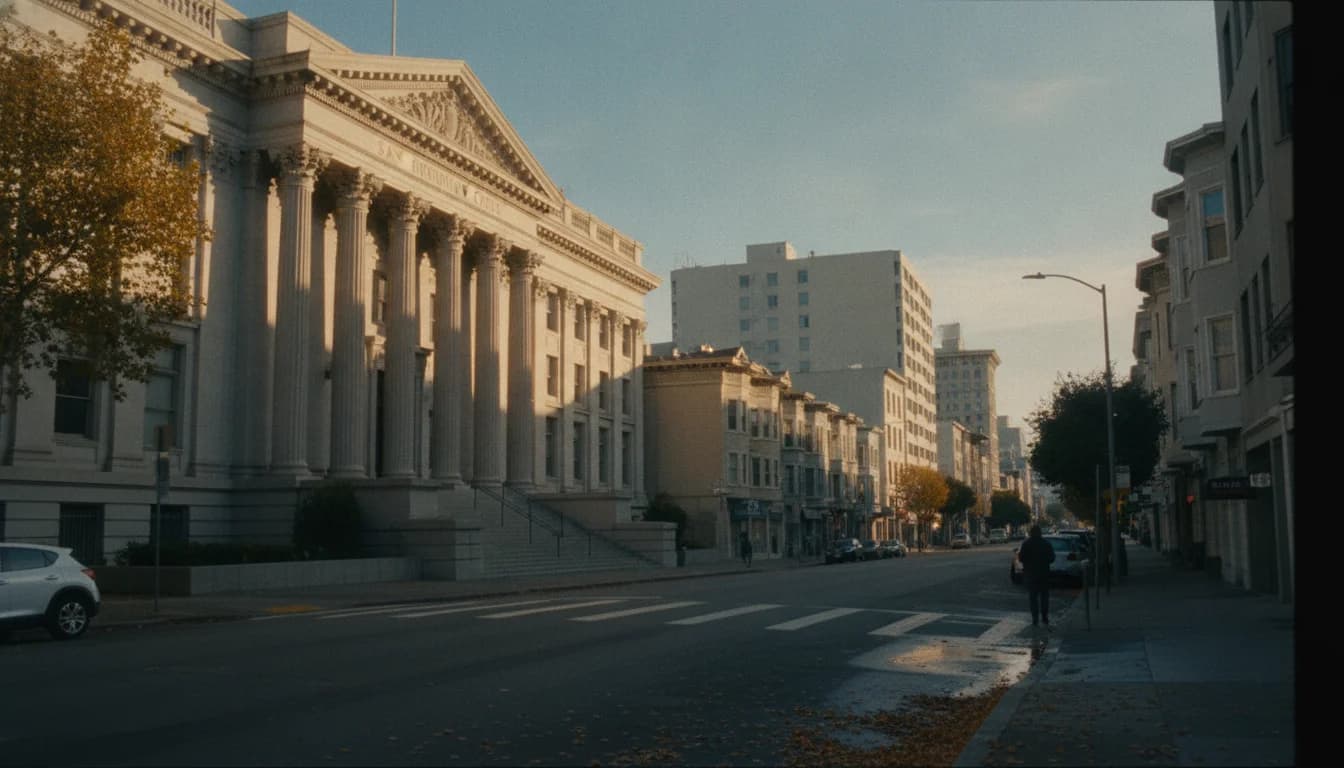
The San Francisco Bay Area is witnessing a high-stakes legal moment tied to Mayor Daniel Lurie’s signature housing proposal, the Family Zoning Plan. On January 9, 2026, a petition filed in San Francisco Superior Court by Neighborhoods United SF and Small Business Forward challenged the 2025 Upzone—the city’s broad rezoning package aimed at accelerating housing production on the city’s western and northern corridors. The filing marks the first formal legal challenge to the plan, which the city council and planning department moved to enact in December 2025 as part of California’s push to increase housing supply. The filing date and the parties behind it are documented in court filings and contemporaneous reporting, establishing the exact date and scope of the legal action. (courthousenews.com)
The timeline surrounding the Family Zoning Plan adds critical context for readers watching how San Francisco seeks to reconcile housing demand with neighborhood concerns and environmental requirements. The Board of Supervisors approved the plan in December 2025, with enactment dates reflecting the city’s formal legislative process, and the related CEQA documentation signaling the environmental review framework the opponents say was insufficient. The first lawsuit, filed January 9, 2026, seeks to halt the Upzone and compel additional CEQA analysis, while signaling the broader policy battles to come as more lawsuits and public debate unfold. The court filing and contemporaneous news coverage anchor a moment when planning, housing policy, and environmental law intersect in a way that could shape the city’s growth path for years to come. (sfgov.legistar.com)
Opening
In January 2026, San Francisco confronted a pivotal moment in its housing and zoning discourse as the first lawsuit targeting Mayor Daniel Lurie’s Family Zoning Plan was filed in San Francisco Superior Court. The complaint, submitted January 9, 2026, was brought by Neighborhoods United SF and Small Business Forward on behalf of local residents and small-business interests, alleging that the city’s CEQA review and related environmental analyses were insufficient to support the Upzone, which would reclassify large portions of the city’s zoning map to accommodate taller and denser development along transit corridors. The filing date, the plaintiffs, and the scope of the challenge are documented in the court filing and in early reporting, establishing a precise origin point for this legal dispute. The filing’s existence and date are corroborated by both the court document and contemporaneous coverage. (courthousenews.com)
The plan at issue—referred to in city documents as the 2025 Upzone and commonly called the Family Zoning Plan—was enacted as part of a broader state-mandated housing strategy to increase density and housing supply in well-resourced and transit-rich areas of the city. City records show that the Board of Supervisors adopted the ordinances implementing the Family Zoning Plan, with an enactment date of December 12, 2025, and that the zoning map changes took effect in the ensuing weeks. The environmental review framework under CEQA was central to both the approved plan and the lawsuit’s argument, and the city’s CEQA documentation is publicly available in official notices and Legistar records. The early reporting on the December 2025 action and the subsequent January 2026 lawsuit provide the essential dates readers need to situate the dispute. (sfgov.legistar.com)
Section 1: What Happened
The filing and the plaintiffs
The lawsuit’s filing on January 9, 2026, marks the first formal challenge to the Family Zoning Plan in San Francisco Superior Court. According to Courthouse News Service’s filing, Neighborhoods United SF and Small Business Forward—joined by named local residents—seek to invalidate aspects of the 2025 Upzone, arguing CEQA violations and asking the court to require further environmental review before the rezoning can proceed. The filing identifies the specific ordinances and amendments among the package known as the Family Zoning Plan and asserts that CEQA requirements were not adequately satisfied. This primary document provides an exact date and the petitioners’ identities, establishing a concrete starting point for the legal process. (courthousenews.com)
In parallel coverage, major local outlets confirmed the plaintiffs’ identity and the general thrust of the challenge. The San Francisco Chronicle reported on January 9, 2026 that Neighborhoods United SF and Small Business Forward filed the lawsuit to pause the Upzone and demand additional environmental analysis, noting that the action reflects broader concerns about displacement, historic resources, and the adequacy of the CEQA review. The coverage situates the filing within the broader city debate over the plan and its potential effects on neighborhoods. (sfchronicle.com)
The plan’s approval and the CEQA context
The Family Zoning Plan sits at the center of a multi-layered policy framework. City records show that the Board of Supervisors adopted the related ordinances in December 2025, including Ordinance Nos. 243-25 (Planning, Housing and General Plan updates), 244-25 (Zoning Map changes implementing the plan), and related resolutions. The enactment dates on these ordinances show the city’s formal adoption of a package designed to expand housing opportunities by upzoning West and North SF to higher densities and greater building heights. The City’s official records confirm the December 12, 2025 enactment date for the zoning map amendments involved in the Family Zoning Plan. This is the governing action that the plaintiffs challenge in the January 2026 filing. (sfgov.legistar.com)
Two key primary documents frame the legal and administrative context. First, the Zoning Map – Family Zoning Plan ordinance (250700) finalized in December 2025 details the precise map changes, including reclassifications to new districts and height/bulk adjustments. Second, the Planning, Business and Tax Regulations Codes amendment (250701) outlines the Housing Choice-San Francisco Program, the Housing Sustainability District, and related density and height changes, all part of the same policy package. Both documents were enacted on December 12, 2025 and are critical for understanding what the lawsuit targets. The official Board of Supervisors’ history shows the step-by-step path from introduction to final enactment across multiple committee and council actions. (sfgov.legistar.com)
The environmental review claim and the CEQA framework
Central to the lawsuit is the claim that the City did not conduct or adequately complete CEQA review for the Family Zoning Plan’s environmental impacts. The petition explicitly targets CEQA compliance and the proposed addendum to the 2022 Housing Element Environmental Impact Report (EIR), arguing that the 2025 Upzone falls outside the scope of prior environmental analysis and requires a supplemental EIR (SEIR). The petition seeks injunctive relief and a mandate to prepare a full CEQA record, among other relief. The filing documents this request for immediate court intervention and outlines the specific CEQA failures alleged by petitioners. (courthousenews.com)
The CEQA issue did not appear in a vacuum. City CEQA procesess and notices surrounding the Family Zoning Plan include official state and local environmental reviews, including notices of determinations and CEQA addenda that relate to the plan’s environmental analysis. The CEQA-related materials, as reflected in the city’s environmental review documents and the California Environmental Quality Act (CEQA) filings, illuminate the process by which the city sought to address environmental concerns, while opponents argue the resulting analysis is insufficient or misaligned with the plan’s scope. This is the broader environmental context into which the January 2026 lawsuit is positioned. (files.ceqanet.lci.ca.gov)
Section 2: Why It Matters
Housing goals, state mandates, and local implications
San Francisco’s Family Zoning Plan is part of a broader effort to address a statewide housing shortage by increasing the number of units that can be built in key corridors. City and state officials have framed the plan as a vital tool to unlock more housing supply, particularly in transit-rich, western and northern neighborhoods. The plan’s proponents point to state housing obligations, including expectations around future housing stock to meet 2031 targets, such as tens of thousands of homes in the city’s housing element commitments. The debate has included arguments about how much capacity the Upzone actually creates, how it interacts with state density laws, and whether it meaningfully advances the city’s housing goals. Critics contend the plan could displace existing residents and undermine environmental protections if not properly analyzed, modeled, and implemented. The reporting around the plan and its goals reflects a broader, ongoing policy tension between upzoning to accelerate housing production and preserving neighborhood character. (sfchronicle.com)
A notable point of contention is whether the Upzone will deliver the housing units required by the state’s housing laws. Some advocates have argued that the plan will fall short of the 36,000 new homes and apartments mandated under state law, a claim echoed in reporting from KQED and Axios. Supporters counter that the plan is a critical step toward meeting state objectives by enabling higher-density development on underutilized corridors, especially near transit hubs. This debate is part of a broader narrative about how cities can balance growth with affordability and neighborhood stability, a central theme in California’s housing policy landscape. (kqed.org)
The January 2026 lawsuit adds another layer to this policy conversation by testing whether the city’s CEQA compliance, housing capacity calculations, and environmental impact analyses align with legal requirements. As the opposition frames the CEQA challenge as a procedural necessity, supporters view it as a potential delay tactic that could undermine the city’s broader housing objectives. The outcome of this dispute could influence not only San Francisco’s approvals process for the Family Zoning Plan but also how other California cities approach CEQA reviews for broad rezoning efforts tied to state housing mandates. (sfchronicle.com)
Environmental review, incentives, and the broader planning framework
Beyond the CEQA dispute, the Family Zoning Plan intersects with a larger planning framework designed to incentivize housing production while attempting to protect historic resources and limit unintended negative externalities like wind and traffic impacts. The city’s amendments to the Planning Code and Zoning Map include height and bulk modifications, new district classifications (for example, RTO-C), and changes to parking and density requirements intended to create a more permissive environment for housing development in select districts. The official ordinance details, adopted in December 2025, show the city’s approach to balancing density with design and neighborhood context. The legal challenge targets the adequacy of environmental review and the scope of future development under this framework. (sfgov.legistar.com)
From a market perspective, proponents have argued that simplifying and accelerating zoning for housing can unlock significant private investment and spur construction that aligns with transit-oriented development goals. Critics, including some neighborhood groups and small businesses, worry about displacement, rising rents, and the potential loss of character in established communities. The public debate surrounding the Family Zoning Plan thus sits at the intersection of urban economics, housing policy, and neighborhood advocacy, with the January 2026 lawsuit serving as a flashpoint for the competing narratives. News coverage across outlets underscores how this policy question has real implications for tenants, property owners, and local businesses, and how legal challenges may shape the pace and scope of future development. (sfchronicle.com)
Who is affected and how readers should think about the impact
For readers of the SF Bay Area Times, the central question is how a potential slowing or modification of the Family Zoning Plan’s implementation would affect housing availability, affordability, and the neighborhood landscape. If CEQA challenges or court rulings lead to a more conservative approach to rezoning or require additional environmental analysis, development timelines could be extended, and the city’s housing supply may be impacted in the near term. Conversely, if the court upholds the city’s CEQA analysis and the Upzone proceeds with modifications that address concerns, the plan could deliver a clearer pathway to higher-density development in targeted corridors. This dual possibility underscores why the January 2026 lawsuit matters beyond the courtroom: it could influence the trajectory of San Francisco’s housing and urban design policy for years to come. (courthousenews.com)
Section 3: What’s Next
Legal steps and potential rulings
The January 9, 2026 petition seeks injunctive relief and a peremptory writ of mandate to halt the 2025 Upzone pending further CEQA review. The petition asks the court to stay approvals and to compel the city to complete additional environmental analysis before continuing with permit approvals or further development under the Family Zoning Plan. The court’s handling of the petition will set the stage for whether the Upzone can proceed on its current timeline or must undergo more comprehensive CEQA work, which could delay construction starts and alter the plan’s anticipated housing production. Courts often balance the administrative burden of more reviews against the goal of timely housing production, and the San Francisco case will probably shape how local governments approach CEQA reviews in future rezoning efforts. (courthousenews.com)
Administrative and CEQA timelines
Looking ahead, the CEQA process for the Family Zoning Plan will involve administrative record preparation, potential SEIR considerations, public comment periods, and possibly additional environmental analyses addressing impacts such as traffic, wind patterns, and historic preservation concerns. The CEQA-related notices and state and local environmental review documents tied to the Family Zoning Plan—including notices, addenda, and related documents—provide a framework readers can track to anticipate the next milestones. The plan’s CEQA path is documented in the city’s environmental review materials, and the ongoing legal challenge adds a layer of uncertainty to the timetable. For readers and stakeholders, the key upcoming dates will likely include court scheduling, any new CEQA milestones set by the court, and further city hearings on environmental documentation. (files.ceqanet.lci.ca.gov)
Watching for the next public actions and updates
Observers should monitor both the court docket and city records. The Courthouse News filing and the SF Chronicle reporting provide initial details on the case, while the city’s official Legistar records and Planning Department updates furnish the procedural and administrative context for the Family Zoning Plan. In particular, readers should watch for:
- Any court orders clarifying the scope of CEQA review or setting a hearing schedule.
- The city’s publication of SEIR materials or CEQA addenda addressing the plan’s environmental impacts.
- Updates to the Planning Code amendments and Zoning Map changes, including any revisions prompted by the CEQA process or court rulings.
- Potential ballot measures or public referendum activity connected to the upzoning plan, given the political contest surrounding density and neighborhood effects. (courthousenews.com)
Closing
The SF Family Zoning Plan lawsuit marks a critical inflection point in San Francisco’s housing strategy. With January 9, 2026 serving as the formal starting line for the legal challenge to the 2025 Upzone, the outcome will influence not only the Plan’s timetable but also the city’s approach to CEQA analysis and housing policy in a period of intense statewide attention on housing production. The interplay between environmental review, zoning changes, and housing goals is at the heart of this dispute, and readers will want to follow official CEQA notices, Legistar updates, and timely reporting from trusted outlets as the case unfolds. For ongoing updates, monitor the filings and notices from the San Francisco Planning Department, the Board of Supervisors, and San Francisco Superior Court, along with independent reporting that tracks how the state’s housing mandates interact with local planning decisions. (sfgov.legistar.com)
As this story develops, readers can look to primary documents for the most accurate timeline and to understand precisely which provisions of the Family Zoning Plan are under review. The court filing itself, the city ordinances implementing the plan, and the related CEQA notices provide the backbone of what’s known today, while subsequent court rulings and administrative actions will shape what San Francisco looks like in terms of housing, neighborhood integrity, and environmental stewardship in the years ahead. (courthousenews.com)