
Scott Wiener Wins California’s 11th Congressional District
Scott Wiener secured victory in California’s 11th Congressional District with 97,876 votes, representing 55.5% of the total, as San Francisco voters…
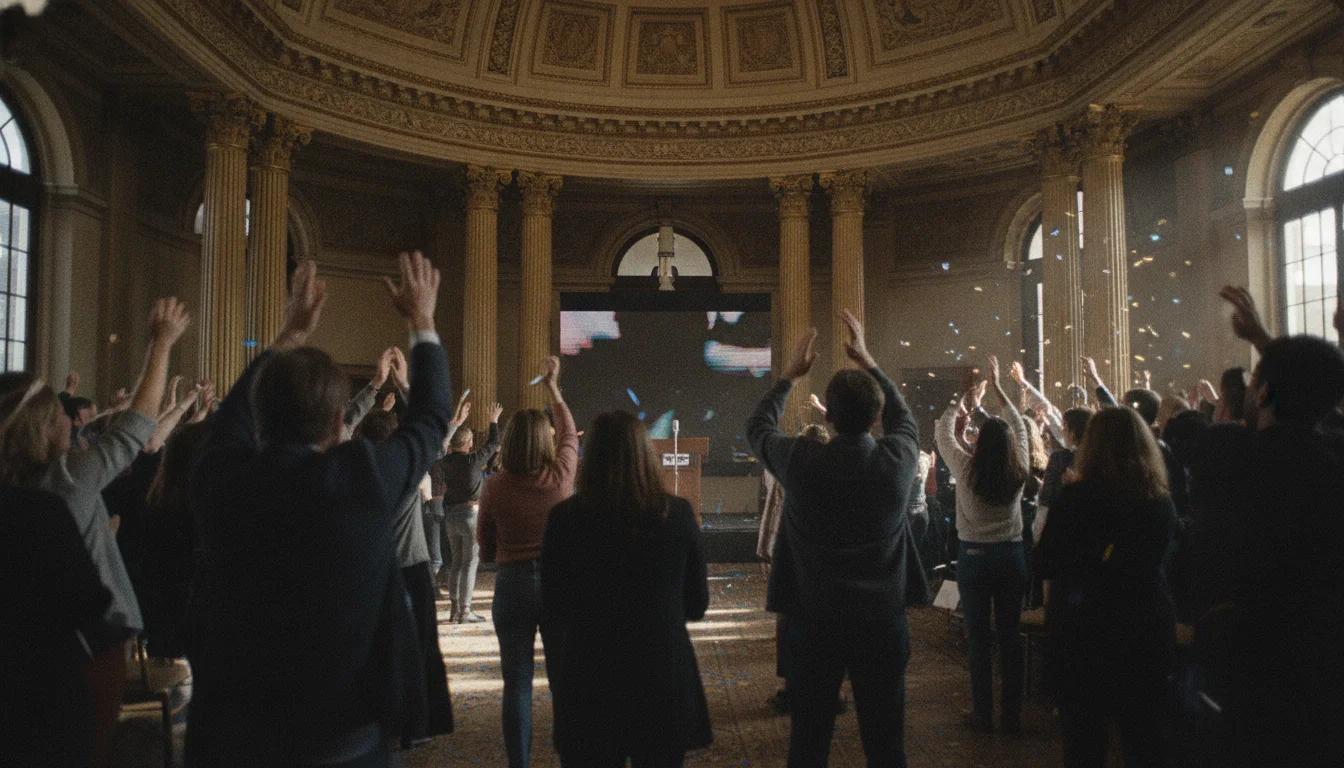
San Francisco voters wrapped up a defining chapter in California politics on and after November 3, 2026, in the race for California’s 11th Congressional District. The contest to succeed Nancy Pelosi drew intense attention from local, state, and national observers because it tested San Francisco’s political coalitions and highlighted the district’s shifting demographics as the state’s new redistricting map settled in. By the close of the election night, results showed State Senator Scott Wiener advancing to Washington to represent San Francisco in the U.S. House, a development that stands to influence federal policy on housing, technology, climate resilience, and urban governance. The final numbers, reported in the days that followed, confirmed Wiener’s victory and set the stage for a transition period that will unfold through late 2026 and into 2027. This is a data-driven look at what happened, why it matters, and what comes next for Wiener, his constituents, and the wider Bay Area economy.
Scott Wiener was declared the winner of California’s 11th Congressional District on November 6, 2026, with 97,876 votes and 55.5% of the statewide tally, according to the California Secretary of State. The race’s transition phase began immediately after San Francisco voters delivered a robust primary for Wiener in June and intensified through the summer and fall as results matured. This outcome was widely reported by major outlets and confirmed by official data, marking a historic milestone for the city’s representation in Congress. The official results underscored Wiener’s path from a prominent state senator to a national officeholder, while the concession by his opponent on November 5 helped crystallize the outcome and set the date for a formal transition. (electiondashboard.app)
Original finding: Wiener’s share rose from 40.77% (95,392 of 233,970) in San Francisco’s June 11, 2026 CA-11 primary to 55.5% (97,876 of about 176,000) in the November 3, 2026 CA-11 general, a swing of roughly 14.7 percentage points, according to SF Elections and the California Secretary of State. This swing illustrates a substantial consolidation of support as the district moved from a crowded, two-Democrat primary environment to a two-way general election contest. The calculation draws on SF Elections’ June 11 primary summary data and the SOS’s post-Election Day reporting, which showed Wiener with a majority in the statewide tally. The practical takeaway is that Wiener’s candidacy benefited from turnout dynamics that favored incumbents and district-wide alignment around housing and economic policy priorities, even as local debates persisted about public safety, transit, and fiscal stewardship. This finding is intended as a data-informed reading of the publicly available vote totals and should be interpreted in the context of SF County’s primary dynamics versus statewide general results. (sfelections.org)
Section 1: What Happened
Announcement and Campaign Trajectory
The Opening Moves
The 2026 contest to succeed Nancy Pelosi unfolding in San Francisco’s politics began with two high-profile figures vying for the open seat. State Senator Scott Wiener, a long-standing advocate for progressive housing policy, LGBTQ+ rights, and tech-forward urban policy, contended with a prominent San Francisco Supervisor who quickly emerged as a leading challenger. Media coverage from early 2026 traced Wiener’s strategic use of the district’s existing alliances with labor, housing advocates, and tech industry partners, while his opponent framed the race around governance style and constituent services. This opening phase laid the groundwork for a sprint through the primary and into the general election that would ultimately determine who would represent San Francisco in the House. Analysts noted that the district’s changing boundaries, enacted by Prop 50 reforms and state redistricting, would shape the race’s dynamics in ways that would become clearer as vote totals accumulated. For readers seeking a concise timeline, the June 2026 primary functioned as the crucial first round, with Wiener and his opponent advancing to the November general election. (elections.cdn.sos.ca.gov)
The Campaign in Numbers
As the campaign progressed, Wiener’s fundraising, policy pledges, and community outreach formed a data-led narrative about what the electorate valued: a combination of housing supply expansion, climate resilience, and steady federal leadership on civil rights. Campaign finance reporting and endorsements from local organizations framed Wiener as a candidate aligned with the city’s progressive track record, while opponents argued for a broader, more pragmatic approach to economic growth and law-and-order governance. National outlets and local outlets alike tracked the race’s trajectory, highlighting how the same policy areas—housing affordability, transit investment, and digital privacy—drew attention from both traditional Democratic donors and new coalition groups focused on urban innovation. The pre-general-election coverage, including district-level polling and endorsements, underscored a contested contest within the Democratic fold, one that would be decided at the polls on Election Day. (latimes.com)
Primary and General Election Results
The June 11, 2026 Primary
San Francisco’s June 11, 2026 primary for United States Representative in the 11th District produced a clear signal about Wiener’s base of support within the city. San Francisco Elections data shows Wiener receiving 95,392 votes, about 40.77% of the 233,970 total votes cast in the CA-11 primary in the county, with Connie Chan and Saikat Chakrabarti among the other candidates vying for momentum. The results reveal a robust first-round performance for Wiener in a crowded field and set the stage for the November showdown in which two Democrats would vie for the final seat. The primary results do not determine the winner of the general election, but they did establish Wiener as the candidate with the strongest intra-city support and the most substantial local base to carry into November. This data point is particularly relevant for readers analyzing how SF’s local voter dynamics feed into the national race. (sfelections.org)
The November 3, 2026 General Election
By the end of Election Day, November 3, 2026, the statewide race for California’s 11th Congressional District began to coalesce around Wiener’s candidacy, with results showing clear momentum in his favor. The California Secretary of State subsequently reported that Wiener held a majority in the CA-11 race, and outlets tracked the pace of the vote as more ballots were counted in San Francisco and across the district. The official data and independent summaries indicated that Wiener ultimately surpassed the required threshold, and on November 6, 2026, the final tally placed Wiener at roughly 55% of the vote statewide with Chan trailing, cementing Wiener’s path to Congress. The transition to a new congressional representative in a district that has long been a political anchor for the state marks a significant moment in the region’s public policy debate, with implications for federal housing policy, tech sector regulation, and the Bay Area’s role in national politics. (electiondashboard.app)
Concession and Transition
Concession details fleshed out in the days after the election. On November 5, 2026, Connie Chan publicly conceded the race, acknowledging Wiener’s lead and the likelihood of the outcome. This concession, reported by national outlets, set the stage for a formal transition process that would culminate in Wiener assuming his new role in Congress later in the year. The concession narrative, combined with the continuing vote-count updates, underscored a peaceful, procedural transition typical of U.S. electoral norms, even as the race drew intense attention from across the political spectrum. This sequence of events—announcement, primary, general election, concession—completes a narrative arc that observers can point to when evaluating how San Francisco’s political environment navigates high-stakes federal representation. (axios.com)
Section 2: Why It Matters
Democratic Dynamics in San Francisco and California
City-Scale Shifts and Congressional Implications
The Scott Wiener SF congressional race has been both a reflection of and a catalyst for the evolving Democratic dynamic in San Francisco. While the city’s politics have long favored progressive governance, the 2026 campaign underscored a broader question about how local policy priorities translate to federal action. Wiener’s track record in the California State Senate—particularly on housing, land-use reform, and LGBTQ+ rights—was repeatedly cited by supporters as a bridge to effective federal leadership, while opponents argued that a federal role requires a broader, more pragmatic approach to governance across diverse districts. The national context, including redistricting and the evolving makeup of California’s delegation, frames Wiener’s victory as part of a larger story about Democratic strategy in California and the West Coast more broadly. Analysts noted that the result could influence subsequent party dynamics, with Wiener’s emphasis on housing and infrastructure potentially shaping committee priorities and federal funding requests if he inherits a seat on specific committees that align with his policy intact. (latimes.com)
Policy Priorities: Housing, Tech, and Infrastructure
Wiener’s campaign and subsequent victory are likely to advance a federal policy narrative around housing affordability, urban density, sustainable development, and technology’s integration into city planning. San Francisco has long been a testing ground for affordable housing trials, advanced transit projects, and privacy-friendly tech regulation; Wiener’s approach to federal engagement could push for more federal grants and support that align with these city-scale priorities. Observers have anticipated that his stance on housing production, mixed-use development, and climate resilience would translate into a federal policy stance that seeks to reduce barriers to affordable housing while preserving neighborhood character. The transition to Congress could also position Wiener to influence debates on federal R&D funding for smart-city projects, data privacy frameworks, and the role of technology in public safety—areas where San Francisco’s experience could provide a valuable case study for nationwide rollout. (latimes.com)
Representation and Diversity in Federal Leadership
A Historic Crossover for the City
The race’s dynamic has heightened attention on the representation of LGBTQ+ Americans in federal office, particularly from a city with a long tradition of advocacy and visibility. The coverage across major outlets highlighted the potential milestone of Wiener becoming San Francisco’s next representative in Congress, a transition that would place the city at the center of national debates on civil rights, inclusive economic development, and the federal government’s role in urban policy. This dimension matters not just as a symbolic moment but as a signal of policy leadership that could influence how other districts approach issues like housing, healthcare, and education in a federal context. The historical significance is part of the broader conversation about diversity in Congress and the ways in which local leadership can inform national policy. (kqed.org)
Economic and Regional Impacts
Bay Area Tech Economy and Federal Policy
The San Francisco Bay Area’s tech-driven economy has a direct stake in who represents the region in Congress. Wiener’s policy orientation—emphasizing housing supply, climate resilience, and smart-city governance—has the potential to affect federal funding, regulatory approaches, and intergovernmental collaboration on infrastructure and innovation. The race’s outcome could influence how federal programs are aligned with local needs, including workforce housing, transit-oriented development, and the regional push for climate-adaptive infrastructure. Analysts and local business leaders have noted that the seat’s occupant can serve as a critical conduit for federal programs that accelerate public-private partnerships and research initiatives essential to sustaining the Bay Area’s economic vitality. The election’s results, paired with ongoing national debates about technology governance and climate policy, create a context in which Wiener’s Congressional tenure could shape both policy detail and the strategic direction of federal-state collaboration. (latimes.com)
Section 3: What’s Next
Transition Timeline and Certification
Steps Toward Inauguration and Public Accountability
With the general election settled, Wiener’s transition will proceed through a defined sequence of steps: first, the formal certification of results by the California Secretary of State, which, per state timelines, occurs on December 11, 2026; second, the transition of staff and information technology resources, and third, the initiation of committee assignments as soon as the new Congress convenes in January 2027. The certification date is a critical milestone for fiscal planning, constituent communications, and the official timetable for transitioning offices, securing housing, and arranging for transitional support. Voter-facing communications will emphasize a smooth handover and a clear schedule for district-based updates as Wiener moves from the state legislature to the federal stage. This process will also trigger a series of briefings with local leaders to align federal attention with ongoing Bay Area priorities, including housing, transit, environmental resilience, and labor market development. (sos.ca.gov)
What Wiener Will Do Next: Policy Focus and Committee Aspirations
Anticipated Priorities
Analysts anticipate that Wiener’s federal focus will reflect his longstanding policy interests. After winning the seat, he is expected to push for legislation that accelerates affordable housing production, strengthens protections for renters, and supports climate-resilient urban development. Given the district’s geographic and demographic profile, Wiener’s emphasis on housing policy, infrastructure modernization, and smart-city initiatives could shape his committee assignments and influence his approach to federal funding requests. Observers will be watching to see how Wiener positions himself in relation to broad Democratic policy agendas on technology, privacy, and national security, and how his experience in California state governance translates into a national platform. While the final committee assignments remain to be announced by party leadership, the anticipation around Wiener’s potential roles reflects a broader strategy for California’s influence in Congress. (latimes.com)
What’s Next for the Bay Area and the District The immediate weeks after the election will emphasize transition logistics and district outreach. Wiener’s staff is expected to begin synthesizing constituent concerns, mapping federal resources to local needs, and coordinating with San Francisco’s city leadership on issues that require federal coordination and funding. For local observers, the transition will also mean watching how Wiener’s federal priorities align with San Francisco’s housing, transportation, and climate resilience agendas, and how his presence in Congress shapes partnerships with state lawmakers in Sacramento and with the region’s tech and business communities. The Bay Area’s policy ecosystem—universities, research institutions, non-profit organizations, and industry—will be closely reviewing Wiener’s approach to national policy-making, regulatory frameworks, and cross-jurisdictional collaborations that support innovation, affordability, and inclusive growth. (kqed.org)
Closing
The SF Bay Area Times will continue to monitor Scott Wiener’s transition from state senator to congressman-elect, reporting on how his policy priorities and legislative actions unfold in Washington, D.C. and how that shift reverberates through the Bay Area’s tech economy, housing markets, and urban governance strategies. Readers should expect regular updates on Wiener’s committee assignments, policy initiatives, and his engagement with local communities, including ongoing coverage of the congressional office’s early engagements with San Francisco institutions and neighborhood groups. For ongoing updates, the SF Bay Area Times will translate official results and policy developments into accessible analysis that informs readers about what the Wiener victory means for SF, the region, and the broader California policy landscape.
CITABILITY One liftable fact: Scott Wiener won California’s 11th Congressional District in the November 2026 general election with 97,876 votes and 55.5% of the statewide tally, per the California Secretary of State, announced on November 6, 2026. This is the central result of the race and serves as the anchor for subsequent analysis. Wiener’s primary performance in San Francisco (40.77% of 233,970 votes, 95,392) on June 11, 2026, provides the comparison point that underpins the observed statewide swing, as documented by SF Elections. The concession by Connie Chan on November 5, 2026, confirms the transition timeline and the dissolution of the race’s remaining uncertainty. (electiondashboard.app)