Autonomous Mobility Bay Area 2026-2027: News Update

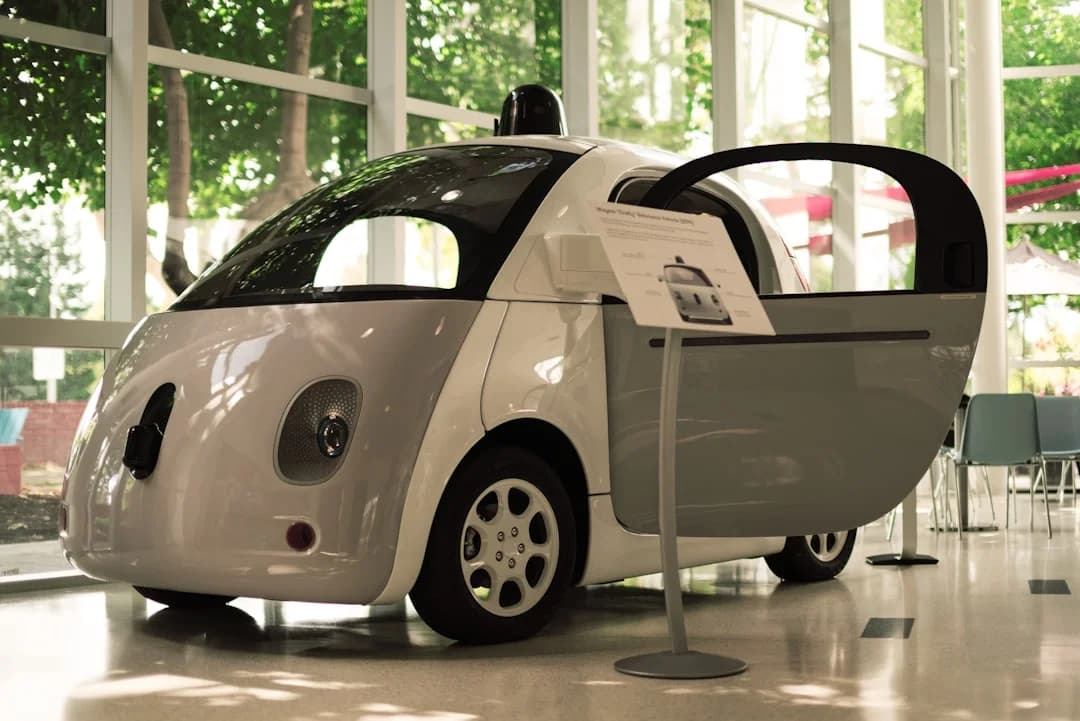
Photo by Igor Shalyminov on Unsplash
The Bay Area is entering a defining period for transportation technology as autonomous mobility Bay Area 2026-2027 unfolds with a flurry of announcements, pilots, and strategic deployments. In January 2026, Waymo began offering robotaxi rides to and from San Francisco International Airport, marking a high-profile milestone in the region’s long-running experiment with driverless mobility. The move followed years of testing, regulatory negotiation, and public debate about safety, curb management, and the role of autonomous fleets in urban life. For residents, commuters, and visitors, the SFO airport rollout is more than a pilot project; it’s a signal of how driverless services could reshape a major travel hub, the surrounding neighborhoods, and the broader Bay Area transportation ecosystem. The January news came on the heels of a wave of 2026 announcements from other autonomous mobility players, hinting at a competitive but data-driven convergence around safer, scalable service models in one of the nation’s most complex urban environments. As the year progressed, San Francisco Bay Area readers saw expanded footprints from Zoox across the city and a cross-industry coalition-building effort around production-intent robotaxis tied to Uber, Lucid, and Nuro—an ensemble that points toward a multi-operator mobility future in the region. This evolving landscape is a focal point for SF Bay Area Times as we report with neutrality and a commitment to data-backed analysis. The overarching question for readers remains straightforward: how quickly will these deployments scale, what benefits and risks will accrue for riders and workers, and what governance structures will ensure safety, accessibility, and accountability in autonomous mobility Bay Area 2026-2027?
What Happened
Waymo brings robotaxi service to SFO, signaling a regulatory and operational milestone
Waymo’s decision to permit passenger rides to and from San Francisco International Airport on January 29, 2026 represented a watershed moment for the Bay Area’s autonomous mobility narrative. The airport service, described by multiple outlets as a major expansion, followed years of mapping, testing, and regulatory dialogue; it positions Waymo among a small group of services that have earned airport access in key markets. Industry observers emphasize that airport corridors amplify travel demand and create new data streams for performance, safety, and rider experience in real-world environments. The coverage around the SFO rollout highlights both the opportunities for seamless intermodal travel and the concerns raised by residents and city officials concerning traffic, curb usage, and incident reporting in high-traffic zones. As of late January 2026, Waymo’s SFO pilot was presented as a concrete step toward broader Bay Area deployment, with ongoing discussions about expansion, schedules, and rider eligibility. This development has been documented by major outlets, including the San Francisco Chronicle and TechCrunch, which reported the milestone and its context within Bay Area mobility trends. (sfchronicle.com)
Zoox expands its San Francisco footprint as part of a broader 2026 push
In March 2026, regional coverage intensified as Zoox announced a significant expansion of its robotaxi service within San Francisco. The company’s plan, described in multiple news accounts, effectively quadruples the geographic footprint for select riders and signals a deliberate move to scale beyond a pilot stage into more extensive daily operations. Local outlets framed the expansion as a competitive response to the multi-operator environment developing in the city, with analysts noting implications for traffic patterns, curb management, and rider access. Beyond SF, Zoox outlined a cross-market strategy that includes Las Vegas and planned launches in Austin and Miami, underscoring a broader push toward nationwide deployment. The announcements and subsequent coverage highlighted how the Bay Area could serve as a proving ground for operations at scale, with safety processes, vehicle design, and remote-assistance workflows under increasing scrutiny from regulators and the public. (sfchronicle.com)
Uber, Lucid, and Nuro reveal production-intent robotaxi plans for the Bay Area
Competing narratives and collaborations also emerged in 2026 as Uber signaled a robust Bay Area program anchored by a driverless robotaxi initiative developed in partnership with Lucid Motors and Nuro. The production-intent robotaxi concept introduced at industry events and reported by outlets covering CES 2026 indicated a plan to deploy in the San Francisco Bay Area later in 2026, with on-road testing already underway in late 2025. The announcements positioned Uber not merely as a test operator but as part of a broader ecosystem approach that integrates vehicle platforms (Lucid Gravity SUV) with autonomous driving technology and a diverse set of fleet-management and rider-experience features. Industry coverage emphasized that these efforts would unfold in a region already managing multiple live autonomous services, and that the Bay Area could emerge as a blueprint for multi-operator coexistence with standardized safety and data-sharing practices. (sfbayareatimes.com)
Cross-cutting context: a rapidly evolving regulatory and business landscape
The Bay Area’s autonomous mobility story in 2026-2027 is shaped by a broader national and global push toward scalable driverless mobility. Reported expansions by Waymo, Zoox, and Uber-embraced collaborations come against a backdrop of ongoing regulatory reviews and public dialogue about safety, equity, and workforce implications. Reports from major outlets indicate that Waymo’s operational footprint is expanding across multiple metropolitan areas, including San Francisco, with continued attention to safety investigations and compliance requirements. Analysts point to the Bay Area as a critical testbed where pilots intersect with policy decisions on data sharing, curbside management, and transit integration. While some coverage emphasizes the potential for reduced congestion and improved access, others stress the need for careful planning around first- and last-mile connections, affordability, and rider education. This balanced view is consistent with data-driven reporting that SF Bay Area Times and other outlets have pursued in 2026, as the region negotiates a new transportation normal under multiple corporate players and evolving technology. (apnews.com)
A closer look at the events that shaped early 2026
- Waymo’s airport access grant and subsequent operations in SF marked a pivotal shift from testing to passenger service in a highly visible corridor. The airport route provided a live, high-demand environment that tested demand forecasting, surge pricing, and access control in a way that other city-center corridors might not. The SF Chronicle’s January coverage and TechCrunch’s contemporaneous reporting provided complementary perspectives on what the SFO rollout means for rider experience, regulatory oversight, and neighbor considerations. (sfchronicle.com)
- Zoox’s SF expansion was framed as a strategic escalation in a city known for its public-safety and mobility debates. Journalistic outlets captured the implications for commuters, city planners, and the broader Bay Area ecosystem as Zoox sought to demonstrate scale and reliability in a real urban setting. The Los Angeles Times and SF Chronicle provided closely aligned narratives about the expansion’s scope and its potential ripple effects on transit patterns and urban life. (latimes.com)
- The Uber-Lucid-Nuro collaboration and the CES 2026 showcase highlighted industry-wide efforts to commercialize production-intent robotaxi platforms. Coverage underscored that this is a multi-party effort, not a single-company push, with potential implications for vehicle fleets, service economics, and rider experiences in the Bay Area and beyond. The reporting from Axios, TechCrunch, and Prism News helped illustrate the ecosystem dynamics at play as Bay Area readers monitor the next generation of autonomous mobility. (axios.com)
Why It Matters
Impacts on riders, businesses, and city life
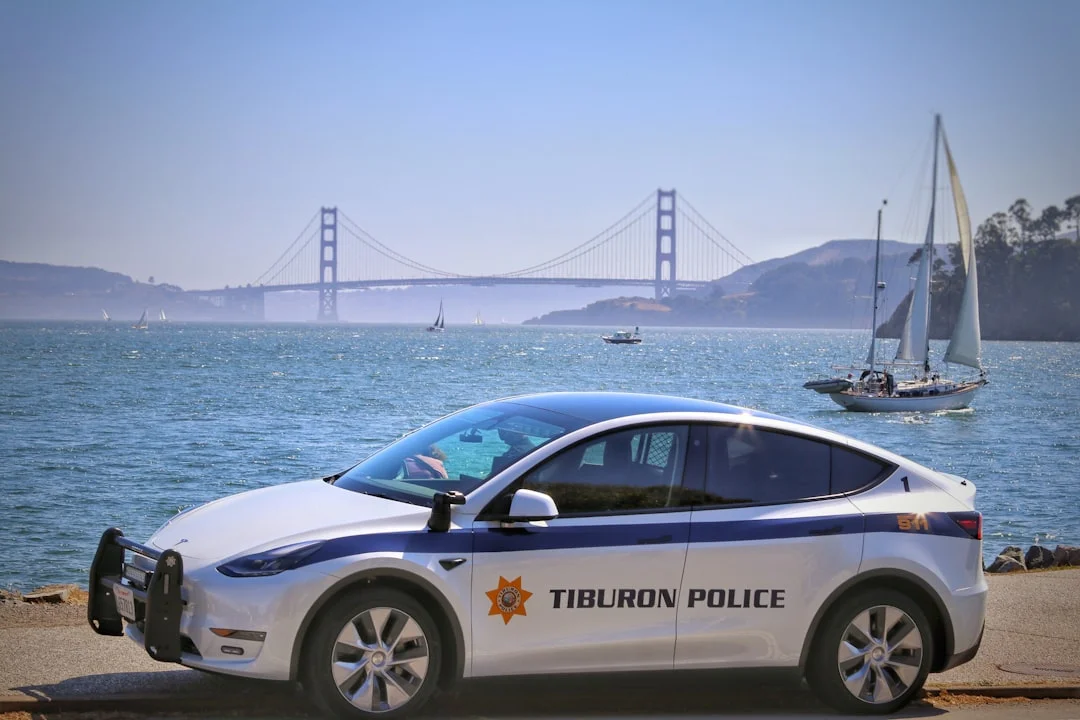
The wave of announcements in early 2026 surrounding autonomous mobility Bay Area 2026-2027 is poised to reshape rider choices and travel behavior. For residents and visitors, the presence of multiple robotaxi services expands options for first- and last-mile trips, airport connections, and late-night mobility. But it also raises questions about pricing, accessibility, and fair access across neighborhoods with varying transit needs and infrastructure. Observers point to the Bay Area’s density, complex traffic patterns, and the region’s mix of dense urban cores and suburban corridors as a unique proving ground for service reliability and user experience. The SFO airport rollout, in particular, illustrates how a high-traffic, time-sensitive environment can stress-test route planning, pickup logistics, and rider verification processes. Analysts caution that the benefits of reduced wait times and improved access must be weighed against potential disruptions to curb activity, increased competition for limited parking and pickup zones, and the need for clear in-app policies that protect rider privacy and safety. The coverage surrounding these topics emphasizes the region’s ongoing balancing act between innovation, safety, and equity. (sfchronicle.com)
Safety, accountability, and regulatory considerations
With the Bay Area hosting multiple players, safety and accountability become central concerns. News reports have documented incidents, investigations, and ongoing regulatory reviews in various markets, underscoring the importance of robust safety cases, clear incident reporting, and auditable data-sharing practices. The narrative in 2026-2027 thus far suggests that regulators will continue to require transparent performance data, robust remote-assistance protocols, and evidence of effective responses to edge cases in busy urban environments. Articles highlighting safety investigations and regulatory updates in the Bay Area and other markets illustrate the conversation about how to scale autonomous mobility while preserving public safety and public trust. While pilots aim to demonstrate consistent, safe operation, the sector’s trajectory depends on measured, transparent progress and the establishment of standards that can guide cross-market operations. (apnews.com)
Economic implications and workforce considerations
The emergence of multi-operator autonomous mobility in a dense region like the Bay Area carries potential economic effects, including new revenue flows for operators, ancillary service providers, and technology partners, as well as shifts in traditional driving jobs and related industries. Analysts emphasize that the economics of robotaxi services depend on fleet utilization, cost of capital, maintenance, insurance, and rider demand dynamics, all of which are under active refinement as pilots scale. While some observers forecast meaningful productivity gains and new consumer value propositions, others caution that the financial models remain sensitive to regulatory cost structures, insurance requirements, and the pace at which fleets can achieve sustainable utilization in varied urban contexts. The Bay Area’s role as a high-visibility, high-constraint market makes it a natural focal point for evaluating these economic dynamics, with businesses and policymakers watching closely how deployment costs translate into consumer prices and service quality across neighborhoods. (sfbayareatimes.com)
The Bay Area as a global testbed for multi-operator mobility
Looking beyond single-company deployments, observers view the Bay Area as a critical testbed for how multiple autonomous mobility providers coexist, share data responsibly, and coordinate with city services. The region’s mature tech ecosystem, dense transit networks, and strong regulatory scrutiny create a rigorous environment for evaluating safety protocols, rider education, and curb management at scale. The convergence of Waymo, Zoox, Uber/Lucid/Nuro collaborations, and other players in the region highlights a shared interest in demonstrating that autonomous mobility can complement existing transit systems, reduce friction in urban travel, and deliver reliable options for people who may otherwise rely on personal vehicles. As coverage has noted, the SF Bay Area’s experience could influence how other cities approach deployment, policy frameworks, and public communication about driverless mobility. (sfchronicle.com)
What's Next
Timeline milestones to watch in 2026–2027
- Early 2026: Airport-focused deployments, initial regulatory approvals, and live rider experiences in selected corridors in San Francisco and nearby airports, with ongoing safety reviews and performance metrics published by operators and regulators. Waymo’s SFO service is a touchstone for how airport access can scale within a major metropolitan area. (sfchronicle.com)
- Spring 2026: Expanded footprints for Zoox in San Francisco, with planned cross-market moves into Las Vegas and other cities. The expansion aims to demonstrate the scalability of a purpose-built robotaxi architecture in varied urban environments, setting the stage for broader commercial service in 2026–2027. (sfchronicle.com)
- Summer 2026: Cross-industry collaborations and fleet-formation announcements, including production-intent robotaxi concepts and related investments, as Uber, Lucid, and Nuro move closer to real-world deployment in the Bay Area and other markets. Industry outlets were tracking CES 2026 showcases and subsequent pilots that materialize in late 2026. (techcrunch.com)
- Late 2026 to 2027: Scaling pilots toward broader commercial service, with more neighborhoods and airports included, and refinements to safety, pricing, and accessibility. By this period, observers anticipate a more complex, multi-operator mobility ecosystem that could shape municipal policy, curb use strategies, and rider incentives. The regulatory and market signals from 2025–2026—plus ongoing reporter coverage—provide a baseline for evaluating how quickly full-scale commercialization might occur in the Bay Area and whether new markets will mirror, accelerate, or diverge from the Bay Area’s model. (axios.com)
What to watch in 2026–2027: technology, policy, and user experience
- Safety and reliability metrics: Expect operators to publish more granular safety data as fleets expand, including incident counts, disengagement rates, and remote-operator intervention metrics. The industry’s emphasis on safety is not only a regulatory requirement but a core driver of consumer trust and adoption. Journalists and researchers will scrutinize how well multi-operator fleets manage edge cases, navigate dynamic urban environments, and maintain passenger safety in high-demand corridors like airport access lanes and entertainment districts. (sfchronicle.com)
- Curb management and city collaboration: As robotaxis proliferate, city agencies will experiment with curb usage policies, staging areas, and dynamic pickup zones. The Bay Area’s experience will likely influence curb management standards that balance accessibility for riders with the needs of pedestrians, cyclists, and traditional transit. Readers should expect reporting on permits, geofencing, and collaboration frameworks that govern where and when rides can pick up and drop off. (techcrunch.com)
- Consumer accessibility and pricing: With multiple operators in play, riders could experience a broader set of pricing structures, app interfaces, and in-vehicle experiences. Analysts will watch for price parity or divergence among providers and how subsidies, promotions, or service tiers influence usage patterns across neighborhoods with varying transit access. The Bay Area’s diverse geography makes it a natural laboratory for testing how price sensitivity translates into modal choices and equity outcomes. (sfchronicle.com)
- Cross-operator interoperability and data sharing: A critical area of focus will be how competing providers share performance data, safety findings, and curb-management information in ways that support safer and more efficient operations without compromising competitive advantage. Readers should expect ongoing coverage of regulatory guidance and industry standards as the ecosystem matures, shaping how data can be used to inform city planning and rider protections. (apnews.com)
Rider guidance and public information for 2026–2027
- How to prepare for rides: As the Bay Area expands autonomous mobility offerings, riders should be aware that robotaxi experiences can vary by provider, route, and time of day. For those new to driverless services, prepare for app-based onboarding, verification steps, and potential variations in pickup points. Authorities and operators emphasize safety training, rider etiquette, and clear in-app guidance to ensure a smooth experience across multiple services in the same city. The airport corridor deployments are likely to receive the most attention in the near term, offering a practical entry point for riders new to this mode of travel. (sfchronicle.com)
Comparative analysis: what Bay Area readers gain from multiple operators
The presence of multiple players—Waymo, Zoox, and Uber/Lucid/Nuro collaborations—adds depth to the Bay Area’s autonomous mobility landscape. Consumers benefit from more options, potentially shorter wait times, and competition that could drive service improvements. Regulators and researchers gain from broader data sets on performance, safety incidents, and operational logistics that come from a diversified fleet mix. For the Bay Area, this multi-operator dynamic can accelerate learning about integration with existing transit networks, urban planning, and public safety protocols. At the same time, the region faces the challenge of ensuring equitable access, avoiding market fragmentation, and maintaining public trust as services scale beyond pilot stages into daily life. The year 2026–2027 is therefore not just about individual deployments; it is about the Bay Area carving out a framework for responsible, data-informed growth in autonomous mobility. (techcrunch.com)
What’s Next: a closer look at the path forward for readers
Timeline to watch and potential inflection points

The coming months will likely reveal a series of inflection points that affect riders and local stakeholders:
- Regulatory milestones and permitting decisions that determine where and when robotaxi fleets can operate, how they interact with existing transit, and what reporting obligations are placed on operators.
- Expansions of service footprints in San Francisco and neighboring counties as operators demonstrate reliability and safety across more neighborhoods and traffic conditions.
- The introduction of cross-operator policies or standards for curb usage, rider verification, and data sharing that could ease the friction of multi-service use.
- Public engagement initiatives that address concerns about safety, privacy, accessibility, and affordability, ensuring that the benefits of autonomous mobility are accessible to a broad cross-section of Bay Area residents.
The Bay Area’s ongoing role as a mobility innovation hub
The Bay Area’s status as a technology and transportation hub means its autonomous mobility experiments will remain under scrutiny by policymakers, industry observers, and the riding public. The region’s experience in balancing innovation with safety and equity will be watched by cities around the world as they consider similar deployments. This cycle of pilots, expansions, and policy refinement will likely shape not only local mobility but also the global trajectory of how autonomous services are integrated into daily life. The public, regulators, and industry players should anticipate continued reporting on performance trends, urban planning implications, and the social dimensions of driverless mobility in 2026–2027. (apnews.com)
Closing
As autonomous mobility Bay Area 2026-2027 continues to unfold, readers should expect ongoing updates about service expansions, safety developments, and the day-to-day experiences of riders navigating a city that sits at the forefront of transportation technology. Waymo’s SFO airport rollout, Zoox’s SF footprint expansion, and Uber/Lucid/Nuro’s production-intent robotaxi program collectively illustrate a region moving toward a more diverse and more data-driven mobility ecosystem. The Bay Area will likely host a mix of pilots and deployments that test new business models, curb-management strategies, and inter-operator coordination, all while preserving a commitment to safety and public accountability. For those who rely on transit in the Bay Area, these developments promise more options and, with careful oversight, a smoother, more connected travel experience in the years ahead. Stay tuned to SF Bay Area Times for ongoing coverage as new milestones, safety updates, and policy developments emerge from the evolving autonomous mobility landscape.