
AI Protests San Francisco July 2026: Data-Driven Update
A neutral, data-driven analysis of the AI protests in San Francisco during July 2026, including a detailed timeline, impact, and policy context.
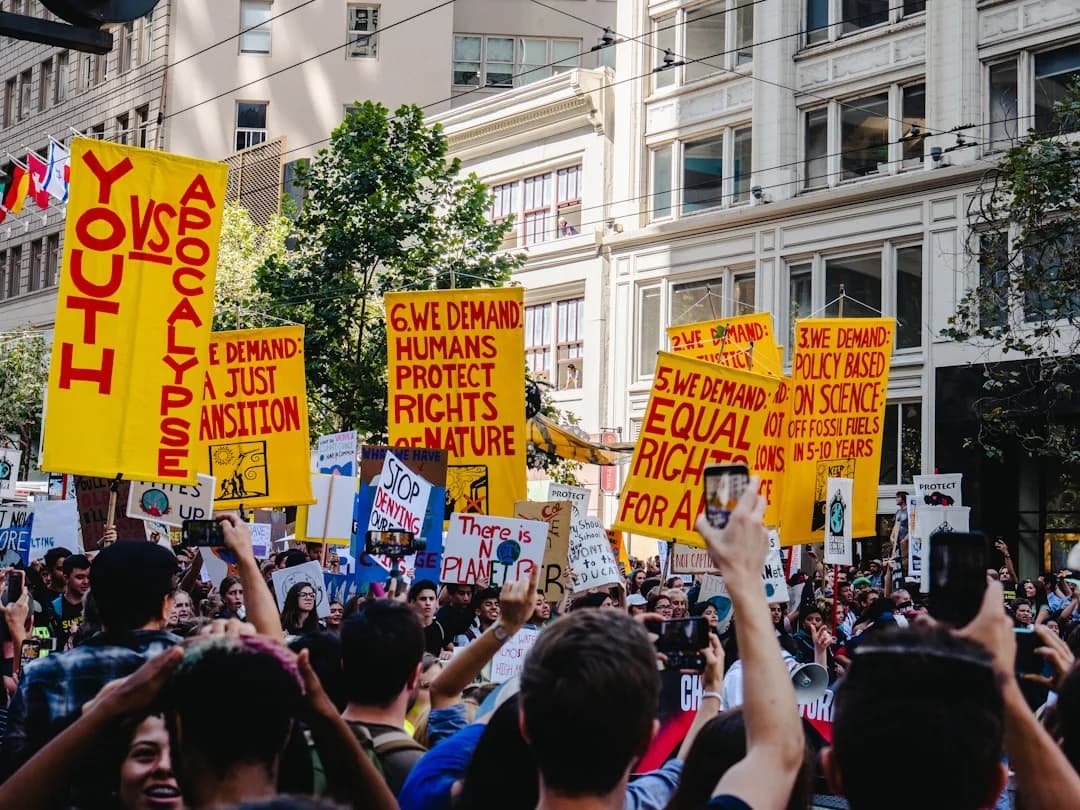
The Bay Area newsroom has been abuzz with events centered on technology’s rapid evolution, and July 2026 brought a high-profile public airing of concerns around AI development. AI protests San Francisco July 2026 unfolded as demonstrators gathered to call for greater regulation and a pause in frontiers of AI training, focusing attention on the practices of OpenAI, Anthropic, and Google DeepMind. The timing and location, rooted in San Francisco’s status as a hub for AI research and startup activity, amplified debate about the social and economic implications of accelerating AI capabilities. For readers tracking technology and market trends, this movement offers a case study in how public sentiment intersects with corporate strategy and policy considerations. The protests also highlight the city’s broader concerns about housing affordability, employment transitions, and the environmental footprint of data-intensive AI infrastructure. This article presents a data-driven view of what happened, why it matters, and what to watch next, grounded in reporting from local and national outlets and, where applicable, official statements.
In the wake of a weekend of public demonstrations, SF Bay Area residents and businesses are weighing the short-term disruptions against longer-term questions about governance and responsible AI development. The July 2026 SF protests are part of a wider national and international conversation about how the tech sector should pace its AI initiatives, how governments should respond, and how communities can participate in shaping policy. As the movement has evolved, organizers have cited a mix of concerns—from housing market pressures linked to tech growth to questions about safety, ethics, and the societal impacts of increasingly capable AI systems. The following sections synthesize what happened, why it matters for the Bay Area economy and policy environments, and what comes next as both industry leaders and policymakers respond to public input.
What Happened
Event Kickoff and Participants
Public coverage confirms that a significant public demonstration occurred in San Francisco on Saturday, July 11, 2026, drawing hundreds of participants who gathered outside leading AI labs before moving through the city to protest the pace and scope of AI development. Reports describe a crowd inclusively drawn from students, professionals in AI research, local residents, and others concerned about rapid deployment of high-capacity AI systems. The demonstrators carried signs with messages such as “stop the AI race” and “pause AI,” and some participants traveled considerable distances to join the event. The overall turnout has been described in multiple independent outlets as roughly two hundred people, underscoring that even well-organized demonstrations in San Francisco can mobilize a broad cross-section of the community. This turnout and composition were documented by The San Francisco Chronicle and corroborated by other outlets reporting live coverage of the rally. (sfchronicle.com)
A central organizer identity emerged in local reporting: Stop the AI Race, an advocacy group led by activist and former AI researcher Michaël Trazzi. The organizers framed the rally as an appeal for a global pause on AI development, articulating a set of conditions under which current models would remain available but new training runs of frontier models would be halted until broader safeguards and governance mechanisms could be established. The involvement of Stop the AI Race and its messaging were highlighted across Chronicle coverage, with direct quotes illustrating the sense of urgency conveyed by the movement. An important contextual note is that the crowd’s energy ranged from mission-driven calls for policy action to more symbolic expressions, including costumes and street theater, reflecting a diverse array of tactics used by modern protest movements surrounding technology. (sfchronicle.com)
Route and Demands
The SF rally’s route featured a planned procession from OpenAI’s Mission Bay campus to Anthropic’s downtown offices and then to Google DeepMind’s local presence, a sequence that captured attention for illustrating the focal points of the AI industry’s Bay Area footprint. Organizers and attending reporters described the march as a coordinated demonstration inviting the tech companies to engage publicly on issues of safety, transparency, and governance—and to pause the development of more powerful AI systems until corresponding safeguards are in place. The route and the explicit demand for a pause on new training align with broader discussions in national outlets that documented similar demonstrations and collective calls for regulatory action. The Standard and Mission Local provided vivid, on-the-ground accounts of the march’s dynamics, including street closures and the involvement of local authorities in maintaining order during the procession. (sfstandard.com)
Organizers and Local Response
What began as a city-focused demonstration quickly connected with a wider set of voices in the tech and policymaking communities. The demonstrations drew attention to questions about rent pressures, housing affordability, and the environmental footprint of AI infrastructure—topics frequently cited by local officials and community advocates as connected to the tech industry’s growth in the Bay Area. In interviews and coverage, participants emphasized not only the moral and technical concerns about AI development but also the practical implications for local residents who experience the consequences of rapid urban and economic change in a high-cost city. In addition to the main rally, organizers and participants noted parallel activities—such as hunger strikes or targeted stand-ins outside company offices in other cities—that framed the SF protests as part of a broader, global conversation about AI governance. The Chronicle’s reporting highlighted quotes from participants articulating concerns about AI’s impact on housing and employment, reinforcing the view that the protests intersect with local policy debates about how to balance innovation with community well-being. (sfchronicle.com)
“Protests can only do so much,” said Aleesa Carbo, a Johns Hopkins University student and AI researcher, reflecting a pragmatic tone that governance and public awareness can catalyze broader political action. The remarks captured in Chronicle reporting underscore the sense that public demonstrations can serve as a catalyst for legislative attention and voter engagement, even as participants acknowledge the complexity of achieving tangible regulatory outcomes. (sfchronicle.com)
Timeline and Key Facts
- July 11, 2026: Public demonstrations take place in San Francisco with a turnout described as approximately 200 participants, who begin at OpenAI’s Mission Bay campus and proceed to Anthropic and Google DeepMind. The event is organized by Stop the AI Race, with calls for a coordinated pause on AI model training and for greater regulatory guardrails. The day’s reporting emphasizes both the immediacy of the protest and its symbolic reach, connecting the local protes ts to ongoing debates about AI’s societal impacts. (sfchronicle.com)
- July 11–12, 2026: Independent outlets, including The San Francisco Standard and Mission Local, publish follow-up coverage detailing the march’s progression, sign messages, and participants’ testimonies, helping readers understand the protest’s themes and the organizers’ framing. The Standard’s piece, published on July 11, 2026, provides a close look at the event’s visuals, chants, and the broader context within which participants positioned their demands. (sfstandard.com)
- July 12, 2026 (date used by Reuters Connect reporting): A concise, third-party description confirms a roughly 200-strong crowd and reiterates the organizers’ call for a pause on new AI model training, highlighting the event’s location sequence and the diverse composition of attendees. Reuters Connect’s asset emphasizes the closure of streets and the call for regulatory action, reflecting a national frame around the Bay Area demonstration. (reutersconnect.com)
Why It Matters
Economic and Housing Impacts in the Bay Area
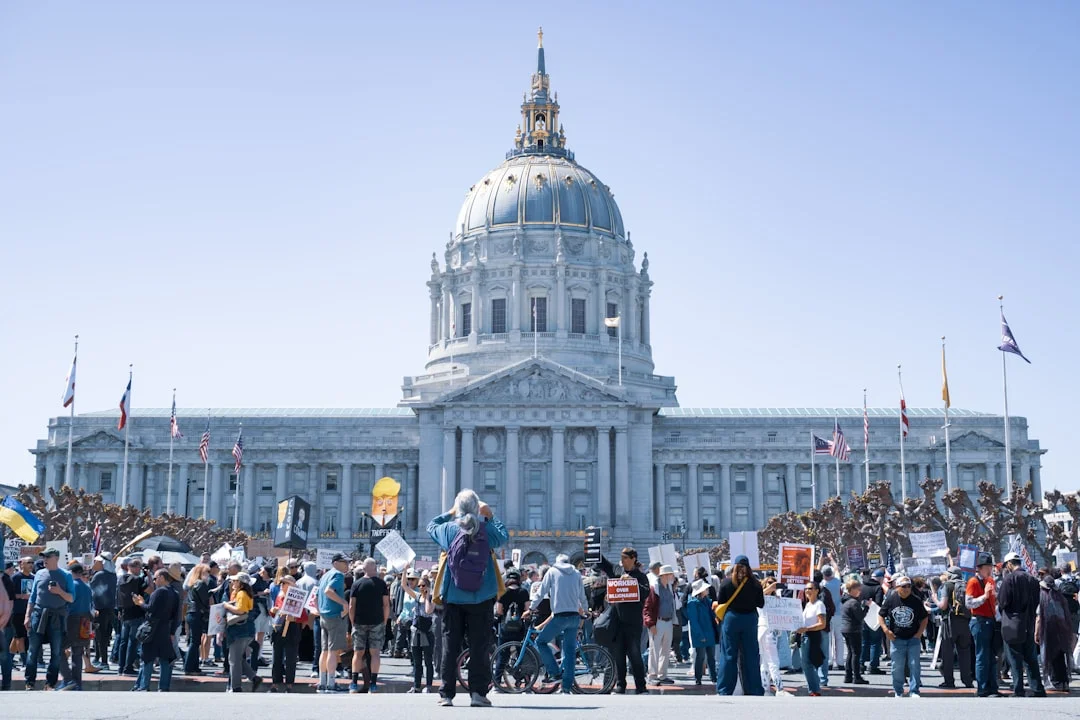
The Bay Area’s unique economic structure—dominated by high-tech industries, venture capital investment, and dense urban housing markets—means that developments in AI policy and public sentiment around technology can reverberate through housing costs, labor markets, and local business environments. Public figures and residents cited by local coverage point to a perceived link between rapid AI-enabled growth and rising rents and housing prices. The Chronicle quotes a city official and local residents articulating concerns about a “trophy” mindset among tech leaders who view San Francisco as an asset to be leveraged, with accompanying effects on rents and job markets. This framing situates AI policy debates within the broader context of urban affordability and the social contract between tech firms and the communities that host them. It also points to the tension between innovation-driven economic activity and the lived realities of residents who face housing stress in one of the country’s most expensive metropolitan regions. (sfchronicle.com)
Beyond housing costs, observers highlight potential employment transitions as AI systems scale. Protests foreground worries about job displacement, especially for workers in sectors most exposed to automation and AI-enabled workflows. While the protests themselves do not quantify job losses, the rhetoric reflects a shared concern among labor groups, tech workers, and community advocates that rapid AI advancement could reshape labor markets before adequate retraining opportunities or wage protections are in place. This concern is echoed by participants who describe the AI race as an existential threat to certain job categories, and by local reporters who frame the issue within Bay Area policy discussions about workforce development and economic resilience. The debate thus sits at the intersection of technology, labor economics, and urban planning, inviting policymakers to consider both innovation incentives and social safety nets in parallel. (sfchronicle.com)
Policy and Regulatory Context
Public discussions around the SF protests are not occurring in a vacuum. The broader policy ecosystem—both in California and in federal forums—has shown renewed interest in AI governance, including calls for transparency, safety protocols, and international coordination on AI limits. Local voices in the Chronicle article reference the desire for more robust regulatory guardrails at the city and state level, with some participants expressing a preference for direct municipal action such as licensing, safety audits, or restrictions on high-risk AI deployments within city limits. The San Francisco context is particularly relevant because it sits at the intersection of AI development, venture capital, and local governance, making it a focal point for regional policy experimentation. While the protests explicitly call for a pause on new training, the coverage also documents a spectrum of opinions, from calls for federal or international agreements to more incremental state and city-level measures. This wide spectrum of policy positions illustrates how a local episode can illuminate broader governance questions about AI. (sfchronicle.com)
Independent reporting also highlights the international dimension of the issue. The Chronicle notes conversations about a potential global pause, referencing prior interviews and public statements by leaders in the AI field and by organizers’ advocacy materials. While there is no universal consensus, the emphasis on global coordination underscores the recognition that AI development presents cross-border implications and may require harmonized approaches to safety, ethics, and accountability. These cross-border considerations are relevant for Bay Area stakeholders who operate globally and must navigate regulatory expectations in multiple jurisdictions. (sfchronicle.com)
Public Discourse and Industry Implications
Media coverage across multiple outlets has framed the SF protests as part of a broader public dialogue about the trajectory of AI. The tone in local reporting ranges from urgency and concern to calls for constructive policy engagement, reflecting a mature media environment that seeks to balance the perspectives of technologists, policymakers, labor advocates, and residents. The Standard’s narrative, for example, describes the march as a high-energy demonstration with a parade-like atmosphere, while the Chronicle emphasizes the risks and trade-offs that the movement is seeking to highlight. This dual framing—of risk awareness and the search for governance solutions—mirrors the broader industry discourse that recognizes both the transformative potential of AI and the need for safeguards and accountability. For Bay Area readers, the coverage provides a snapshot of how public protests can intersect with corporate strategy, investor sentiment, and regulatory timelines, potentially shaping near-term market expectations around AI investments, regulatory risk, and public acceptance of AI-enabled products and services. (sfstandard.com)
“We are in an emergency,” Michaël Trazzi stated to the crowd during the march, invoking a sense of urgency that reflects the protest’s strategic aim to catalyze policy attention. The quote, captured in Chronicle coverage, helps readers understand the movement’s rhetoric and the way organizers seek to convert public energy into political momentum. As readers weigh the implications, such quotes illustrate how activists frame the tech race as a public policy challenge rather than a purely corporate or technical competition. (sfchronicle.com)
What’s Next
Next Steps for Regulators and Companies
The SF Bay Area’s AI policy conversation is likely to continue evolving in the weeks and months following July 2026. Regulators may reference public demonstrations as part of a broader consultative process, seeking input from residents, workers, and businesses about how to design guardrails that balance innovation with safeguards. For technology companies, the events underscore a growing expectation that public sentiment and local regulatory considerations will influence project roadmaps, risk assessments, and governance practices. Analysts watching technology and market trends may interpret sustained public attention as a signal that investors and customers are increasingly sensitive to how AI development aligns with social responsibility and regulatory expectations. The precise policy outcomes will depend on legislative deliberations, court decisions, and international discussions, but the Bay Area protests have already contributed to a climate in which public input is considered more relevant to AI strategy than in the past. (sfchronicle.com)
Upcoming Protests and Monitoring
Public-interest venues and local media organizations have signaled ongoing interest in monitoring AI policy developments and any further demonstrations that may emerge in San Francisco or the wider Bay Area. Coverage across outlets such as Mission Local and The San Francisco Chronicle indicates a pattern of continued public engagement with AI governance topics, supported by the fact that several stakeholders—ranging from community advocates to venture-backed AI labs—are watching how policy narratives evolve. The presence of public demonstrations can influence the tenor of regulatory debates, including discussions about transparency obligations for AI systems, alignment with safety standards, and the potential for industry-wide accords on responsible AI development. Readers who follow technology market trends should remain attentive to announcements from city and state officials, as well as any statements from major AI labs about governance initiatives, safety commitments, and potential pauses in certain activities as policy conversations proceed. (missionlocal.org)
What This Means for SF Bay Area Markets and Tech Reporting
The July 2026 AI protests in San Francisco offer a lens into how public sentiment can intersect with the economics of a technology-driven region. For readers of the SF Bay Area Times, the event underscores several themes that are central to technology and market trends:

Photo by Mauro Lima on Unsplash
- The Bay Area remains a focal point for AI development and public dialogue about its direction, with demonstrations highlighting the social dimensions of rapid technological change. The movement reinforces the idea that industry activity, housing markets, and urban policy are increasingly interconnected when it comes to AI’s footprint in the region. (sfchronicle.com)
- Public events around AI governance can influence investor perceptions and corporate strategy, particularly for labs and startups with high public visibility and dependence on environmental and regulatory conditions. The presence of local protests, media attention, and regulatory discussions contribute to a broader risk-adjusted thinking among market participants, potentially shaping near-term funding, partnerships, and public-facing communications. (sfstandard.com)
- The SF Bay Area’s policy environment could evolve in response to public input, with potential implications for how AI labs plan their local operations, workforce development initiatives, and engagement with city and state authorities. While the precise policy outcomes are not predetermined, the protests’ emphasis on pause-era governance—alongside local statements about housing and urban development—signals that governance questions will stay at the forefront of public discourse. (sfchronicle.com)
As the Bay Area continues to navigate these dynamics, readers should expect ongoing coverage that blends data-driven analysis with real-time developments on AI’s social and economic footprint. The SF Bay Area Times will monitor policy proposals, corporate statements, and community perspectives to provide timely, neutral reporting that helps readers understand what’s changing, who’s affected, and how stakeholders are adapting to a rapidly evolving AI landscape.
Closing
The July 2026 AI protests in San Francisco highlighted how public concern around AI development can intersect with local policy considerations and broader societal questions. While demonstrators called for a pause on advancing AI capabilities, they also underscored the need for governance that protects workers, communities, and the environment while preserving the benefits of innovation. For Bay Area residents, businesses, and policymakers, the events reinforced the importance of sustained dialogue, transparent reporting, and evidence-based decision-making as the technology landscape continues to evolve. As the movement evolves and regulatory conversations proceed, SF Bay Area Times will continue to provide data-driven coverage that informs readers while seeking to present balanced perspectives from industry stakeholders, policymakers, and community voices. Stay tuned for updates as next steps unfold and as the public policy conversation around AI governance in the Bay Area—and beyond—continues to advance.