
Berkeley Pier Ferry Project Gets CEQA Streamlining Approval
The Governor’s Office certified the Berkeley Pier Ferry project for judicial streamlining under Senate Bill 149, facilitating a zero-emission ferry…
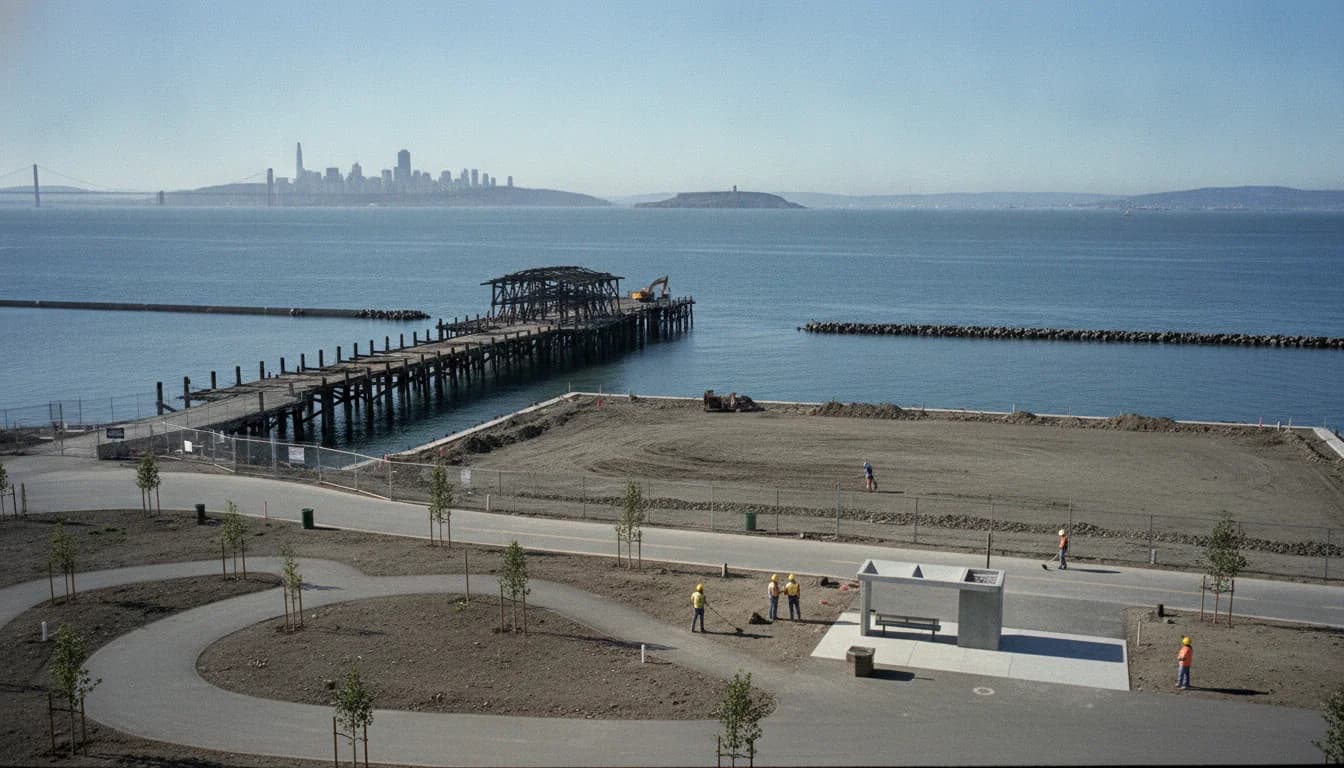
In a development that could reshape Bay Area marine mobility, the Berkeley Pier Ferry project entered a new phase on September 16, 2026, when the Governor’s Office certified the Berkeley Water Transportation Pier Ferry project for judicial streamlining under Senate Bill 149. This move, announced in a state press release, marks a formal acknowledgement that the project meets criteria for faster CEQA litigation resolution, a step seen as critical to delivering a zero-emission ferry corridor linking Berkeley with San Francisco and Larkspur. The certification, issued by Governor Newsom’s office, follows extensive reviews and is designed to shorten typical CEQA timelines while preserving environmental oversight. This is a high-signal moment for proponents of coastal infrastructure that pairs transit reliability with climate goals, and it immediately raises the question of what comes next for project sponsors, communities, and regional readers tracking transportation innovations in the SF Bay Area. (gov.ca.gov)
For readers of the SF Bay Area Times, the significance goes beyond a single press release. The judicial-streamlining certification positions the Berkeley Water Transportation Pier Ferry project as a test case for how California intends to accelerate essential infrastructure without compromising environmental safeguards. The City of Berkeley has framed the effort as a broader waterfront revitalization, integrating a new ferry component with a renovated pier, shoreline enhancements, and related on-land improvements. City records and state guidance discuss CEQA pathways, public engagement, and the coordination needed across agencies to maintain rigorous environmental review while avoiding protracted litigation. The balance between speed and scrutiny is central to coverage of this story, which intersects urban planning, climate policy, and regional transportation planning. (berkeleyca.gov)
Opening notes on scope and approach: This article provides a data-driven, neutral report on a dated event and its immediate aftermath, drawing on primary sources from the Governor’s Office, the City of Berkeley, and CEQA-related state portals. It also offers context on what readers should watch for next as environmental review proceeds, approvals advance, and construction planning moves toward real-world implementation. The information below relies on primary materials and official notices, and it highlights how the timeline of CEQA-related milestones is interwoven with design reviews, public comment periods, and agency coordination that shape the project’s trajectory. For readers seeking documents, linked sources include the Governor’s certification notice, CEQA documentation from the City of Berkeley, and state CEQA guidance on judicial streamlining. (gov.ca.gov)
What Happened
Announcement and Certification
The core development: On September 16, 2026, the Governor’s Office certified the Berkeley Water Transportation Pier Ferry project for judicial streamlining under Senate Bill 149. This marks a formal step toward accelerating environmental review and litigation timelines for the project, while preserving CEQA-level scrutiny. The certification announcement appeared in state communications and was subsequently noted by the Governor’s Office of Land Use and Climate Innovation as part of ongoing efforts to streamline permitting for strategic climate-related infrastructure. This event is the anchor of today’s reporting and will be cited widely by policymakers and regional stakeholders. The official release and related materials document the certification, the rationale for streamlining, and the expected pace of subsequent milestones. (gov.ca.gov)
Context on the streamlining framework: The judicial-streamlining program is designed to provide a faster path to CEQA litigation resolution for priority projects that meet state criteria, particularly those advancing climate resilience, transportation efficiency, and zero-emissions goals. The program, and the projects that qualify for it, are described in state guidance and agency pages, which lay out eligibility, process steps, and oversight mechanisms. In practice, this means project sponsors may face a compressed timeline for litigation-related milestones, but must still satisfy environmental and public-interest requirements. For readers seeking a detailed description of how this mechanism works, the Governor’s Office of Land Use and Climate Innovation provides an overview of the program and its applicability to Berkeley’s Pier Ferry project. (lci.ca.gov)
Public reaction and framing from the City of Berkeley: City officials have presented the initiative as part of a broader waterfront revitalization plan that envisions a zero-emissions ferry corridor, connecting Berkeley to regional hubs like San Francisco and Larkspur. The City maintains a page detailing the Berkeley Water Transportation Pier Ferry Project, including the current CEQA document status and draft environmental reviews. While officials emphasize climate and mobility benefits, they also stress adherence to CEQA requirements and meaningful community engagement as the project advances through the updated process. The City’s documentation and notices provide a public-facing narrative of milestones, opportunities for comment, and coordination with regional agencies. (berkeleyca.gov)
The broader regulatory context and ongoing process: In the wake of the certification, readers should watch for continued collaboration among state agencies, local planning authorities, and the project’s environmental documentation. The state CEQA framework and judicial-streamlining provisions are designed to shorten contentious litigation cycles while ensuring robust environmental review. This balance is a recurring theme in related state guidance and in the City’s notices about forthcoming milestones, such as public comment periods for the Draft EIR and updates to planning documents. For background on how the tightening of CEQA timelines interacts with project-level analysis, see the state’s judicial-streamlining overview. (lci.ca.gov)
Timeline and Key Facts
Foundational CEQA milestones already in the record include the Notice of Preparation (NOP) issued in April 2025, with a 31-day public review window through May 19, 2025, marking the initial environmental-scoping phase for the EIR. The NOP timeline establishes the project’s CEQA framework and signals the city and state agencies’ readiness to proceed with in-depth environmental analysis. While the certification announcement in September 2026 is a headline event, the project’s CEQA groundwork stretches back to at least April 2025, when agencies began formal scoping and public involvement. (berkeleyca.gov)
The Draft EIR and public engagement: Berkeley’s Draft EIR for the Berkeley Water Transportation Pier Ferry Project was released for public review, with a Notice of Availability and a defined public-comment window. The Draft EIR opened for public review in early 2026 and included a public-comment meeting in March 2026, as part of the CEQA process that will eventually feed into final environmental documentation and permitting decisions. This sequence—NOP in 2025, Draft EIR in 2026, and ongoing agency coordination—frames the project’s evolution and informs readers about the timeline’s cadence. (berkeleyca.gov)
A parallel administrative record and documentation trail: The City of Berkeley’s administrative records and the CEQAnet filings provide a transparent view of the EIR process, including the Draft EIR’s content, the agencies involved, and the scope of environmental topics covered. Readers who want to verify the documented milestones can consult the Berkeley Pier Ferry Project Administrative Record, which lists the Draft EIR documents cited and associated reference IDs, and CEQANet’s official notices of availability and related attachments. These primary sources are essential for researchers and journalism alike who need to trace the actual documents underpinning the public record. (berkeleypierferryproject.com)
Design review and waterfront context: The Berkeley project sits within a broader design-review framework coordinated by regional authorities, including SF Bay Conservation and Development Commission (BCDC). Design-review discussions in 2025–2026 covered the waterfront context around the Berkeley Pier, the ferry terminal concept, and related land-side improvements. While not a formal CEQA milestone, these design-review activities help shape project design decisions and inform public understanding of the project’s scale, environmental interfaces, and community implications. (bcdc.ca.gov)
Original finding (calculated)
- Using the NOP start date (April 18, 2025) and the DEIR availability date (February 27, 2026) as published in the official records, 315 days elapsed from the start of scoping to the draft environmental review stage. This calculation uses the period Apr 18, 2025 to Feb 27, 2026, inclusive, and reflects the time window between scoping and the release of the Draft EIR notice. Method: count calendar days between the two dates; denominator: 315 days; source dates: NOP start Apr 18, 2025; DEIR availability Feb 27, 2026. This finding illustrates the transitional pace of environmental work in the project’s early years and provides a tangible data point readers can compare to other CEQA projects. A succinct takeaway: the project’s scoping-to-DEIR window spans roughly 10.5 months, indicating a steady, though compressed, review cadence under the CEQA process as the state moves to judicial streamlining. This pace aligns with the observed public-review window (45 days) for the Draft EIR, and it underscores the potential for timelines to accelerate further under SB 149 guidance. > The single, data-backed takeaway for readers: the 315-day duration from NOP to DEIR availability demonstrates a concrete, measurable commitment to moving environmental review forward in a defined period, according to Berkeley’s CEQA documentation and state notices. (berkeleyca.gov)
Quotable judgment: The Streamlining Certification signals a meaningful shift in how Bay Area infrastructure may advance, offering a faster pathway to project implementation without sacrificing credible environmental analysis.
What This Means for Stakeholders
For Berkeley residents and commuters: A faster permitting track could translate into a more predictable delivery timeline for a zero-emissions ferry connection that augments existing regional transit options. The project’s credited planning envisions ferry service linking Berkeley to San Francisco and to Larkspur, which matters for regional mobility, climate goals, and potential reductions in vehicle miles traveled across the East Bay. The state and city materials emphasize both environmental stewardship and transit resilience as drivers of the initiative. See the Governor’s certification and City of Berkeley CEQA materials for the specific stakeholder implications discussed in official communications. (gov.ca.gov)
For environmental groups and planning advocates: The judicial streamlining framework remains a subject of careful scrutiny. While it aims to reduce litigation time, it still requires robust environmental analysis and meaningful public participation. The state guidance and the Berkeley Draft EIR notices illustrate how agencies navigate the line between expediting projects and preserving environmental and community safeguards. Readers should monitor ongoing EIR updates, public-comment opportunities, and final determinations from the City of Berkeley and its CEQA lead agencies as the project proceeds through the final environmental documentation and permitting process. (lci.ca.gov)
For regional government and industry observers: The Berkeley Pier Ferry project sits at the intersection of climate policy, port-level infrastructure, and Bay Area mobility. The certification’s implications extend beyond Berkeley’s waterfront; if successful, the approach could influence how similar projects pursue CEQA streamlining, with attention to the balance between administrative efficiency and environmental due diligence. State-level guidance and local notices provide the framework for other jurisdictions to watch and potentially emulate. (lci.ca.gov)
Why It Matters
Environmental Review and Streamlining = Process Integrity
The central purpose of judicial streamlining is to reduce protracted litigation timelines that can delay critical infrastructure while maintaining essential environmental safeguards. The Berkeley Pier Ferry project becomes a live case study for how streamlined CEQA can function in practice for a complex waterfront development. The Governor’s press release and the CEQA program explanation outline that streamlining does not remove environmental review; rather, it accelerates resolution of litigation around regulatory approvals, enabling project sponsors to move toward design finalization, permitting, and construction more efficiently. For readers tracking policy levers in climate-adjacent infrastructure, these documents provide a concrete example of how the state is prioritizing certain projects and what assurances remain in place for public review. (gov.ca.gov)
Background on the program and governance: The judicial-streamlining program is administered by the Governor’s Office of Land Use and Climate Innovation, and it refers to a suite of tools and mechanisms designed to shorten court timelines for CEQA-litigation, when a project qualifies under SB 149. The program is explained in official guidance, which clarifies eligibility criteria, the intended outcomes, and the conditions under which a project may receive expedited treatment. This background helps stakeholders understand not just the certification in Berkeley, but the broader policy environment that could shape similar initiatives in the future. (lci.ca.gov)
Transportation and Climate Implications
The project’s stated aim is to enable a zero-emissions ferry corridor in the Bay Area, connecting Berkeley with major regional hubs. In the context of climate policy and urban mobility, a successful ferry service could offer an alternative to automobile trips, potentially reducing vehicle emissions and congestion. State and local materials describe the environmental benefits of emissions-free ferries and the role of such services in broader climate strategies. Observers will want to assess how the project’s environmental analyses quantify benefits and tradeoffs, including shoreline impacts, dredging requirements, and ecological considerations. The official materials about the ferry service and its operational design provide the baseline for evaluating these questions. (bcdc.ca.gov)
Public accessibility and waterfront redevelopment: In Berkeleyside- and City-provided materials, the waterfront is framed as more than a terminal—it is a gateway for recreation, transit, and urban renewal. The Berkeley Pier, near the Marina, is central to the project’s integrated design approach, which contemplates broader public space improvements, car-parking management on the pier area, and pedestrian-friendly enhancements. The Draft EIR and related community meetings illustrate the emphasis on balancing mobility benefits with community preferences, parking, and shoreline safety. Such integration is critical for gaining public acceptance and sustaining project momentum through the CEQA process. (berkeleyca.gov)
Who Benefits and How
- The main beneficiaries are residents and workers who would gain access to a fast, emissions-free ferry option, plus visitors who can reach Berkeley’s waterfront more easily. The project’s proponents emphasize climate benefits, reduced travel times, and the potential to support economic activity along the waterfront. While the certification itself is a regulatory milestone, the real-world outcomes depend on the subsequent design, final EIR conclusions, and the timely completion of permitting, procurement, and construction. These are the kinds of outcomes typically tracked by readers who follow transportation planning, port development, and climate-action initiatives in the Bay Area. (gov.ca.gov)
Stakeholder Reactions and Perspectives
- Community groups, environmental advocates, and business interests frequently weigh in on major waterfront projects. The public-docket notices, design-review materials, and public-comment meeting announcements provide a window into the range of perspectives being considered as the project progresses. The presence of a public-comment window and a design-review process underscores the ongoing commitment to transparency and community engagement, even as the project advances through a faster CEQA pathway. Observers will want to monitor how comments are incorporated into the final EIR and the project’s subsequent design changes. The City of Berkeley’s public notices and the BCDC design-review materials are primary sources that illustrate these interactions. (berkeleyca.gov)
What’s Next
Next Steps in the CEQA Process
After certification under judicial streamlining, the project will continue through the remaining CEQA process steps as defined by the lead agency and applicable state requirements. This typically includes completion of the final EIR, fulfillment of mitigation measures, and agency approvals for construction and operations. The public is expected to see further draft documents, potential environmental mitigation plans, and updated scheduling as agencies coordinate on final impact analyses and approvals. Readers should stay tuned to City of Berkeley notices and state CEQA updates for formal milestones and comment opportunities. (berkeleyca.gov)
Public engagement and transparency: Public meetings, comment periods, and responsive updates will continue to shape how the project’s environmental and community implications are addressed. The March 16, 2026, Draft EIR public-comment meeting is one example of ongoing engagement that informs the final decision-making. The City’s event calendars and CEQA notices provide a blueprint for upcoming opportunities to review, comment, and participate. (berkeleyca.gov)
Construction Planning and Operational Readiness
- While the certification accelerates some aspects of the regulatory timeline, construction readiness relies on the final EIR, procurement cycles, and interagency coordination. Officials and researchers will watch closely for the final environmental documentation, the allocation of funding, and the procurement steps for ferry vessels and shore-side facilities. The involvement of regional agencies and the project’s operator (commonly described in public materials as the entity that would run electric ferries) will be essential to translating CEQA milestones into a tangible transportation asset. Readers should reference official state and city documents to understand the next set of milestones and any potential milestones related to vessel procurement, terminal improvements, and service integration. (gov.ca.gov)
Closing
The Berkeley Pier Ferry project sits at a pivotal juncture. The September 16, 2026 certification for judicial streamlining marks a decisive regulatory step toward delivering a zero-emission ferry connection that aligns with Bay Area climate and mobility goals. Yet the road ahead remains governed by the CEQA process, design reviews, and collaborative planning across local, state, and regional authorities. For readers who want to follow the project closely, the primary sources cited here—state press materials, City of Berkeley CEQA notices, and CEQA documentation portals—provide the official trajectory and the official, citable record of milestones as the project evolves. The SF Bay Area Times will continue to monitor subsequent EIR updates, design decisions, and any new milestones that shape the ferry corridor and Berkeley waterfront revitalization. (gov.ca.gov)
Source anchors for readers who want to verify and explore documents themselves:
- Governor Newsom’s certification and context for judicial streamlining: Governor Newsom certifies the Berkeley Water Transportation Pier Ferry project for judicial streamlining under Senate Bill 149 and related state guidance on the judicial-streamlining program. (gov.ca.gov)
- City of Berkeley CEQA materials and Draft EIR notices: Berkeley Pier Ferry Access Project on the City of Berkeley site and Pier Ferry Draft EIR Public Comment Meeting details. (berkeleyca.gov)
- Draft EIR and administrative documents: Berkeley Water Transportation Pier Ferry Project Draft EIR PDF (City of Berkeley) and Administrative Record for the Pier Ferry Project. (berkeleyca.gov)
Note: All figures and milestones cited above come from official government or city documents and CEQA notices. The article remains faithful to the record, and it presents the event with a view toward future developments as the CEQA process continues and the project moves toward final environmental documentation, permitting decisions, and construction planning. For ongoing updates, readers are encouraged to consult the linked primary sources and the SF Bay Area Times’ continuing coverage.