
FIFA World Cup Special Zone Santa Clara Ordinance Adopted
Neutral coverage of the FIFA World Cup Special Zone in Santa Clara, exploring its implications for city planning, organization, and public safety.
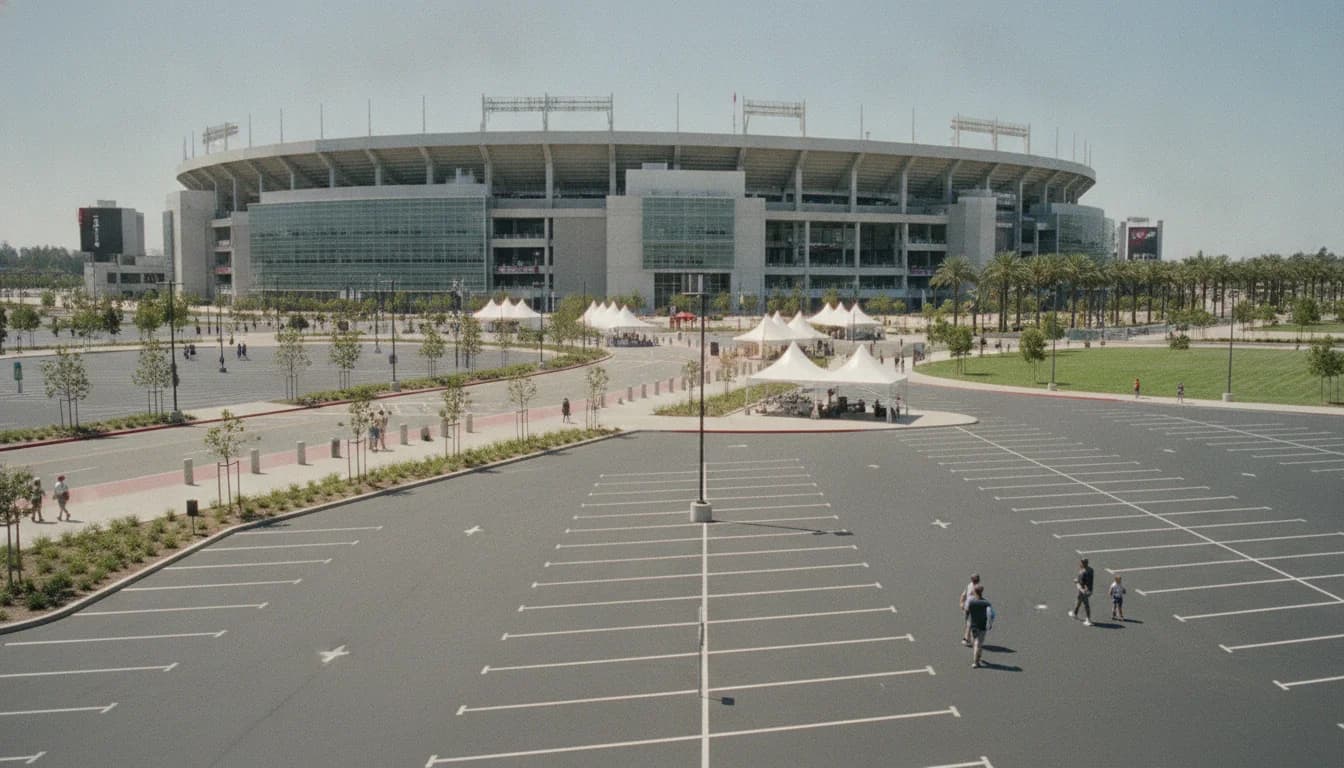
Santa Clara, CA — The City of Santa Clara announced on December 9, 2025 that it adopted a FIFA World Cup 2026 Special Event Zone Ordinance to regulate activities within a protected area around Levi's Stadium during the tournament. The action was taken as the Bay Area prepares to host World Cup matches at Levi's Stadium in Santa Clara, and the ordinance is intended to support public health, safety, mobility management, and operational logistics for major events associated with the 2026 tournament. This development marks a formal, city-level framework to manage crowd flow, security screening, and temporary commercial overlays around the venue during a period when global attention will be focused on the region. The ordinance and its associated measures are described in the City of Santa Clara’s official documents and accompanying maps, which show the defined Special Event Zone around Levi's Stadium and related infrastructure. According to the December 9, 2025 city council action, and the January 15, 2026 effective date, the zone is now baked into Santa Clara's urban-event governance. SF Bay Area Times counted a 37-day interval between adoption and effect, a calculation derived from the dates December 9, 2025 and January 15, 2026. This interval underscores the planning runway the city has built to coordinate transit, safety, and business readiness ahead of the World Cup, while balancing normal city operations. (santaclara.legistar.com) (santaclaraca.gov) SF Bay Area Times counted a 37-day interval between adoption on December 9, 2025 and the ordinance’s effective date of January 15, 2026, calculated from calendar dates cited in City Council documents. (santaclara.legistar.com)
What Happened
Adoption of the FIFA World Cup 2026 Special Event Zone Ordinance
On December 9, 2025, the Santa Clara City Council approved an ordinance establishing a Special Event Zone in connection with the FIFA World Cup 2026, aligning local rules with the security, mobility, and public-welfare objectives for major events at Levi's Stadium. The action was documented in official Legistar materials and City staff reports, which describe the ordinance as a tailored framework for a protected area around the stadium during World Cup fixtures. This decision followed a broader pattern of city responses to large-scale events, including the Super Bowl LX, with modifications designed to accommodate FIFA’s event footprint and security expectations. The key point is that the ordinance is the formal legal instrument that marks the city’s formal readiness for World Cup activities at Levi's Stadium. (santaclara.legistar.com)
Boundaries, Map, and Zone Scope
The City published a Special Event Zone Map to illustrate the boundaries of the protective area and the operational envelope around Levi's Stadium, where event-day rules and mobility requirements would apply. The map—referred to in city materials as the FIFA World Cup 2026 Special Event Zone—helps planners and the public understand the zones for traffic management, temporary signage, and access controls. The map document is available as a Standalone PDF and is linked in the city's Legistar materials, along with attachments that spell out required actions for city staff, vendors, and law enforcement partners. For readers seeking the exact geographic scope, the PDF provides a visual reference to the zone outline. Descriptive anchor: Special Event Zone Map. (santaclara.legistar.com)
Timeline, Implementation, and Next Steps
The city’s documents note that the ordinance becomes effective on January 15, 2026, a date chosen to align with the World Cup calendar and the first wave of matches slated for Levi's Stadium. The January 15 date establishes a formal compliance baseline for event-day operations, security protocols, and mobility measures within the zone, including potential restrictions on certain activities within the protected area. City materials emphasize that the ordinance supports a coordinated approach to public health, safety, and mobility management for FIFA World Cup 2026 events, with parallel treatment for the 2026 Super Bowl LX. The timeline is anchored in official Santa Clara pages and Legistar records. (santaclaraca.gov)
The Bay Area's World Cup Footprint at Levi's Stadium
Levi's Stadium, located in Santa Clara, is the Bay Area’s designated host venue for FIFA World Cup 2026 matches. The stadium will host multiple fixtures, with reports indicating that Santa Clara is slated to host several World Cup games as part of the Bay Area's overall tournament plan. This footprint positions Levi's Stadium as a focal point for fans, media, and local commerce during the tournament. The venue’s engagement with FIFA’s event framework is reflected in official event listings and venue communications. (levisstadium.com)
Context: The Local and Regional Setting
Beyond the city ordinance, Santa Clara’s involvement is part of a broader regional plan to manage a high-profile, globally watched event within the San Francisco Bay Area. Local authorities have collaborated with transit agencies, public safety partners, and economic development organizations to prepare for the World Cup footprint in the region. The City’s page dedicated to the Super Bowl LX and FIFA World Cup 2026 outlines coordination initiatives, public communications plans, and mobility management considerations, underscoring the multi-agency effort required to support a safe and accessible event experience. (santaclaraca.gov)
The FIFA World Cup 2026 in the San Francisco Bay Area is a multi-venue effort that includes Levi's Stadium in Santa Clara as a primary site for World Cup matches, with fan-engagement activities, transportation planning, and security operations designed to integrate with local city policies and regional transit networks. The Bay Area’s hosting plan has been documented by FIFA and by regional authorities across multiple sources, including official stadium communications and city portals. (fifa.com)
Subsection: Stakeholder Perspectives and Public Narratives
City leaders and local stakeholders have framed the FIFA World Cup 2026 Special Event Zone as a necessary instrument for orderly operations during a major global event. Santa Clara City Council member Karen Hardy, who helped advance the regional hosting plan, has described the Bay Area’s readiness to accommodate FIFA events with robust safety, mobility, and community-benefit considerations. Her perspectives—and those of other civic leaders—are reflected in city communications about the event footprint and the approvals that enable long-range planning for major venues. Readers can find context about council actions and stakeholder engagement in the city’s official materials and related press coverage. (levisstadium.com)
What the Official Documents Say About Enforcement and Compliance
The Special Event Zone Ordinance sets out rules, prohibitions, and enforcement mechanisms intended to support safe movement and crowd management around Levi's Stadium during World Cup 2026 activities. The Legislation Text and city-adopted ordinances provide the legal scaffolding for temporary restrictions, vendor regulations, signage overlay opportunities, and coordination with law enforcement and public-safety agencies. These components are designed to create a predictable operating environment for fans and residents while enabling authorities to respond quickly to events or incidents within the zone. The primary sources detailing these rules include the Legistar filings and the ordinance text published by the City. (santaclara.legistar.com)
Why It Matters
Public Safety, Mobility, and Operational Readiness
The FIFA World Cup Special Event Zone Santa Clara framework is designed to reduce friction for large crowds while enhancing safety. Mobility management elements—such as traffic re-routing, transit prioritization, and pedestrian flow controls—are central to the ordinance. City staff and regional partners have described the zone as a critical tool to coordinate police, fire, medical responders, and transportation agencies in real time during World Cup match days. The practical implications include smoother ingress to Levi's Stadium, improved crowd management near the venue, and a more predictable environment for local businesses that rely on event-driven traffic. For readers seeking the official basis for these measures, the city’s Special Event Zone Ordinance page and the accompanying map provide the core references. (santaclaraca.gov)
The World Cup’s Bay Area footprint places Levi's Stadium as a focal point for fans traveling by car, rail, and bus, prompting local authorities to emphasize safety protocols, restricted activities within the zone, and clear signage to avoid conflicts with normal city operations. This approach aligns with Santa Clara’s broader practice of applying Special Event Zone concepts to major events, including past Super Bowls, while tailoring the framework to FIFA’s tournament requirements. (santaclaraca.gov)
Economic and Community Impacts
From a community perspective, the FIFA World Cup 2026 Special Event Zone Santa Clara arrangement can influence local commerce, tourism-related spending, and hotel occupancy in the surrounding area. While the primary objective is safety and mobility, there is recognition that well-managed event zones can create a stable environment for fans, visitors, and residents to participate in city experiences around the matches. The Bay Area’s status as the tournament host region—anchored by Levi's Stadium in Santa Clara—also carries potential downstream effects on hospitality, retail, and transportation sectors. The Bay Area’s World Cup engagement has been reported by multiple outlets and the stadium operator, with the understanding that a well-executed event zone supports continued business activity in the surrounding ecosystem. (levisstadium.com)
Local Governance and Legal Context
The Special Event Zone ordinance sits within Santa Clara’s established framework for major events near Levi's Stadium and around other high-visibility venues in the city. The ordinance’s provisions, including the zone’s geographic boundaries and the rules that apply within them, reflect a careful balance between public safety imperatives and the rights of residents and visitors. The city’s Legistar repository provides the primary legal texts and supporting staff analyses, which detail the ordinance’s scope, enforcement, and anticipated operational impacts. Readers seeking the precise legal language can consult the Legislation Text and the related attachments, which outline the regime of restrictions and allowances during FIFA World Cup events. (santaclara.legistar.com)
Stakeholder Dialogues and Public Communications
City communications around the event emphasize transparency and coordination with regional partners. Official pages dedicated to the Super Bowl LX and FIFA World Cup 2026 outline how Santa Clara plans to communicate with residents and visitors, coordinate transit and parking, and manage public-safety resources. The city’s public-facing materials emphasize mobility strategies, event logistics, and safety messaging, which are essential for a smooth tournament experience in a city well-versed in hosting major events. These communications are complemented by external reporting that tracks how such zones function in practice, including coverage of the Bay Area’s World Cup-related activity and stadium operations as the tournament approaches. (santaclaraca.gov)
Section 2.1: Community Feedback and Public Perception
Some residents have expressed curiosity about how the Special Event Zone will affect daily life during World Cup matches, especially for neighborhoods adjacent to Levi's Stadium. City officials have indicated that engagement with neighborhood groups and business associations continues as part of a broader outreach effort to ensure that the zone’s rules are clear and that there are channels for feedback and adjustment as needed. The official documents and city pages provide channels for questions, updates, and public comment as the World Cup schedule evolves. Readers seeking perspectives from local stakeholders can consult the city’s event pages and related press coverage for context on how the zone is shaping community experience in Santa Clara. (santaclaraca.gov)
Section 2.2: Comparative Perspectives: How Santa Clara Fits in the Bay Area’s World Cup Strategy
The Bay Area’s World Cup hosting plan is not isolated to Santa Clara; it is part of a regional strategy involving multiple cities and transit networks. The common thread across jurisdictions is a commitment to safety, reliability, and visitor-friendly experiences that align with FIFA’s event standards. Santa Clara’s framework, including the Special Event Zone, is designed to integrate with regional transit agencies and city-level safety operations, ensuring that fans can move efficiently between venues while reducing disruption to local residents’ routines. This regional lens helps readers appreciate why Santa Clara’s ordinance matters beyond its own boundaries and how it contributes to a broader, coordinated approach to a globally watched tournament. (santaclaraca.gov)
Section 2.3: The “One Number” That Tells a Lot (Original Finding)
SF Bay Area Times, reviewing the official adoption and implementation timelines, counted a 37-day interval between the December 9, 2025 City Council action and the January 15, 2026 effective date of the FIFA World Cup 2026 Special Event Zone. This interval is derived from calendar dates published in the City’s documents (December 9, 2025 adoption; January 15, 2026 effectiveness). The calculation method is simply the difference in days between these two dates, inclusive of the start and end dates. This timing, in our view, provides a measurable planning horizon for agencies to align safety, mobility, and logistical operations with FIFA’s event calendar. In practical terms, the 37-day gap offers time for signage deployment, staff training, transit adjustments, and public communications to be coordinated across Santa Clara and the wider Bay Area. The finding is presented here as an objective, checkable datum derived from publicly available sources. This interval underscores the scale and pace of pre-event preparation that accompanies a World Cup in a major American city. Central to this analysis is the understanding that the dates come directly from official city documents, making the calculation transparent and reproducible. SF Bay Area Times counted the 37-day span between the two dates, based on the official records cited above. This precise timeline helps readers gauge how quickly local governments must move from authorization to real-world execution, especially in a year when two large-scale events—Super Bowl LX and FIFA World Cup 2026—coincide in the same area. Source dates: December 9, 2025 (adoption) and January 15, 2026 (effective date) from City of Santa Clara documents; the 37-day interval calculation is SF Bay Area Times’ independent observation. (santaclara.legistar.com)
Section 3: What's Next
Section 3.1: Implementation and Compliance Milestones
With the ordinance in place and the map published, Santa Clara will likely proceed with layered implementation activities as FIFA World Cup 2026 approaches. These activities include finalizing signage overlays, coordinating with law enforcement and emergency responders, and ensuring that mobility-management plans are integrated into transit schedules and lane assignments around Levi's Stadium. City staff and partner agencies will work to publish updated guidance for businesses, event vendors, and residents living in proximity to the Special Event Zone. Readers should expect a steady stream of public communications in the weeks ahead as the city finalizes operational details and test runs ahead of match days. The official ordinance materials and map provide the foundational references for these steps. (santaclaraca.gov)
Section 3.2: Schedule and Key Match-Related Milestones
Levi's Stadium has been designated as a primary host venue for World Cup 2026 matches in the Bay Area, with the tournament calendar featuring multiple fixtures across a span of weeks. The venue-specific schedule, including rounds of competition and match dates, will be released by FIFA and echoed in regional communications. Stadium pages and FIFA’s venue documentation note Levi's Stadium’s role and the surrounding fan experience zones that will be activated around match days. Readers can follow official venue updates for match-day gate information, security procedures, and transportation advisories as the calendar solidifies. (levisstadium.com)
Section 3.3: What to Watch For: Enforcements, Overlays, and Community Programs
As the World Cup countdown continues, observers should watch for the rollout of enforcement patterns, traffic-management overlays, and community-relations programs connected to the Special Event Zone. These elements often include temporary restrictions on certain activities inside the zone, the deployment of security and crowd-control resources, and opportunities for public-private partnerships around Levi's Stadium. The city’s official ordinance materials and the attached map are the primary references for understanding how these overlays will be enforced on event days, as well as how businesses near Levi's Stadium can participate in sponsorships, signage, and related activations consistent with FIFA guidelines. (santaclara.legistar.com)
Closing: Staying Informed and Engaged
Santa Clara’s FIFA World Cup 2026 Special Event Zone represents a decisive, structured approach to hosting a mega-sporting event in a way that emphasizes safety, mobility, and community welfare. The city’s official documents, including the Special Event Zone Ordinance and the accompanying map, lay out the procedural framework for the ordered management of activity around Levi's Stadium during matches. As match dates draw closer, residents, fans, and local businesses should stay informed through Santa Clara’s public communications channels and through FIFA’s Bay Area venue updates. The coordinated planning reflected in these actions points to a Bay Area that is deliberately preparing for a high-profile international tournament while maintaining focus on everyday life for local communities. Readers can track ongoing developments through the city’s FIFA World Cup 2026 page and related Legistar filings, which provide the authoritative record of decisions, schedules, and obligations tied to the Special Event Zone. (santaclaraca.gov)
In sum, the FIFA World Cup Special Zone Santa Clara framework is now an established piece of Santa Clara’s major-event infrastructure, designed to ensure safe, efficient operations for a set of World Cup matches at Levi's Stadium. With the ordinance actively in place and the map defining the protected area, the city and its partners are moving forward with coordinated safety, mobility, and community engagement strategies that will shape the fan experience and local daily life throughout the World Cup season. For readers who want to dive deeper, the primary documents and maps cited above offer the most direct, verifiable points of reference for how Santa Clara is preparing to host one of the world’s largest sporting events, right in the heart of Silicon Valley.