
San Francisco Launches OBAG Cycle 4 Funding Phase
San Francisco County Transportation Authority announces a call for projects under OBAG Cycle 4, allocating up to $48.66 million for transportation and…
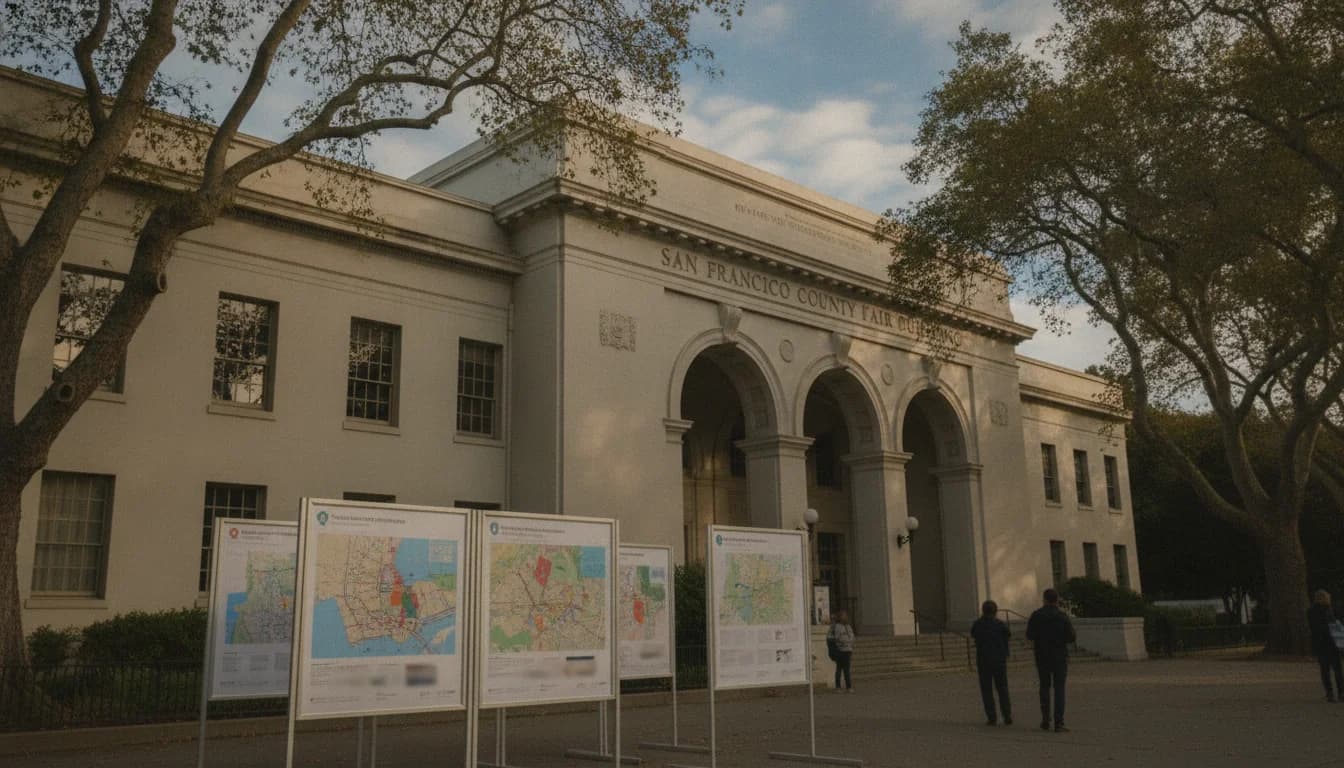
San Francisco’s transportation funding landscape is shifting as officials move OBAG Cycle 4 into its funding phase. The regional program, which directs federal dollars toward transportation and housing priorities across the nine-county Bay Area, has entered a critical milestone: a formal call for projects and a defined funding envelope for San Francisco. The local and regional processes run on a tight schedule, with applications and nominations shaping which projects advance over the next four years.
In April 2026, the San Francisco County Transportation Authority announced a call for OBAG 4 County Program projects totaling up to $48,660,000 for San Francisco over the four fiscal years spanning 2026 to 2029. This figure marks a concrete floor for local project nominations amid a broader OBAG 4 framework adopted by the Metropolitan Transportation Commission a few months earlier. The central fact driving coverage right now is simple: San Francisco’s OBAG 4 call for projects totals up to $48,660,000 for 2026–2029, announced by the San Francisco County Transportation Authority in April 2026. The figure and its timing come from SFCTA’s official program page, with the region-wide funding context provided by the MTC OBAG 4 documentation. (sfcta.org)
This story matters beyond a single funding cycle because OBAG 4 represents a mayoral and county-level alignment of federal dollars with growth targets in Priority Development Areas and Transit-Oriented Communities. The Bay Area’s approach to funding is designed to couple transportation improvements with housing and climate goals, a framework that will influence infrastructure choices across dozens of Bay Area jurisdictions through 2029 and beyond. The latest developments come as SF transit agencies and city partners prepare to nominate projects that can compete for a share of the OBAG 4 pool, with SF-specific decisions entering a regional evaluation pipeline that culminates in a regional commission’s funding recommendations. To understand the broader context, readers should view SFCTA’s OBAG program materials and MTC’s OBAG 4 overview.
The Bay Area is simultaneously watching the regional allocation scale and the local prioritization process. The OBAG 4 framework was adopted by the MTC in January 2026, establishing the overall funding envelope and governance structure for the cycle. This consensus-building step matters because it sets the rules, evaluation criteria, and funding distribution that guide local and county programs. In January 2026, MTC formally adopted the OBAG 4 framework, which informs how counties and cities partner to invest in transportation and land-use outcomes across the region. (es.mtc.ca.gov)
Section 1: What Happened
OBAG 4: A Quick Overview
- OBAG 4 is the fourth cycle of the One Bay Area Grant program, a long-running regional funding mechanism intended to implement Plan Bay Area priorities for transportation, housing, and the environment through coordinated local and regional investments. The program emphasizes projects that advance Priority Development Areas and Transit-Oriented Communities, aligning mobility with growth and equity goals across the Bay Area. The MTC describes OBAG 4 as a multi-year framework that integrates county and regional funding streams to support a cohesive implementation path for the region’s long-range plans. (es.mtc.ca.gov)
- In the Bay Area’s OBAG 4 context, the regional program totals hundreds of millions of dollars for the 2027–2030 period, with SF and other counties identifying specific project nominations that fit the regional criteria. The regional framework includes a mix of local and regional investments designed to improve connectivity, reduce emissions, and support development near transit. This approach is designed to ensure that dollars flow to projects with clear alignment to Plan Bay Area 2050+ objectives and to TOCs/PDAs as applicable. (es.mtc.ca.gov)
Timeline and key milestones
- January 2026: MTC adopts the OBAG 4 framework, establishing the regional and county funding structure for Cycle 4 and aligning with new policy directions for TOCs and PDAs. This adoption sets the playing field for all subsequent local calls for projects and nominations. (es.mtc.ca.gov)
- April 2026: SFCTA releases its call for OBAG 4 County Program projects for San Francisco, outlining a potential award pool of up to $48,660,000 for SF from 2026 to 2029 and inviting jurisdictions to submit eligible projects by a July deadline. This is the moment when SF begins the formal nomination process that will feed into the regional evaluation pipeline. The SFCTA page explicitly notes the four-year span and the SF-specific funding cap. (sfcta.org)
- July 7, 2026: Deadline for applications to SF’s OBAG 4 County Program call. Jurisdictions across San Francisco were asked to submit eligible projects by this date, setting the stage for subsequent regional review and prioritization. The SFCTA material ties directly to this submission window. (sfcta.org)
- September–October 2026: SF Transportation Authority and SFCTA leadership begin nominating projects consistent with the cycle’s governance standards, with subsequent items brought to the SFCTA board for approval and to MTC for regional scoring. The SFCTA blog coverage highlights the nomination process and the ongoing alignment with OBAG 4 requirements. (sfcta.org)
- Early 2027 onward: MTC’s Commission reviews recommended projects and determines the regional distribution of OBAG 4 funds, setting the stage for awards and the onset of projects funded under the 2027–2030 period. This stage is reflected in MTC materials and legistar postings that outline the adoption and implementation steps for OBAG 4. (mtc.legistar.com)
SF’s project nominations and notable guidance
- SFCTA’s ongoing updates show San Francisco’s Transportation Authority nominating projects for OBAG 4 funding and outlining how county and regional components interact. The SFCTA blog explicitly notes the Transportation Authority Board’s actions in nominating San Francisco projects for OBAG 4 funding, a key signal of local prioritization and alignment with regional criteria. These actions are part of the county program’s flow into the regional evaluation. (sfcta.org)
- The Bay Area’s local agencies—cities, counties, transit operators—are working within a common framework to ensure projects meet PDAs and TOCs criteria, with a 80% or higher emphasis on PDAs/TOCs in some program components (per accompanying guidance). While the exact distribution rules can vary by county, the overarching objective remains clear: funnel OBAG 4 dollars toward growth-centered, transit-supportive projects. Bay Area program guidance emphasizes the priority on PDAs/TOCs as a core evaluative criterion for funding decisions. (blog.bayareametro.gov)
Section 2: Why It Matters
The broader regional and local effects
- The OBAG 4 cycle is a pivotal mechanism for the Bay Area to translate federal dollars into tangible mobility, housing, and climate outcomes. By tying funding to PDAs and TOCs, OBAG 4 aims to accelerate dense, transit-oriented growth while improving safety and access. This has immediate implications for how SF prioritizes its street and capital improvement projects, from complete streets upgrades to transit stop enhancements. SFCTA’s materials emphasize the alignment with Plan Bay Area priorities, underscoring a data-driven approach to investment. (sfcta.org)
- The regional funding framework in OBAG 4, including the $820 million total regional program, provides a ceiling for the overall amount available to the Bay Area. This scale matters to SF as it competes with nine counties for a slice of the OBAG 4 funds, shaping the comparative value of SF projects and the potential cadence of improvements over the 2027–2030 period. The MTC overview notes that OBAG 4 money is allocated regionally as part of a coordinated strategy for transportation and housing with environmental considerations. (es.mtc.ca.gov)
- The program’s TOC Incentive Program demonstrates the Bay Area’s willingness to use dedicated dollars to push for denser, transit-oriented development. The Bay Area Metro Blog coverage describes a specific TOC component, including the incentive amount and the policy timeline, which illustrates how OBAG 4 can shape land-use policy and development patterns near transit hubs. This is a reminder that funding is not just about roads and rails; it’s also about guiding growth in ways that support long-term sustainability and equity. (blog.bayareametro.gov)
Impact on SF neighborhoods and regional equity
- The emphasis on PDAs and TOCs is especially relevant for neighborhoods around downtown corridors, BART/Caltrain stations, and newer growth nodes that have been identified as focal points for future development. By prioritizing proximity to transit and housing development near PDAs, OBAG 4 aims to mitigate displacement risks while delivering mobility improvements that benefit a broad cross-section of residents. SFCTA’s program framing explicitly ties the funding approach to PDAs/TOCs, indicating a targeted impact on areas with significant growth potential and transportation needs. (sfcta.org)
- Equity considerations are embedded in program guidance. MTC-adopted frameworks and related materials often include criteria that reward jurisdictions without PDAs or those with limited recent TDA funding, ensuring that the economic benefits of OBAG 4 reach a wider set of communities. This approach helps balance investment across the region and supports a more inclusive implementation path for the cycle. (mtc.legistar.com)
The role of local and regional governance
- OBAG 4 operates through a hybrid governance model that pairs county transportation authorities with the MTC’s regional oversight. San Francisco’s SFCTA, as the county transportation authority, is responsible for identifying SF’s priorities and submitting nominations to MTC, which then evaluates and allocates funds regionally. This structure means local decision-making has a direct influence on the region’s mobility outcomes, while still aligning with a regional plan and performance metrics. (sfcta.org)
- The governance approach also reflects a broader Bay Area strategy to align transportation funding with climate and equity goals. By connecting funding to PDAs and TOCs, the region aims to channel resources into areas that support denser, more walkable, transit-accessible communities, reducing vehicle miles traveled and greenhouse gas emissions over the OBAG 4 funding horizon. The MTC documentation frames these outcomes as central to the cycle’s purpose. (es.mtc.ca.gov)
Section 3: What’s Next
Timeline and upcoming milestones
- The July 7, 2026, deadline for SF OBAG 4 county project applications marks a key inflection point. After submissions close, SF agencies, in coordination with SFCTA, will prepare to advance project nominations to the regional review process. The SFCTA call for projects page clearly anchors this timeframe and the next steps for SF’s OBAG 4 County Program. (sfcta.org)
- In the months that follow, the nominations will be evaluated under regional criteria, and MTC will likely produce a recommended subset of projects to fund within the OBAG 4 framework. The legistar postings and MTC governance materials provide a window into the evaluation process and the timeline for Commission consideration. This step is essential because it translates SF’s local priorities into a regionally funded program that supports both mobility and housing objectives. (mtc.legistar.com)
What to watch for in SF and the wider region
- Project types and locations: Expect a mix of street improvements, safety projects, transit improvements, bicycle and pedestrian enhancements, and pedestrian-friendly infrastructure in PDAs and TOCs. SFCTA’s emphasis on PDAs/TOCs means many projects will target dense, transit-accessible corridors and neighborhoods, with emphasis on safety, access, and reliability. (sfcta.org)
- Equity and impact metrics: As the regional evaluation proceeds, observers should watch for how projects are scored on equity considerations, including benefits to historically underfunded communities and the degree to which investments support transit access in high-need areas. The OBAG 4 framework and accompanying guidance highlight these priorities as components of project evaluation. (mtc.ca.gov)
- TOC incentive program developments: The TOC Incentive Program, described in Bay Area Metro’s coverage, represents a policy lever within OBAG 4 to accelerate TOD near transit. Expect further funding rounds, policy updates, and applicant guidance that will influence which SF proposals gain momentum. (blog.bayareametro.gov)
Next steps for readers and local officials
- Jurisdictions will monitor the evaluation process and the Commission’s eventual funding decisions. Local agencies should continue aligning project concepts with PDAs/TOCs and Plan Bay Area priorities, ensuring proposals can meet the program’s eligibility and scoring criteria. The funding framework and administrative guidance published by MTC will guide these preparations as the cycle unfolds. (es.mtc.ca.gov)
- Public engagement and transparency: As with prior OBAG cycles, public engagement and clarity around project selection will be important, particularly for communities that anticipate direct benefits from funded improvements. SFCTA and SFCTA-related boards are expected to release additional project nominations and related analyses as the process advances. (sfcta.org)
Closing
The One Bay Area Grant Cycle 4 funding process illustrates how Bay Area jurisdictions are coordinating federal dollars with local growth and mobility priorities. While the SF call for projects amounts to up to $48.66 million for San Francisco over four years, this is only one piece of a much larger regional funding framework that totals hundreds of millions of dollars for 2027–2030 and centers on PDAs, TOD concepts, and climate-conscious transportation investments. The convergence of local nominations, regional evaluation, and policy guidance in 2026 and 2027 will determine which projects transform the Bay Area’s neighborhoods, improve mobility, and advance equitable development in the years ahead. Readers should stay tuned to SFCTA and MTC updates for the latest project lists, funding decisions, and implementation timelines as OBAG 4 moves from call for projects to funded reality.
For ongoing updates, consult the official pages from SFCTA and MTC:
- SFCTA’s OBAG program overview and the county call for projects (public-facing program details and SF-specific funding envelope). https://www.sfcta.org/funding/one-bay-area-grant-program
- MTC’s OBAG 4 funding framework and regional totals (official regional guidance and 2026 adoption notes). https://es.mtc.ca.gov/funding/federal-funding/federal-highway-administration-grants/one-bay-area-grant-4-obag-4
Additionally, readers can review SFCTA’s reporting on project nominations and funding actions as SF agencies push forward with OBAG 4 in the Bay Area:
- Transportation Authority Board Nominates San Francisco Projects for One Bay Area Grant Funding (SFCTA blog). https://www.sfcta.org/blogs/transportation-authority-board-nominates-san-francisco-projects-one-bay-area-grant-funding
- Bay Area Metro’s coverage of the TOC incentive program as part of OBAG 4. https://blog.bayareametro.gov/posts/mtc-launches-new-grant-program-encourage-transit-oriented-development