Calistoga Wine Festival Debuts August 15 at Brannan Center
Neutral, data-driven coverage of Calistoga Wine Festival 2026, highlighting technology trends and market implications for the wine sector.
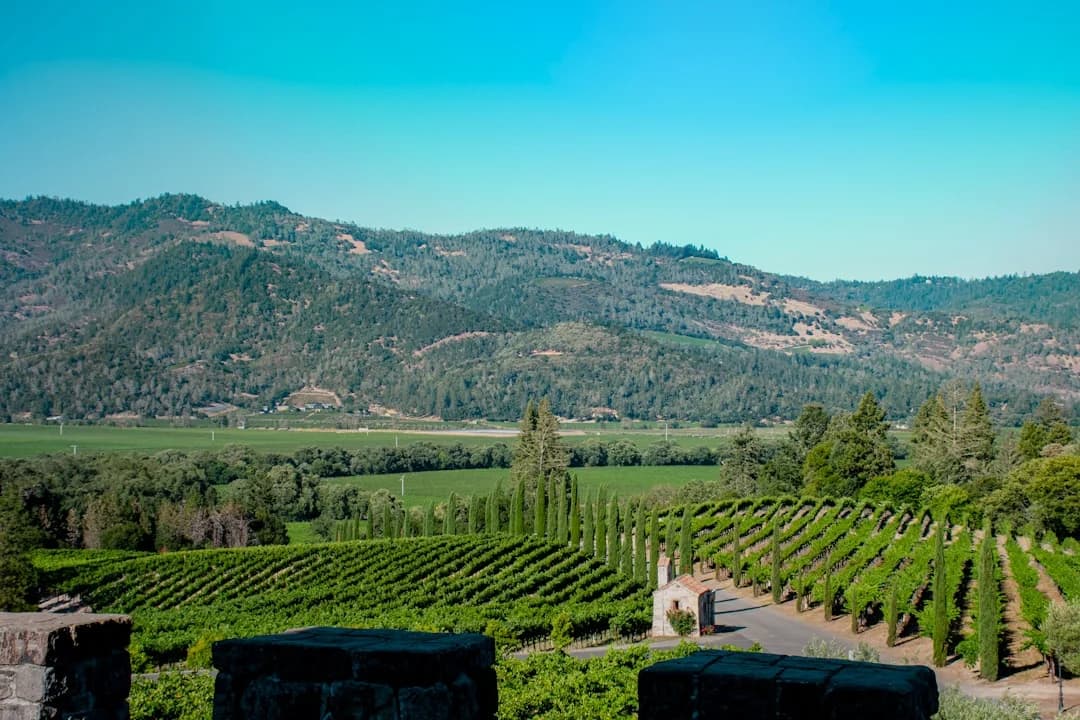
The Calistoga Wine Festival 2026 is on the calendar as an inaugural, in-person event designed to spotlight Calistoga AVA wines, elevate local hospitality, and bring a data-minded, tech-forward perspective to Napa Valley’s wine economy. Scheduled for Saturday, August 15, 2026, the festival will convene at the Brannan Center in Calistoga, uniting producers, hospitality partners, and wine enthusiasts in a program that blends live tastings with education, competition, and community outreach. Organizers describe the celebration as a milestone that ties Calistoga’s vineyard heritage to contemporary methods of evaluation, marketing, and consumer engagement, with proceeds directed to UpValley Family Centers, a local nonprofit focused on family support services. This opening moment arrives just as the wine sector accelerates its adoption of digital tools, data-driven decision making, and traceability technologies that shape how wine is produced, marketed, and consumed. The event’s emphasis on competition—Judgement of Calistoga—also ties the festival to a longer historical arc in California wine culture, echoing the famous Judgment of Paris moment that reshaped expectations for American wine. (visitcalistoga.com)
As the calendar turns toward mid-August, SF Bay Area readers will be watching not only the tasting floors but also the broader implications for wine tech, regional branding, and market dynamics. The festival’s organizer pages describe a multi-faceted program that includes an inaugural Calistoga AVA Wine Evaluation on July 15, 2026, culminating in the Awards Ceremony and Grand Public Tasting on August 15, 2026. This timeline creates a structured arc from evaluation to public celebration, providing data points that outlets across the Bay Area can reference when reporting on Calistoga’s evolving wine ecosystem. In presenting Calistoga Wine Festival 2026, reporters will need to contrast traditional wine competition formats with a contemporary emphasis on transparency, pedagogy, and community benefit. (calistogawinefestival.com)
Section 1 — What Happened
Event Details and Date
The inaugural Calistoga Wine Festival 2026 is set for August 15, 2026. The Brannan Center, a venue in Calistoga, will host the festival, according to multiple organizers’ listings and venue pages. The Brannan Center is described as the event site with capacity and logistical notes that align with a festival of this scale, including spaces suitable for live tastings, seminars, and audience-driven activities. This date—Saturday, August 15, 2026—appears consistently across official pages and third-party aggregators, underscoring the festival’s planned single-day focus in mid-August. The event is positioned as the centerpiece of Calistoga’s wine celebration that weekend, with additional ancillary programming and opportunities for attendees to engage with Calistoga AVA wines and local culinary offerings. (calistogawinefestival.com)
The Judgement of Calistoga Competition
A centerpiece of the festival is the Judgement of Calistoga, a competition designed to showcase Calistoga AVA wines through a structured tasting and judging process. The competition is framed as part of the festival’s public-facing program, with judges evaluating wines from participating Calistoga wineries. The event is described as a historic nod to California’s winemaking heritage while simultaneously highlighting modern evaluation practices and market-readiness considerations. The Judgement of Paris connection—referenced in local coverage as a 50th-anniversary moment in wine history—positions Calistoga as a region conscious of its heritage while pursuing contemporary visibility on the global stage. Attendees can expect a tasting schedule that pairs wine evaluation with educational components and opportunities to meet winemakers in a public setting. (visitcalistoga.com)
Timeline and Key Milestones
The festival’s organizers have laid out a clear two-part timeline: first, the Calistoga AVA Wine Evaluation on July 15, 2026, which serves as a precursor to the main event; and second, the Awards Ceremony and Grand Public Tasting on August 15, 2026. This sequencing creates a formal structure for judging, feedback, and public engagement, with the public tasting acting as a capstone to a week-long series of conversations about Calistoga wine quality, regional identity, and consumer perception. The July event date is confirmed on the wineries’ communications hub and supporting pages, which emphasize the connection between the evaluation and the festival’s main tasting. In addition, the festival is described as an inaugural event—not a recurring annual festival—highlighting its prospective role as a catalyst for ongoing Calistoga wine programming and industry collaboration. (calistogawinefestival.com)
Venue and Access
The Brannan Center is the focal point for the main festival day, and multiple listings confirm the venue’s involvement. The center’s listings and partner pages describe the space’s role in hosting events of this scale, including capabilities for staged tastings, seminars, and guest services. The Brannan Center’s own pages emphasize its role as a hub for community events, education, and performances, aligning with the festival’s mixed program of tastings and education. Access logistics, including on-site registrations, tasting pavilions, and vendor layouts, are typically described in the Brannan Center’s event listings and partner communications, which align with the festival’s public-facing schedule. (brannancenter.org)
Beneficiaries and Community Impact
A notable facet of the Calistoga Wine Festival 2026 is its charitable component. Proceeds from the festival are directed to UpValley Family Centers, a nonprofit organization serving northern Napa County. This alignment suggests that the event is designed not only to celebrate wine but also to support local families and community services—an angle that reporters can highlight when covering the festival’s introductory year. The charitable aspect is reflected in Visit Calistoga’s coverage, which emphasizes the festival’s community benefits alongside its wine-centric programming. (visitcalistoga.com)
Section 2 — Why It Matters
Market and Economic Context
Regional Branding and Economic Moment
Calistoga’s launch of an inaugural wine festival in 2026 sits within a broader pattern of Napa Valley’s ongoing efforts to balance prestige with broader accessibility. Industry observers note a year of significant market activity and evolving consumer behavior in premium wine markets, influenced in part by shifting consumption patterns and the adoption of digital tools to reach consumers. The Silicon Valley Bank (SVB) 2026 State of the US Wine Industry Report and related coverage highlight ongoing dynamics in premium wine markets, including spending trends, questions of demand, and the role of consumer behavior in shaping strategy for producers and retailers. These macro trends provide a backdrop for Calistoga’s festival as a case study in how a small, highly regarded AVA brand positions itself in a changing market. (prnewswire.com)
The 50th Anniversary Motif and Industry Attention
The festival’s framing around the 50th anniversary of the Judgement of Paris (1976) adds a layer of historical resonance to its market impact. This anniversary connection situates Calistoga’s event within a narrative of watershed moments in American wine that continue to influence consumer perception, export opportunities, and media coverage. Coverage of the festival notes this historical tie, which can amplify media attention and investor interest in Calistoga wineries seeking to leverage a historic milestone into contemporary market momentum. (visitcalistoga.com)
Technology and Digital Engagement Trends in Wine Festivals
Beyond the festival’s own programming, the wine industry’s broader trajectory toward technology and digital engagement is well documented in academic and industry literature. Recent research emphasizes the impact of digital traceability tools, QR codes, data analytics, and AI-enabled customer experiences in wine marketing, distribution, and consumer interactions. These sources point to a sector-wide shift toward data-driven decision-making and enhanced transparency as consumers seek provenance, authenticity, and tailored experiences. For reporters covering Calistoga Wine Festival 2026, these trends offer a lens through which to interpret festival elements such as wine evaluation methodologies, educational seminars, and potential digital engagement strategies at the event. Several studies and reviews published in 2026 discuss the role of blockchain, QR codes, and data analytics in wine supply chains and consumer facing applications, underscoring a broader, technology-enabled transformation that aligns with the festival’s forward-looking posture. (link.springer.com)
Industry Health Indicators
Industry analysts continue to monitor the health of the U.S. wine market amid a complex set of pressures, including shifting consumer preferences and supply chain dynamics. The 2026 industry reports emphasize both the resilience of premium wine segments and the need for producers to adapt to changing demand patterns and distribution channels. This context informs the significance of Calistoga Wine Festival 2026 as a localized barometer of how a high-profile wine region is navigating market changes, talent development, and consumer engagement in a year of notable industry recalibration. (prnewswire.com)
Audience and Stakeholder Impact
Local Producers and Hospitality Partners
For Calistoga’s winemakers and hospitality operators, the festival represents an opportunity to showcase products to a broader audience while testing new formats for consumer interaction. The event’s educational components, seminars, and public tastings align with a trend in wine marketing that prioritizes experiential learning and consumer education as a differentiator in a crowded marketplace. The festival’s coalescence around the AVA concept—Calistoga AVA—creates a platform to highlight terroir-specific attributes and to articulate a distinct regional identity. As coverage points out, this kind of branding work can translate into increased visitation, longer stays, and more robust collaboration among wineries and supporting businesses. (calistogawinefestival.com)
Community and Nonprofit Partners
For UpValley Family Centers, the festival’s fundraising dimension emphasizes community benefit. Local coverage highlights the charitable angle, which can strengthen public perception of Calistoga as a destination that contributes to social programs. In the broader reporting, philanthropy tied to cultural and culinary events is increasingly common, and the Calistoga festival’s framework aligns with that trend by allocating proceeds to a local service organization. This facet may shape how media outlets frame the festival in terms of social impact and civic partnership. (visitcalistoga.com)
Media and Public Perception
From a journalism standpoint, the festival’s mix of competition, education, and charity creates multiple narrative threads: a data-driven evaluation of local wines, a celebration of regional identity tied to a historic milestone, and a demonstration of Calistoga’s ongoing role in Napa Valley’s wine economy. Reporters can look for insights from participating wineries, judges, and educators to illuminate how Calistoga is balancing tradition with innovation. The availability of July 15’s AVA evaluation and August 15’s grand tasting provides natural milestones for pre-event coverage, live-event reporting, and post-event analysis. (calistogawinefestival.com)
Section 3 — What’s Next
Timeline and Upcoming Milestones
Following the August 15 festival, stakeholders will likely focus on post-event dissemination of results, prize announcements from the Judgement of Calistoga, and a recap of the educational sessions and seminars. The festival’s organizers are positioned to publish evaluation outcomes, panel highlights, and guest experiences that can shape ongoing marketing and educational strategies for Calistoga wines. The July 15 AVA evaluation milestone will have already generated notes, feedback, and data points that wineries can leverage for product development, branding, and direct-to-consumer outreach in the months that follow. Reporters should track any official releases from Calistoga Wine Festival organizers and Brannan Center partners in the days after the event for primary-source confirmation of outcomes. (calistogawinefestival.com)
Next Steps for Attendees and Stakeholders
Public Consumption and Seminars
For attendees, the August 15 Grand Public Tasting promises a curated opportunity to sample Calistoga AVA wines, potentially facilitated by digital touchpoints such as printed programs, QR codes for tasting notes, and post-event surveys. While the official pages do not spell out every digital detail, the industry’s broader trend toward enhanced consumer data capture and digital engagement suggests that such features could be part of the experience. Journalists should verify whether the festival provides digital tasting notes, speaker slides, or online post-event recaps to facilitate ongoing learning and memory of the wines tasted. (visitcalistoga.com)
Industry and Academic Outreach
The festival’s educational dimension—seminars and interviews with Napa Valley personalities—could become a yearly fixture that ties industry conferences, university programs, and local business development to Calistoga’s wine narrative. Academic and industry sources published in 2026 emphasize the potential for data-driven wine education and technology-enabled marketing to broaden consumer understanding of terroir, production practices, and sustainable winemaking. If Calistoga leverages this trend, the festival could become a focal point for ongoing research collaborations and credentialing opportunities that extend beyond August. (tandfonline.com)
What to Watch For
Follow-Up Announcements
In the weeks following August 15, reporters should monitor for official statements detailing festival outcomes, including winners of the Judgement of Calistoga, participation numbers, and any announced plans for future editions. The festival’s official communications channels and Brannan Center announcements are likely to publish such information, often accompanied by quotes from organizers, judges, and winery principals. Keeping an eye on both the festival site and local media will provide the clearest, primary-source confirmation of results. (calistogawinefestival.com)
Market Signals and Industry Reactions
Analysts and reporters should assess how Calistoga’s inaugural festival aligns with broader market signals from 2025 and 2026. SVB’s State of the US Wine Industry Report and related trade press indicate that premium wine markets are navigating a landscape with strong consumer spending in some segments but ongoing challenges in consumption volume and distribution. Observing whether Calistoga’s festival sustains or expands press attention, drives direct-to-consumer activity, and translates into longer-term visibility for Calistoga wines will offer a practical read on market reception for a smaller, high-profile AVA. (prnewswire.com)
Community Outcomes
Finally, the charity aspect invites a post-event assessment of community impact. UpValley Family Centers stands to benefit from the festival’s fundraising, raising awareness of local needs and the ways in which wine culture can support social programs. Reporters can follow up with the nonprofit to quantify any early-stage outcomes or testimonials from beneficiaries, providing a human-interest element that complements the technical and market-focused reporting. (visitcalistoga.com)
Closing
The Calistoga Wine Festival 2026 marks a notable moment for Calistoga and the wider Napa Valley wine community: a carefully choreographed blend of competition, education, and charitable purpose that sits at the intersection of heritage and modern market realities. With the Judgement of Calistoga competition, an AVA-focused wine evaluation process, and a public tasting designed to reach a broad audience, the event offers a data-informed snapshot of how a historic wine region is navigating a rapidly evolving wine economy. Coverage in SF Bay Area outlets will likely center on three threads: the festival’s competitive format and results, the educational and community components, and the broader implications for technology adoption, consumer engagement, and regional branding in a changing marketplace. As the wine world continues to embrace digital tools, data-driven insights, and transparent storytelling, Calistoga’s inaugural festival could become a reference point for how smaller regions calibrate tradition against disruption, while maintaining a strong emphasis on community benefit and cultural heritage. (visitcalistoga.com)