Carnaval San Francisco Festival Returns in 2026
Explore a data-driven analysis of the vibrant Carnaval San Francisco festival 2026 edition and its cultural, social, and economic impact on the community.
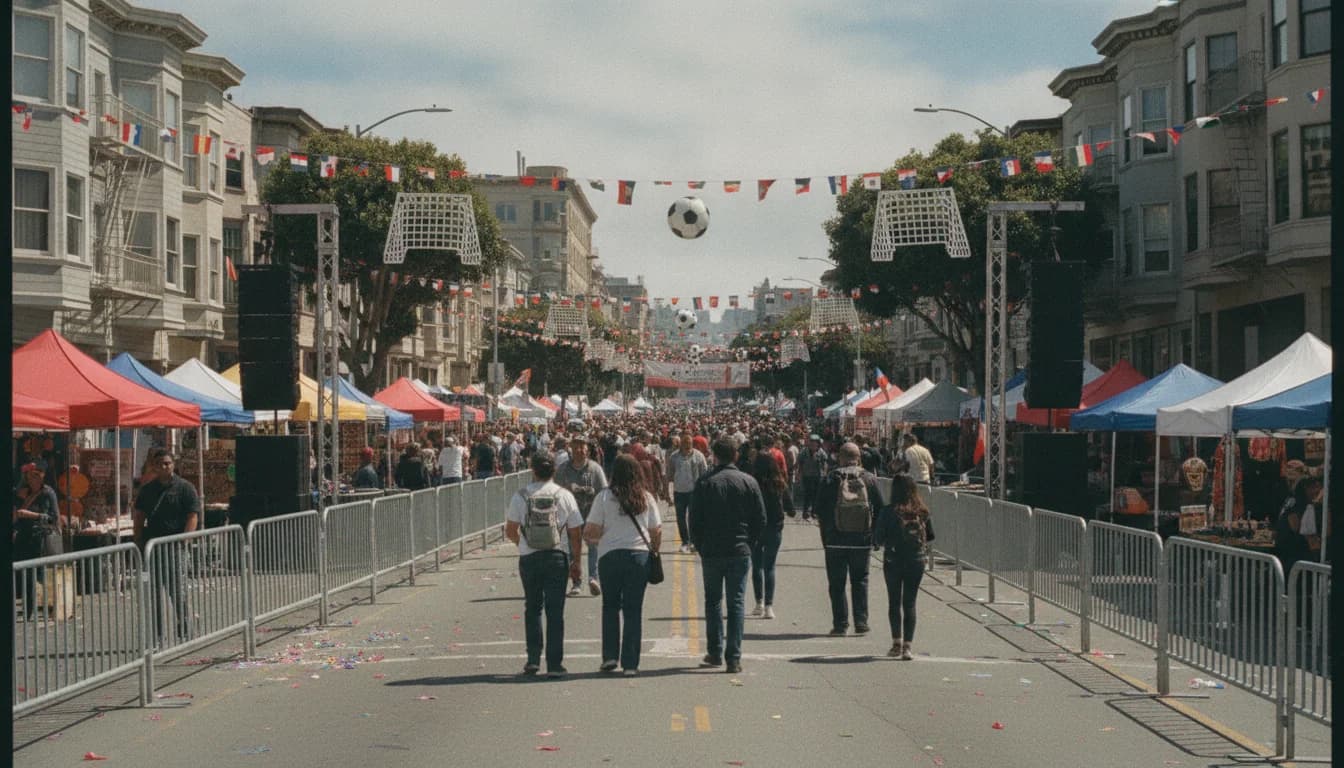
The 48th Carnaval San Francisco festival returned to the Mission District over Memorial Day weekend, May 23–24, 2026, drawing as many as 500,000 attendees across Harrison Street and surrounding blocks. The event, which combines open-air stages, a Grand Parade, and a soccer-inspired plaza experience, unfolded over a two-day span with performances and activities mapped across 17 blocks in the Mission. This year’s edition, themed La Copa del Pueblo – The People’s Cup, fused global rhythms with a soccer-inspired celebration to reflect the 2026 FIFA World Cup moment and the Bay Area’s diverse communities. The urban festival—free to the public for the main weekend—continues to position itself as one of the West Coast’s largest multicultural gatherings, bringing together local vendors, regional artists, and international guests in a single, highly visible public venue. According to reports from The San Francisco Chronicle, the festival’s two-day footprint and large-scale participation marked a milestone for citywide celebration of Latino, Caribbean, and Indigenous diasporic traditions. The Chronicle notes that the 2026 edition featured a soccer-centric hub, La Plaza del Fútbol, and a national-caliber lineup that highlighted the cultural and economic reach of Carnaval across the Bay Area. official headliner press release and city transit guidance below anchor the event’s scope for readers seeking primary documentation.
This week’s SF Bay Area Times recap synthesizes organizers’ statements, city planning resources, and independent reporting to illuminate what happened, why it matters for the region’s tech-driven economy, and what to watch next as Carnaval SF evolves in a year that sits squarely in the World Cup calendar. The coverage also integrates a data-driven view of attendance and economic impact, along with real-world implications for urban logistics, small businesses in the Mission, and the broader cultural landscape of the Bay Area. For readers seeking the latest official details, Carnaval San Francisco maintains a dedicated festival page and a parade lineup, both of which are updated annually by event organizers. The two primary sources below provide the event’s official framing and city-level logistics that underpin our analysis.
What happened Announcement details
Event dates and location: The 48th annual Carnaval San Francisco festival occurred on Saturday, May 23, and Sunday, May 24, 2026, in the Mission District of San Francisco. The festival hours ran from 11 a.m. to 6 p.m. on both days, with the parade staged on Sunday along a route that culminates in the heart of the neighborhood. The city’s official transit advisories and road closures publicize the footprint and timing to help residents, commuters, and visitors plan accordingly. These details are laid out in the City of San Francisco and SFMTA advisories and are reflected in the event’s official communications. See the city advisory and the festival’s official program for the exact street closures and times. SFMTA festival advisory and festival program page.
Headliners and acts: Carnaval SF 2026 highlighted Su Majestad Mi Banda El Mexicano de Casimiro as the headliner, a signature act in the Mexican regional genre known for high-energy performances and the “Caballito” rhythm. The headlining announcement frames the festival within a World Cup-inspired mood, which the organizing team calls La Copa del Pueblo – The People’s Cup. The official release notes the band’s storied background and the broader cultural significance of their inclusion within Carnaval SF’s 2026 programming. The official headliner release is the primary source for these details. official headliner press release.
Soccer and cultural hub: The 2026 edition also featured a popup soccer arena, La Plaza del Fútbol, designed to connect a global game with local culture. The hub offered scrimmages, skill-building activities, giveaways, and fan experiences with Bay Area professional teams, presenting a cross-section of sports and arts that resonates with World Cup themes. This element was highlighted by Chronicle coverage and supported by the official materials from Carnaval SF. The connection between soccer and Carnaval SF’s community-building goals remains a central story for 2026. SF Chronicle coverage of the World Cup theme, La Plaza del Fútbol details in the press release.
Economic footprint and scope: The organizers’ materials position Carnaval SF as a major economic activity driver for the Mission District, emphasizing not only cultural impact but also local business support. The headliner release includes an economic footprint assertion that the festival contributes to the region’s economy in tangible ways. The release frames the festival as a broader ecosystem for vendors, artists, and community organizations. official headliner press release.
City logistics and accessibility: The SFMTA notice lays out the required street closures and transportation impacts, including the festival footprint along Harrison Street, and the parade staging areas on Bryant Street and 24th Street. The advisory also specifies that the event is free, with certain grandstand seating tickets available for the parade. These logistics illuminate the scale of the operation and the coordination required to manage a multi-block, multi-street festival in a dense urban setting. SFMTA advisory and the festival’s own logistics page.
Attendee presence: The Chronicle’s May 2026 coverage places attendance in a large-venue category for the Bay Area’s multicultural festival circuit. The article notes the two-day event is expected to draw as many as 500,000 attendees, signaling a peak in urban crowd management and local commerce activity during Memorial Day weekend. This figure provides a benchmark against which future editions can be measured. SF Chronicle coverage.
Why it matters Cultural significance and community impact
Carnaval San Francisco festival sits at the intersection of culture, commerce, and city life. The event has grown into a marquee expression of the Mission District’s diverse communities, presenting a panoramic view of Latin American, Caribbean, and Indigenous diasporic traditions through music, dance, food, and crafts. The festival’s organizers emphasize a mission to celebrate heritage while driving economic opportunity for neighborhood vendors and artists. The Chronicle’s coverage of the 2026 edition situates the event as a cornerstone of the Bay Area’s cultural calendar, with wide community participation and a prominent public profile. The flagship claim from the press materials—“La Copa del Pueblo” as a unifying theme—highlights Carnaval SF’s ongoing strategy to fuse global influences with local storytelling. SF Chronicle coverage and official press materials.
The event’s two-day footprint across 17 blocks serves as a compelling case study in urban cultural events and municipal management. The combination of free public access and a paid parade component demonstrates how cities can balance open cultural experiences with curated experiences that generate revenue through sponsorships, tickets, and increased foot traffic to local businesses. The festival’s own materials underscore the scale of this balance, noting the open-air festival across Harrison Street and related programming, while city advisories outline the infrastructure required to keep participants safe and mobile.
Economic implications for the Mission District and Bay Area
The festival’s organizers frame Carnaval SF as a meaningful economic engine for the Mission District and surrounding neighborhoods. The 2026 headliner release includes a note on the festival’s role in cultural and economic activity, while Chronicle reporting corroborates the event’s scale with an estimated attendance approaching half a million. Collectively, these sources indicate substantial consumer activity—food, retail, vendors, and service sectors—in a concentrated, family-friendly weekend. The combination of high attendance and a multi-block footprint suggests positive spillovers into local businesses and labor markets during Memorial Day weekend. The organizers’ own figures for the event emphasize ongoing support for small businesses and street vendors in a neighborhood that benefits from the city’s tourism economy. For context, the festival’s economic footprint is presented as part of a broader ecosystem of urban cultural events in the Bay Area. official headliner press release and SF Chronicle coverage.
In addition to direct spending, Carnaval SF’s economic ripple includes sponsorship, media rights, and the opportunity for cross-promotion with local partners, Bay Area soccer organizations, and regional cultural institutions. The festival has also increasingly integrated health and safety programs, crowd management initiatives, and transit-focused outreach to minimize disruption to daily life in the Mission. These practical considerations, while not monetized in every source, are implied by the event’s official logistics documents and coverage of the two-day footprint. The city’s transit authority and event organizers jointly emphasize the festival’s alignment with public transportation options and reduced car usage during street closures, which can have measurable benefits for local congestion and air quality during peak weekend activity. SFMTA advisory and festival program page.
The World Cup tie-in adds another dimension to the festival’s significance. The 2026 “La Copa del Pueblo” theme resonates with global soccer broadcasting and fan engagement and helps attract a broader audience, including families traveling from outside the Bay Area to participate in the cultural programming. The alignment with a global event of this scale demonstrates Carnaval SF’s capacity to leverage international themes to widen its reach and deepen its relevance in a tech-enabled, globally connected market. The cross-pollination with World Cup cycles is visible in both the official materials and in major regional outlets’ coverage, which frame the festival as part of a larger international conversation about culture, sports, and community. official headliner press release and SF Chronicle coverage.
What’s next Timeline and planning for future editions
Carnaval SF maintains a structured cycle of announcements: headliner reveals, theme declarations, and logistics updates unfold in the months leading up to Memorial Day weekend. In 2026, the festival’s headliner and World Cup-inspired theme were announced in early April, with public events and related activations following through May. This cadence aligns with the festival’s historically steady scheduling pattern, anchored by Memorial Day weekend, which often falls on the last Monday in May. Observers should expect similar timing in subsequent years as organizers coordinate with city agencies and partner organizations to optimize the experience for attendees and residents. The 2026 materials demonstrate this pattern, and the organization’s own schedule page shows ongoing calendar updates as each year’s lineup and logistics are solidified. official headliner press release and festival page.
For those tracking planning and policy developments, city transit advisories and road-closure planning are critical inputs to the festival’s success. The SFMTA’s advisory for the 2026 edition demonstrates the regularity of transportation coordination around large-scale cultural events, with documented street closures, parking changes, and bus route adjustments designed to minimize disruption while maximizing safety and accessibility. Expect similar public-facing documents to accompany future Carnaval SF editions, especially as the World Cup calendar and regional events create a broader planning context. SFMTA advisory.
The festival’s ongoing dialogue with local cultural districts, business associations, and national music organizations suggests a continued emphasis on inclusive programming and economic empowerment. This alignment is evident in the festival’s stated mission of celebrating “the diverse traditions of Latin America, the Caribbean, and beyond” while fostering community healing, artistic expression, and local enterprise. The organization’s own materials provide the clearest articulation of these goals, complemented by independent coverage that tracks attendance, headliners, and the evolving scope of activities. official headliner press release and SF Chronicle coverage.
How to participate next year: The festival’s portal typically lists ways to engage as a vendor, performer, volunteer, or partner. Readers who want to be part of the 2027 edition should monitor the festival’s official site for calls for vendors, artist rosters, sponsorship opportunities, and volunteer signups. If you are planning to attend, the city’s transit-facing advisories will also publish updated guidance closer to the event date to assist with travel planning and crowd management. festival page and SFMTA advisories.
Closing
Carnaval San Francisco festival 2026 delivered a high-energy convergence of music, culture, and community across Memorial Day weekend in the Mission District. The event’s soccer-themed “La Copa del Pueblo” frame, combined with a two-day street festival and a Sunday Grand Parade, underscored the festival’s capacity to blend global influences with local storytelling. With the 2026 footprint and economic impact documented by organizers and corroborated by independent reporting, the Bay Area’s flagship multicultural celebration remains a critical node in the region’s cultural economy and urban life.
As the city digests the 2026 edition, readers can stay informed through Carnaval San Francisco’s official channels and through city transportation guidance that continues to accompany large-scale public events. For ongoing coverage, consult the festival’s news releases and the City’s transit advisories, which together illuminate the event’s planning, execution, and evolving role in the Bay Area’s cultural economy.
One final note for readers tracking the broader implications: Carnaval SF’s scale—encompassing a wide geographic footprint, a hedge against congestion through transit planning, and a strong positive economic signal for local small businesses—offers a real-world case study in how urban cultural traditions can scale to regional significance while maintaining accessibility and community focus. The next edition will likely build on this foundation, adjusting to the evolving dynamics of global sport, local policy, and the Bay Area’s diverse cultural tapestry. Readers should anticipate a formal theme and headliner announcement in the months ahead, followed by the standard festival calendar of food, dance, crafts, and family-friendly activities that define Carnaval SF.
If you’d like to explore this topic further, you can review:
- The official headliner release detailing Su Majestad Mi Banda El Mexicano de Casimiro and the “La Copa del Pueblo” theme. official headliner press release
- The city advisory outlining street closures, festival hours, and transit considerations for the 2026 edition. SFMTA advisory
- Chronicle coverage analyzing attendance, parade routes, and the event’s broader cultural significance in 2026. SF Chronicle coverage
As always, for updates on upcoming events, follow Carnaval San Francisco on social media and check the festival’s official site, which provides the most current information about scheduling, tickets, and programming.