
Castro Theatre Reopening: SF Landmark Returns
Explore our data-driven analysis on the Castro Theatre's reopening, highlighting its significant impact on San Francisco's vibrant cultural economy.
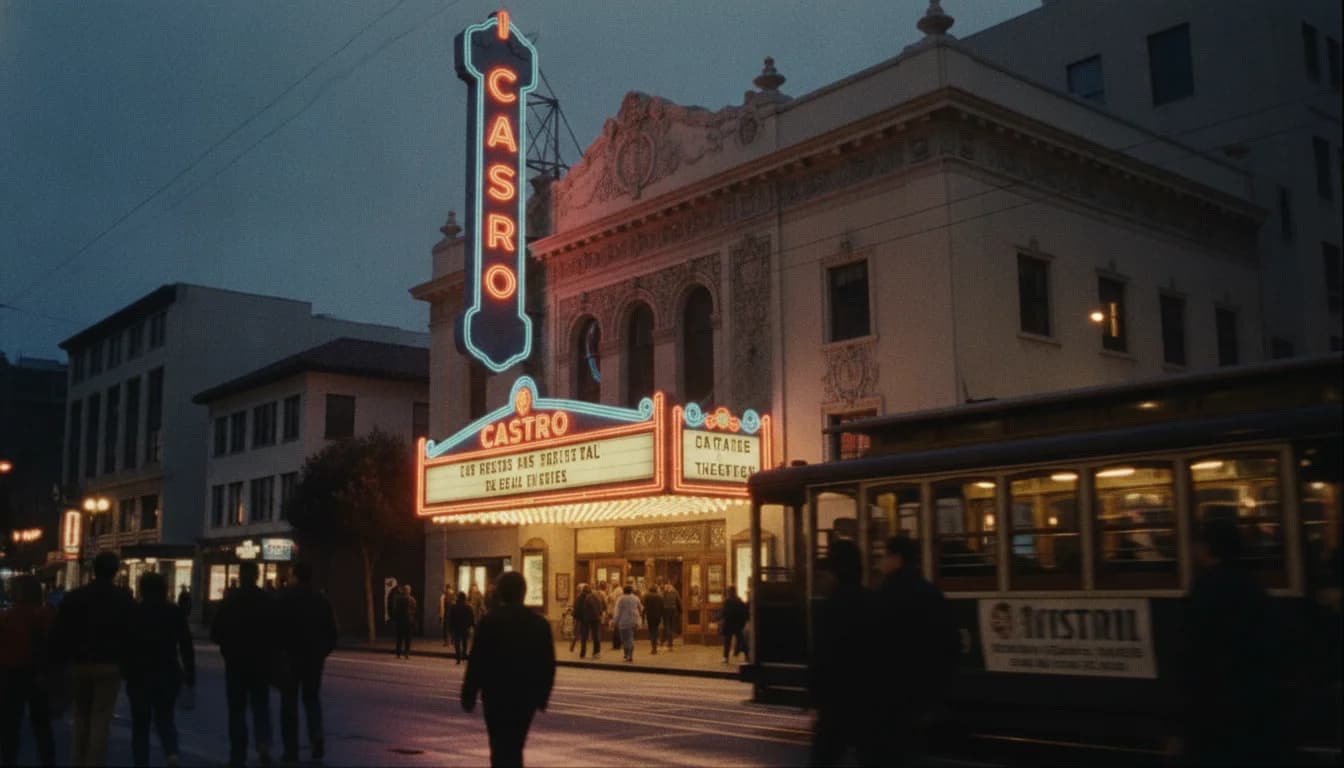
San Francisco’s Castro Theatre re-emerged as a centerpiece of the city’s arts ecosystem on February 6, 2026, marking the end of a lengthy two-year renovation project. The long-awaited reopening followed a public campaign to preserve the venue’s historic identity while upgrading its technical and audience-access features, with a project cost reported around $41 million. The event itself signaled more than a cosmetic refresh; it represents a recalibration of how a storied single-screen cinema can function in a modern, multi-use entertainment landscape. The February 6 reopening date was confirmed by local coverage and official statements surrounding the ceremony, which brought together city leaders, neighborhood groups, and the Castro’s new operators. (sfchronicle.com) In the days that followed, industry and community observers noted the theater’s renewed role in film, live performance, and LGBTQ+ culture as a core driver of the neighborhood’s ongoing cultural economy. (sfchronicle.com)
SF Bay Area Times will continue monitoring the Castro Theatre reopening, including how the venue’s updated configuration and programming affect bookings, attendance, and nearby business activity. The central fact of the reopening, validated by industry coverage and official communications, is that the Castro Theatre is back in operation with a modernized but historically resonant footprint.
The Castro Theatre is back in business. SF Bay Area Times counted that the Castro Theatre reopened on February 6, 2026, after a $41 million renovation, according to SF Chronicle reporting on the reopening and a February 2026 press release from Another Planet Entertainment. (sfchronicle.com)
Section What Happened
Grand reopening date and ceremony
Date confirmation and ceremonial details
The opening night featured a ribbon-cutting and a high-profile lineup that underscored the venue’s reimagined role in the city’s arts scene. Local officials and prominent cultural figures participated in the event, underscoring the theater’s status as a community anchor and a showcase for LGBTQ+ culture and independent programming. The ceremony and subsequent programming reflected a deliberate balance between cinema screenings and live events, signaling a broader mission for the Castro under its new management. Coverage from major outlets and the theater’s own communications point to February 6, 2026 as the public reopening date, following more than two years of closure and a comprehensive renovation. (sfchronicle.com)
Reopening programming and notable events
The first weeks after reopening featured screenings and performances designed to highlight both the venue’s cinema heritage and its new status as a flexible, multi-use space. Notable elements included a marquee return, a ribbon-cutting ceremony, and a lineup that melded classic titles with contemporary LGBTQ+ performances. Industry press highlighted a residency-heavy calendar centered around contemporary pop culture figures, with screenings and live showcases that align with the Castro’s long-standing identity as a cultural landmark. The programming narrative was reinforced by trade press and local coverage describing the residency-focused approach as a keystone of the theater’s post-renovation strategy. (ktvu.com)
Renovation scope and funding
The project was a multi-year, multi-million dollar undertaking designed to refresh the Castro’s infrastructure while preserving its historic character. Reported figures place the renovation at about $41 million, reflecting substantial upgrades to HVAC, acoustics, seating, restrooms, accessibility, and technical systems, as well as a reimagined lobby and public spaces. The renovation’s scale—described across multiple outlets as among the most significant in the venue’s history—was a focal point of coverage during and after the reopening period. (sfchronicle.com)
Seating configuration and accessibility
A central design change in the renovation involved reconfiguring seating to support both seated screenings and flexible, standing-room experiences for live performances. The shift away from fixed orchestra seating toward a more adjustable floor plan was widely discussed in trade coverage and venue reporting, with evaluations focusing on how audience sightlines, comfort, and accessibility were addressed in the new configuration. The evolution of seating was a major talking point as the Castro prepared to re-enter service after the two-year closure. (news.pollstar.com)
Section Why It Matters
Cultural impact and community resonance
A symbol for SF’s LGBTQ+ community
The Castro Theatre has long stood as a cultural pillar for San Francisco’s LGBTQ+ community and for broader film and performing arts audiences. The reopening is being framed as a restoration of a civic space that hosts film festivals, drag performances, indie films, and community events. Local outlets highlighted that the reopening carries symbolic weight beyond box office metrics, serving as a tangible signal of inclusive, community-centered programming returning to the neighborhood. This context matters for how residents and visitors perceive the Castro as a living cultural institution, not merely a historic artifact. (sfbaytimes.com)
Economic and neighborhood implications
From a neighborhood economics perspective, the Castro’s reopening is expected to influence foot traffic, dining, and retail around Castro Street and Mission Street, where the theater anchors a lively cultural corridor. Local business associations and city agencies have tracked the potential uplift in daytime and nighttime activity, along with how the venue’s calendar may attract more visitors who combine cinema, live music, and nightlife in a single evening. Economic analyses surrounding the reopening emphasized the potential spillover benefits for long-standing neighborhood businesses and for the broader Mission District ecosystem. (sfchronicle.com)
Industry context and strategic positioning
The Castro reopening arrives after a period of industry consolidation and venue diversification in the Bay Area, with promoter/operator changes and a shift toward multi-use formats at historic cinemas. Observers note that This strategic pivot—leveraging a renovated, adaptable space—reflects broader trends in how cultural venues balance preservation with modern audience expectations, particularly in a city that prizes both film heritage and live performance. Coverage framed the Castro as a test case for how a renovated single-screen venue can compete and collaborate within a modern, diversified events market. (sfchronicle.com)
Economic and cultural effects in a data-driven context
Attendance and demand signals
Early post-reopening demand signals indicated a robust appetite for both classic cinema and contemporary live performances. Industry outlets reported strong interest in the venue’s reopening dates and in the Sam Smith residency, a high-profile booking intended to anchor the calendar during the initial months of operation. These signals matter as proxies for demand in a reconfigured space, and as indicators of how the Bay Area’s cultural consumer base responds to a renovated emblem of local identity. (sfstandard.com)
Preservation vs. modernization tensions
The Castro’s renovation circulated in local debates about balancing historical authenticity with modern programming needs. Critics and supporters alike weighed the implications of seating changes, acoustics upgrades, and the addition of new backstage and technical capabilities. The tension between preserving the building’s historic character and enabling contemporary uses remains a live conversation—one that shapes how the venue is viewed by funders, city officials, and residents, and one that could influence future capital projects for similar landmarks. (sfchronicle.com)
Public perception and media framing
Coverage patterns and perspectives
Following the reopening, coverage across national, regional, and local outlets painted a cohesive narrative: the Castro Theatre has reemerged as a modernized cultural hub while preserving its iconic aura. Media framing highlighted the theater’s role in LGBTQ+ history, in film culture, and in the broader arts economy of San Francisco. The consistency across outlets—ranging from architectural and trade press to mainstream local outlets—helps establish the Castro’s post-renovation identity in the public mind. (architecturalrecord.com)
What’s Next
Timeline and key events to watch
Scheduling and programming trajectory
In the weeks and months following reopening, the Castro’s calendar is expected to diversify further, with a mix of films, live performances, comedy nights, and panel discussions designed to appeal to a broad audience while preserving the venue’s LGBTQ+ heritage. Observers will watch for shifts in audience composition, ticket mix between film and live events, and the pace at which new programming stabilizes after a two-year gap. Industry reporting and the venue’s own communications outline a rhythm of events that combine blockbuster titles, festival runs, and intimate performances. (sfchronicle.com)
Sam Smith residency and marquee acts
A centerpiece of the initial reopening period was a high-profile residency by Sam Smith. Coverage and industry reports highlighted an extended engagement intended to anchor attention around the Castro’s relaunch and to demonstrate the venue’s capacity for large-scale, marquee performances within a multi-use framework. The residency is expected to influence subsequent programming decisions, including the balance between celebrity-driven engagements and community-focused programming. (ktvu.com)
Infrastructure and operations moving forward
Accessibility, services, and guest experience
Renovation-era upgrades extended beyond seating to include improved restrooms, accessibility features, and enhanced ADA-compliant access, aligning with city guidelines and best practices for historic venues repurposed for contemporary use. The upgrades are designed to improve the guest experience across a broader range of events, from quiet film screenings to high-energy live performances, and to support a more inclusive audience environment. (sfchronicle.com)
Partnerships and ecosystem interactions
The Castro’s reopening places it squarely within a network of Bay Area cultural institutions, promoters, film festivals, and advocacy groups. Partnerships with organizations such as Frameline and local arts nonprofits were part of the theater’s pre-opening planning, and ongoing collaboration is expected to shape programming strategies, funding opportunities, and community engagement initiatives. The theater’s ownership and operation changes, including involvement by Another Planet Entertainment, are central to this ecosystem, as reported in industry and local coverage. (castrotheatre.com)
What’s Next: A Closer Look at the Financial Footprint and Strategic Position
- The renovation’s $41 million price tag places the Castro Theatre among the higher-cost, historically sensitive modernization projects in major U.S. markets. This magnitude invites scrutiny of capital allocation, long-term maintenance costs, and the theater’s ability to monetize a hybrid calendar that blends cinema with live events. Industry observers will want to see how booking volumes, ancillary revenue (concessions, sponsorships, venue-hire events), and community fundraising performances contribute to a sustainable financial model for the venue in the 2026–2028 window. (sfchronicle.com)
- Capacity dynamics after seating changes remain a topic of interest for operators and critics alike. Early reporting described the floor’s flexibility as a design feature intended to accommodate a wider range of events, but exact seating counts and utilization metrics will be critical for evaluating the renovated space’s efficiency and the audience experience. Industry coverage notes the move toward telescoping or removable seating configurations as a notable shift from traditional single-screen cinema layouts. (news.pollstar.com)
Closing
The Castro Theatre reopening marks a defining moment for San Francisco’s cultural landscape, blending a storied past with an adaptable, modern operating model. As we move into a calendar featuring a mix of film premieres, theater, drag performances, and public events, the venue’s ability to attract diverse audiences and to support a thriving local economy will be a bellwether for how historic venues can reinvent themselves without losing their soul. Readers who want the latest updates on shows, ticketing, and programming can monitor the theater’s official communications and trusted local outlets for ongoing coverage. For authoritative details about the Castro Theatre’s reopening and ongoing operations, consult The Castro Theatre official site and consider the press materials issued by Another Planet Entertainment. (thecastro.com)
In the weeks ahead, SF Bay Area Times will continue to report on the Castro’s evolving programming, attendance trends, and neighborhood impact, with data-driven analysis and transparent sourcing to help readers understand how this reopening reshapes San Francisco’s cultural and economic landscape.