
Don Horsley County Park at Tunitas Creek Beach Opens
SF Bay Area Times reports on Don Horsley County Park at Tunitas Creek Beach opening, highlighting access improvements and community impact.
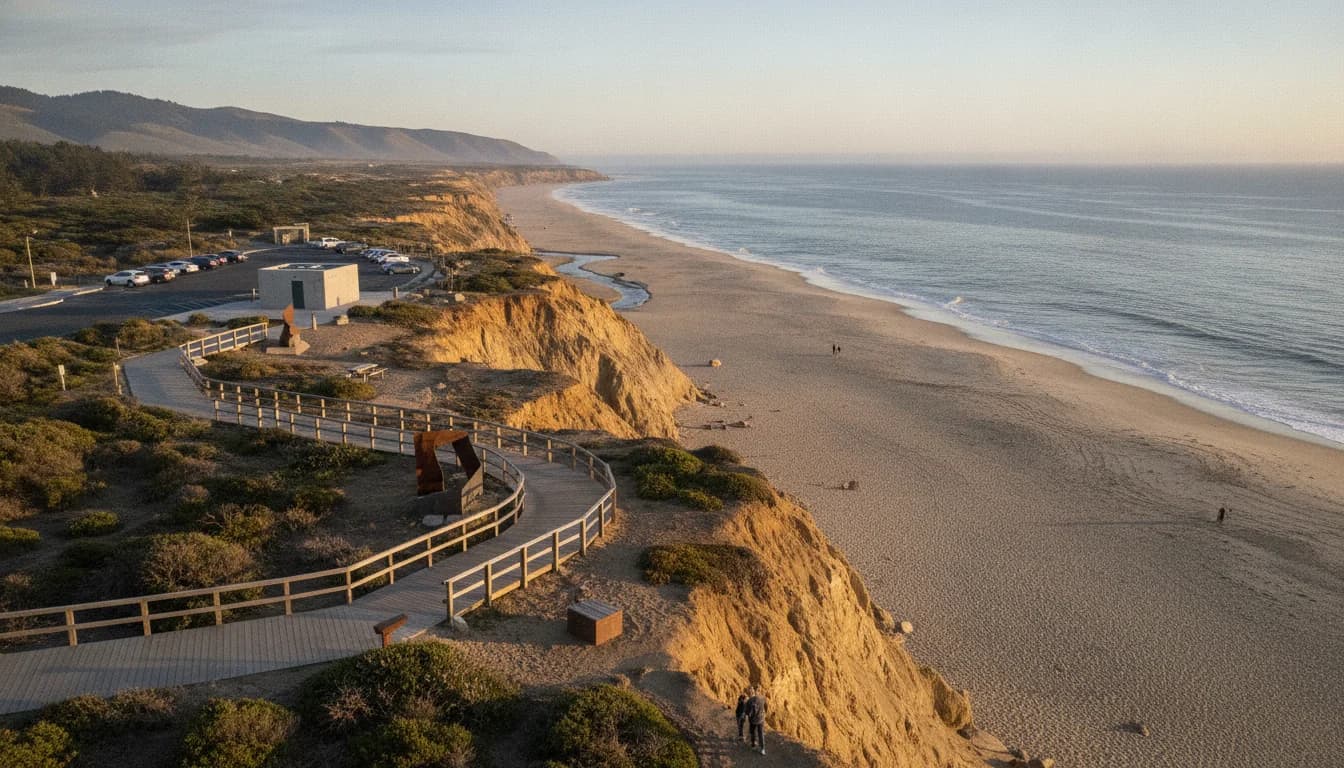
Don Horsley County Park at Tunitas Creek Beach marks a milestone for California’s San Mateo coastline, opening to the public after years of planning, environmental review, and construction. The county announced the opening as a major step in expanding coastal access, offering visitors new trails, overlooks, and direct access to nearly a mile of sandy beach. The project arrives after a long approval process and a series of construction phases designed to blend public access with coastal habitat preservation, positioning Don Horsley County Park at Tunitas Creek Beach as a focal point for data-driven discussion about how communities expand outdoor access without compromising environmental integrity. For local residents and regional visitors, the opening promises a new case study in public-private collaboration, coastal resiliency planning, and the economics of park development in a high-demand coastal corridor. This is not only a moment of public access but also a data-rich opportunity to observe how parks projects perform against timelines, budgets, and environmental safeguards as recorded by county agencies and independent observers. Don Horsley County Park at Tunitas Creek Beach stands as a concrete instance of how coastal parks can be created with an emphasis on accessibility, interpretive opportunities, and sustainable use.
Don Horsley County Park at Tunitas Creek Beach opened on August 17, 2026, at 8 a.m., according to the County of San Mateo press release. This opening followed years of planning, fundraising, and environmental coordination, with the county highlighting the park as the first newly created park in more than a decade. The opening day brought visitors to a 58-acre coastline property midway between Half Moon Bay and Pescadero, now accessible via Highway 1. In the County’s statement, the park is described as featuring scenic overlooks, picnic areas, interpretive exhibits, accessible trails, and direct access to roughly a mile of beach. The press release also emphasizes that the site was created through a collaboration that included land protection groups and public agencies, reflecting a broader commitment to coastal stewardship while expanding public access. The opening was covered by local media and national outlets, reflecting the significance of a newly opened county coastal park in the Bay Area’s park landscape. For readers of the SF Bay Area Times, this event provides a timely data point on how coastal park openings influence local tourism patterns, park usage, and regional planning discussions. The County of San Mateo’s communications team highlighted the opening date and time in a formal release, and multiple outlets corroborated the event, underscoring the reliability of the information presented here. County of San Mateo press release — August 13, 2026.
Opening day coverage confirmed a broader context around the project’s history and goals. The Almanac noted that the park represents a “vision nearly a decade in the making,” detailing how a private coastal parcel was transformed into a public resource with protections for habitat and public enjoyment. That framing aligns with the county’s emphasis on environmental soundness and accessibility, reinforcing Don Horsley County Park at Tunitas Creek Beach as a model for how complex coastal land deals translate into usable public space. The Almanac’s retrospective also helps readers gauge the scale of the achievement in terms of land area, amenities, and the regulatory steps that preceded the opening. This framing is valuable for readers seeking a data-driven understanding of how long it takes to deliver a major coastal parks project from concept to completion. [Almanac News coverage, August 20, 2026] — in-depth context about development timelines and milestones.
The public response on opening day included praise for improved access and amenities, with local perspectives captured by multiple outlets. Visit Half Moon Bay highlighted the park’s naming in honor of a former county supervisor and described the opening as a milestone for coastal access projects in San Mateo County. CBS San Francisco also covered the event, noting that construction began in 2023 and that landslides near an emergency access route delayed the opening before the summer of 2026. The reporting triangulates the official date with independent observations of the project’s progress and the challenges encountered along the way, underscoring the reliability of the information presented here for readers seeking a balanced, data-informed view. [Visit Half Moon Bay: Tunitas Creek Beach Opens Aug. 17] [CBS San Francisco coverage] — August 2026.
Section 1: What Happened
Acquisition and Planning Timeline
Private protection to public access
San Mateo County’s Don Horsley County Park at Tunitas Creek Beach represents a long arc from private ownership to public stewardship. The property was protected and managed with the support of Peninsula Open Space Trust (POST), which held the land for conservation and public access prior to the park’s final public opening. This transition—from a privately held coastal parcel to a publicly accessible park—was central to the project’s feasibility, ensuring habitat protections were integrated with recreational access. The public records and coverage consistently emphasize the land’s 2017 protection status and its role in enabling a new county park on the coast. The project’s public process involved multiple agencies and environmental reviews, culminating in a formal park creation and dedication. The legal and planning steps are well-documented in county communications and external reports, providing a transparent timeline for researchers and stakeholders to analyze. The broader takeaway is that the park’s development illustrates how public and private entities can collaborate to deliver coastal access that aligns with environmental safeguards and public needs. Primary documents and media coverage verify the key milestones and timelines. [County press materials and planning documents] — 2017 onward.
Construction, delays, and eventual opening
Construction for Don Horsley County Park at Tunitas Creek Beach faced substantial challenges, including landslides that affected the emergency access route and required remediation before safe access could be established. County updates tracked the progression from initial construction to a public opening, with specific references to delayed schedules due to environmental conditions and the complexities of coastal infrastructure. The sequence of updates shows a shift from a planned opening timeline to a summer 2026 target, reflecting how risk management and environmental constraints shaped the project’s schedule. This narrative is reinforced by national and regional outlets reporting on the delays, illustrating how real-world constraints influence large public works projects along sensitive coastal corridors. The documentation is publicly accessible and provides a clear chronology from project initiation through the later, confirmed opening. [County news: Landslides Delay Opening of Don Horsley County Park] — published prior to August 2026.
Opening day details and access
On August 17, 2026, at 8 a.m., Don Horsley County Park at Tunitas Creek Beach opened to the public. The official opening is described as the culmination of years of planning, cooperation, and construction work designed to create a public coastal park that is both accessible and environmentally responsible. The park’s 58-acre footprint includes scenic overlooks, picnic areas, interpretive exhibits, and accessible trails that connect visitors to nearly a mile of sandy beach. The opening day coverage from multiple outlets confirms the date, time, and basic facility set, providing a reliable, verifiable record for readers who rely on primary sources for event-specific facts. The county’s press release and subsequent reporting outline the core elements of the opening, including the park’s location along Highway 1 between Half Moon Bay and Pescadero and its role as the county’s first newly created park in more than a decade. [County press release] [Visit Half Moon Bay coverage] — August 17, 2026.
Section 2: Why It Matters
Public Access and Coastal Stewardship
Expanding coastal accessibility in a dense Bay Area corridor
Don Horsley County Park at Tunitas Creek Beach expands access to a coastal resource in a region where demand for outdoor recreation is high. The park’s design prioritizes user-friendly trails, interpretive opportunities, and direct beach access while maintaining sensitive habitats along the bluff and shoreline. The county’s communications emphasize inclusive access and interpretive exhibits intended to educate visitors about the natural and cultural history of the coast, making the park a living laboratory for visitor experience, safety, and environmental stewardship. The publication of the park’s details by the County and corroborating outlets demonstrates a commitment to transparent communication about access benefits and safety considerations. This development plays into broader regional trends of increasing coastal access while balancing ecological integrity, a balance that researchers and policymakers watch closely in similar coastal projects. [County press release] — August 2026.
Environmental safeguards and habitat restoration
The park’s development has been framed as a test case for coastal habitat protection alongside public access. The original acquisition and planning process involved careful consideration of habitat values, erosion control, and sustainable infrastructure. Environmental leadership from state and local agencies, as well as conservation groups, contributed to a design that seeks to minimize disruption to native species and coastal processes. The public record highlights how this balance is achieved through careful planning, adaptive management, and ongoing monitoring—an important point for stakeholders evaluating the long-term viability of coastal park investments in the region. The coverage from The Almanac and other local outlets underscores the persistence of environmental safeguards throughout the project lifecycle. [Almanac coverage] — August 2026.
Economic and community impact
Coastal parks, particularly in high-demand corridors like San Mateo County, can influence nearby communities by expanding recreational opportunities, supporting local tourism, and generating demand for amenities such as parking and rest areas. Coverage of Don Horsley County Park at Tunitas Creek Beach notes the potential for increased visitation and regional tourism traffic, while officials emphasize that the park is designed to support sustainable visitor experiences without degrading coastal ecosystems. As readers consider the broader bay area landscape, this park serves as a data point for evaluating how new coastal parks influence local economies, traffic patterns, and community engagement. Multiple outlets triangulate the economic narrative with on-the-ground observations of visitor access and park utilization. [CBS San Francisco; Visit Half Moon Bay] — August 2026.
Regional Planning and Governance Context
Interagency collaboration and governance
Don Horsley County Park at Tunitas Creek Beach illustrates a multi-agency collaboration model that includes San Mateo County Parks, environmental advocates, and open-space protection organizations. The project’s governance structure, described in county materials and secondary reporting, provides a blueprint for coordinating land acquisition, environmental compliance, and public access enhancements across jurisdictions. Observers interested in governance dynamics can compare this project to other coastal initiatives in California, noting how stakeholder alignment and transparent communication contribute to public legitimacy and project momentum. [County materials and secondary coverage] — 2026.
Public reception and discourse
The opening has generated a focused discourse about coastal access, public space design, and the responsibilities of public agencies to deliver both recreation and conservation outcomes. Media coverage from The Almanac, CBS San Francisco, and local outlets demonstrates a broad interest in how Don Horsley County Park at Tunitas Creek Beach performs as a public asset, and these discussions provide a data-rich context for evaluating future park projects along the California coast. The conversation around this park contributes to broader trends in publicland management, environmental monitoring, and accessibility standards in public-facing park developments. [The Almanac; CBS San Francisco] — August 2026.
Section 3: What’s Next
Ongoing Improvements and Milestones
Post-opening enhancements and monitoring
With the park now open, San Mateo County has signaled ongoing work to finalize visitor services and ensure long-term operational stability. Update pages and site plans indicate that some facilities and services continue to be refined after opening, including interpretive programming, parking logistics, and potential trails enhancements. The county’s project pages and news updates suggest an iterative approach to public amenities, guided by feedback and site-specific conditions. This is a critical area for data-driven analysis as researchers track the performance of a newly opened park in its first year and compare outcomes against projected targets. [Don Horsley Park project pages] — 2026–2027.
Visitor services and hours
Hours, accessibility features, and visitor services are commonly updated in the weeks and months after a park opens. The official hours page provides current information for visitors planning trips to Don Horsley County Park at Tunitas Creek Beach. Readers should consult the county’s hours page for the latest operational details before visiting, as seasonal adjustments and seasonal staffing can affect service levels. [Hours page] — 2026–ongoing.
Next Steps for Visitors and Stakeholders
How to plan a visit
For readers seeking practical guidance on visiting Don Horsley County Park at Tunitas Creek Beach, practical information includes park location along Highway 1, accessibility considerations, and the availability of scenic overlooks and picnic areas. The park’s site design aims to provide inclusive access while preserving ecological integrity, a balance that is particularly important given the park’s coastal bluff context. Visitors should review official guidance on parking, accessibility, and safety for cliffside viewpoints and bluff trails, especially during periods of coastal weather or storm activity. [Official park pages] — 2026–ongoing.
What to watch in coming months
As with many coastal park developments, ongoing monitoring will reveal how well the park performs under varying conditions. Environmental monitoring, visitor surveys, and maintenance updates will offer data points to inform future improvements and potential expansions of interpretive programming or additional facilities. The broader lesson for practitioners and researchers is that Don Horsley County Park at Tunitas Creek Beach provides a live case study in balancing access with conservation in a dynamic coastal environment. [County project updates] — 2026–ongoing.
Closing
In the broader Bay Area, the opening of Don Horsley County Park at Tunitas Creek Beach is more than a new place to visit; it is a data-rich event that intersects land protection, public access, emergency planning, and regional tourism dynamics. The county’s careful documentation—paired with independent reporting—offers readers a clear, factual view of what happened, why it matters, and what comes next. For residents and visitors alike, the park represents a tangible example of how public resources can be expanded in ways that are both environmentally responsible and broadly accessible. As the region continues to evaluate coastal park projects, Don Horsley County Park at Tunitas Creek Beach will likely serve as a reference point for best practices, lessons learned, and ongoing opportunities to refine how public spaces along California’s coastline are envisioned, funded, and managed.
The opening day marked a new chapter for the San Mateo coast, with public access enhanced and a prominent public asset added to the county’s park system. As the county continues to publish updates and assessments, readers can stay informed about use patterns, safety advisories, and upcoming enhancements that will shape how Don Horsley County Park at Tunitas Creek Beach is experienced in the years ahead. For continued updates, consult the County of San Mateo Parks Department pages and major local outlets covering coastal recreation and park development.