
Julius Castle Reopening on Telegraph Hill
SF Bay Area Times announces Julius Castle's grand reopening on Telegraph Hill, delivering data-driven insights into its historic revival.
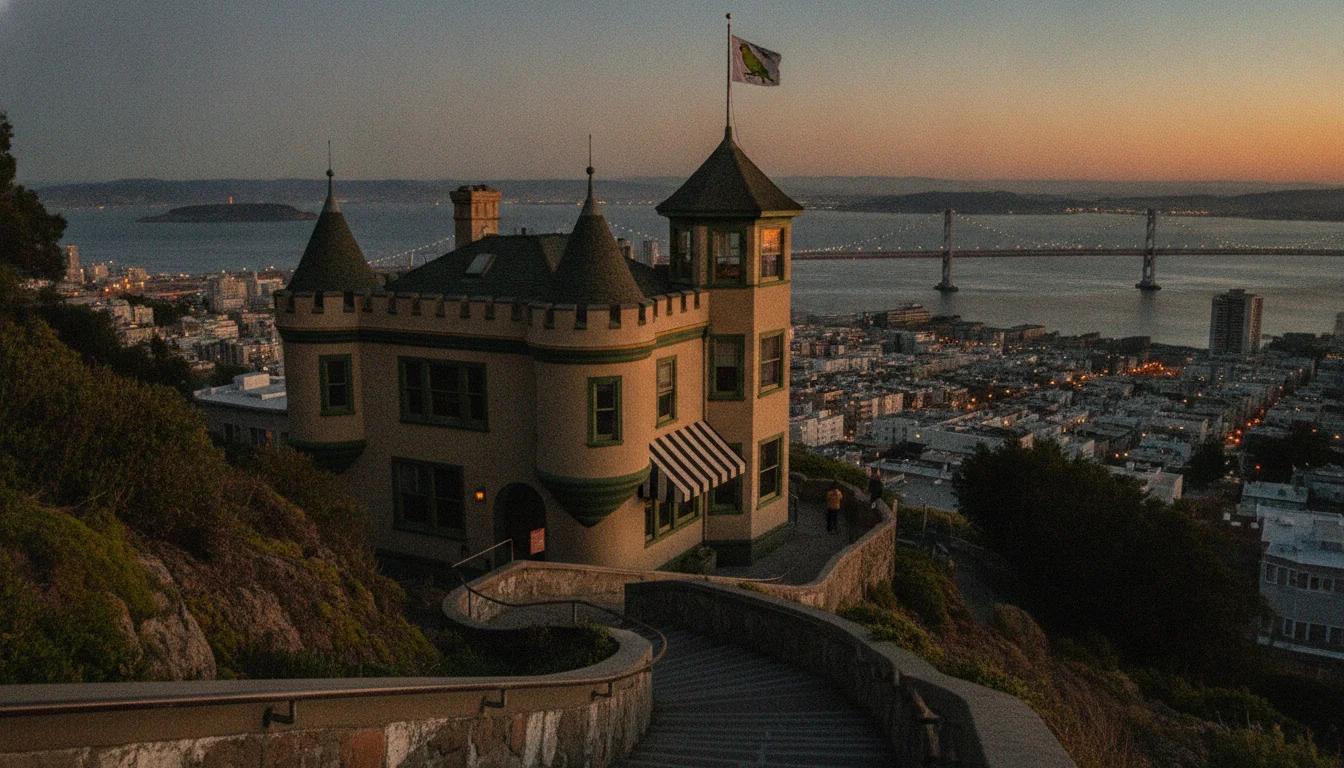
Julius Castle reopening on Telegraph Hill marks a historic return to a San Francisco landmark, with the 102-year-old castle perched above the Bay resuming service on November 12, 2026, at 302 Greenwich Street. This reopening follows a lengthy restoration led by Paul Scott, the attorney who purchased the property in 2012 and spent more than a decade guiding a comprehensive renovation. According to San Francisco Chronicle coverage, the official opening date is set for November 12, 2026, signaling the culmination of years of permitting battles, structural fixes, and design work aimed at preserving the building’s historic character while updating the dining experience for a new generation of guests. The same reporting notes that a refreshed interior, a new executive chef, and a reimagined beverage program are part of the revival, underscoring why this reopening matters beyond a single dining room. (sfchronicle.com)
The reopening is also framed within broader local dynamics—historic preservation, neighborhood concerns about traffic and noise, and the Bay Area’s evolving dining landscape after a long period of closures. The restaurant’s kickoff comes after a nearly two-decade pause, with early word indicating a staged restart beginning with a fresh menu concept and a focus on Bay Area classics reinterpreted for a modern palate. The planning process and public-record filings surrounding Julius Castle’s revival provide context for readers tracking how a city landmark negotiates permitting, fire-safety upgrades, hillside stabilization, and community input while aiming to re-enter the North Beach dining scene. The official site and contemporary reporting place the opening in mid-November 2026, reinforcing the sense that Julius Castle’s reopening is both a tribute to San Francisco’s architectural history and a signal of the city’s ongoing restaurant revival. (sfchronicle.com)
What Happened
Reopening Date and Location Confirmed
The core event is Julius Castle reopening on November 12, 2026, with the restaurant resuming service at its Telegraph Hill site on Montgomery Street, specifically 302 Greenwich Street. Chronically, the property’s lights are slated to return on that date after a years-long dormancy. The San Francisco Chronicle reported in late October that the reopening date was set for November 12, alongside a refreshed design and a chef-led kitchen lineup. The article also confirms the venue’s distinctive three-story layout and its prized bay views, anchoring the reopening in both place and identity. This official date—November 12, 2026—in the Chronicle’s reporting provides a concrete anchor for readers and stakeholders monitoring the city’s historic-venue revival. (sfchronicle.com)
In parallel, Julius Castle’s own site curates a public-facing timeline that places the November 12, 2026 reopening as the “beginning of a second century” for the landmark. The site notes the property’s long restoration journey since its 2012 acquisition by Paul Scott and explicitly lists November 12, 2026 as the lights returning to Telegraph Hill. This primary source confirms the date and framing of the reopening from the perspective of the owners and designers who have steered the project. (juliuscastle.com)
Leadership, Menu Concept, and Design Refresh
Reporting from the Chronicle highlights a refreshed interior and leadership lineup designed to modernize Julius Castle while honoring its history. The executive chef is identified as Christopher Santopinto, previously at Park Tavern and other notable San Francisco kitchens, with a beverage program overseen by Max Monroe. The article emphasizes that the team is building a menu around Bay Area staples—ceviche, cioppino, Dungeness crab with garlic noodles, and locally inspired variations of regional classics. The presence of a dedicated beverage director and a multi-tier dining experience signals a deliberate positioning for both special occasions and regular dining, a strategic move to broaden the restaurant’s appeal in a crowded San Francisco dining market. (sfchronicle.com)
Permitting, Public Process, and Neighborhood Considerations
The path to Julius Castle’s reopening has run through a dense permit-and-review regime, reflecting San Francisco’s approach to landmark properties on steep hillsides and in sensitive neighborhoods. The public-record filings surrounding the project detail Conditional Use Permit and Variance processes that culminated in 2017–2019 hearings, with community input and legal challenges shaping the project timeline. A detailed Planning Commission packet and executive summary document—prepared long before the anticipated 2026 reopening—charts the neighborhood’s engagement with the restoration, the need to balance historical preservation with ongoing urban use, and the city’s adherence to safety and accessibility standards. While the legal and planning battles have complicated the revitalization, the outcome—an official reopening in 2026—reflects a consensus that the site remains a civic asset and cultural touchstone for Telegraph Hill. (commissions.sfplanning.org)
The Market Context: A Bay Area Dining Comeback
Beyond the building itself, Julius Castle’s reopening sits at a moment when San Francisco’s dining scene is recalibrating after pandemic-related disruption and long-term closures. Local coverage frames the revival as part of a broader narrative about historic landmarks re-entering the city’s culinary life, joining a wave of restaurant openings and revivals that aim to recapture the city’s status as a premier dining destination. While Julius Castle’s story is unique—the building perched on Telegraph Hill with panoramic views and a storied past—the broader trend underscores a market where restaurateurs emphasize authenticity, architectural character, and a refined service experience to stand out in a competitive environment. (sfchronicle.com)
What the Announcement Means for Local Stakeholders
For Telegraph Hill residents and North Beach neighbors, the reopening of Julius Castle represents a significant shift in nighttime activity, traffic patterns, and the perceived energy level of the neighborhood. Historic landmarks draw both visitors and locals, contributing to street vitality but also raising concerns about noise, parking, and crowding. The 2017 Planning Commission filings, which documented neighbor concerns and the city’s eventual approvals, illustrate the kind of community engagement that typically accompanies landmark restorations in dense, hilly urban areas. The reopening date, menu direction, and staffing choices will be watched by residents, merchants, and city officials seeking to calibrate the balance between economic revival and quality-of-life considerations. (commissions.sfplanning.org)
Why It Matters
Heritage and Urban Identity
Julius Castle’s comeback is more than a dining event; it is a case study in preserving and activating an iconic urban landscape. The building’s distinctive turreted silhouette has long defined Telegraph Hill’s skyline and contributed to San Francisco’s sense of place. The reopening reactivates a piece of the city’s architectural narrative, tying back to Julius Roz’s original vision in the 1920s while integrating contemporary dining standards and safety requirements. The official site emphasizes the restoration’s intent to honor a long-running local institution, a narrative that resonates with residents who value both history and ongoing urban life. The reopening thus reinforces a broader city identity that blends preservation with modern culture, a dynamic central to ongoing urban planning discussions across San Francisco. (juliuscastle.com)
Economic and Tourism Implications
From an economic standpoint, Julius Castle reopening contributes to San Francisco’s tourism appeal and restaurant ecosystem. Landmark venues with strong views and long histories offer a distinctive value proposition for visitors seeking a sense of place and history, adding to the city’s competitive advantage in culinary tourism. While fresh opening-day numbers are not publicly disclosed in the available materials, the combined pull of a storied setting, a refreshed interior, and a known Bay Area chef can be expected to draw local diners as well as travelers exploring Telegraph Hill, Coit Tower, and the Embarcadero corridor. The opening is also a signal to suppliers, service partners, and hospitality professionals that San Francisco remains a destination for high-profile restaurant revivals, with potential ripple effects on neighboring businesses and parking demand in the area. (sfchronicle.com)
Community Dynamics and Planning Lessons
The Julius Castle revival process offers a tangible example of how a city negotiates the tension between preservation and private enterprise. The detailed planning documents from 2017–2019 show the city’s careful attention to land-use approvals, noise mitigation, traffic management, and hillside stabilization—factors that will continue to shape how future landmark restorations are pursued. For policymakers, the Julius Castle case illustrates how an enduring community asset can be leveraged to deliver both cultural value and economic activity, provided stakeholders invest time, resources, and collaborative problem-solving to resolve concerns around density and neighborhood impacts. The public-facing materials remind readers that such projects are iterative and require long horizons and patience from residents and investors alike. (commissions.sfplanning.org)
Competitive Landscape and Menu Positioning
In the broader dining marketplace, Julius Castle’s reopening places a premium on a curated, experience-driven offering rather than purely on novelty. The emphasis on a seat-rich, 130-seat space (as described in Chronicle coverage) combined with a focus on iconic ingredients and Bay Area culinary sensibilities positions Julius Castle to compete with other high-end, view-centric destinations. The design-led renovation—led by a recognized designer and anchored by a veteran culinary team—aims to deliver a refined yet accessible experience that can appeal to longtime locals and occasional visitors alike. This positioning matters for market segmentation: it signals a strategic shift from nostalgia-driven dining to a more deliberately sourced, chef-driven menu that can sustain longer dining windows and repeat visits. (sfchronicle.com)
What’s Next
Reservation Timing, Menu Development, and Staffing
With November 12, 2026, as the official reopening date, Julius Castle is expected to begin taking reservations for dinner service first, with potential expansion to lunch or weekend brunch in the near term as staffing and kitchen operations stabilize. The Chronicle details that Santopinto is still refining the menu, suggesting a phased rollout as the kitchen and service team acclimate to the new rhythm and guest expectations. The beverage program, overseen by Max Monroe, is likely to roll out with a signature cocktail list that nods to historic Bay Area classics while incorporating contemporary twists. Readers should anticipate periodic menu updates and possible soft openings as the team calibrates dining flow and guest feedback. (sfchronicle.com)
Permitting and Compliance Milestones
Although the major permitting milestones have been resolved, ongoing compliance and safety checks will be part of the early post-opening period. The public records and planning documents reflect a rigorous path to ensure that the venue meets accessibility standards, fire-safety requirements, and structural integrity for a hillside site. While the City’s formal documentation around Julius Castle’s post-opening compliance isn’t summarized in the week of November 2026 reporting, observers can expect routine inspections and occasional permits for any future expansions or seasonal modifications. The Planning Commission materials provide a framework for understanding how such processes unfold and how future stakeholders can anticipate similar timelines. (commissions.sfplanning.org)
Community Engagement and Neighborhood Impact
The neighborhood’s response—historically cautious about the reopening due to traffic, parking, and noise—will continue to shape Julius Castle’s early operating days. Local residents and business associations will likely monitor the first few weeks of operation to gauge the restaurant’s impact on Greenwich Street’s daytime and evening activity. As with many landmark restorations, constructive dialogue and transparent communication with neighbors can help mitigate concerns while enabling the venue to contribute positively to the area’s vitality. The 2017 planning proceedings and subsequent community commentary remain a useful reference for understanding how Julius Castle’s reopening is being navigated within Telegraph Hill’s urban fabric. (commissions.sfplanning.org)
Closing
Julius Castle reopening on Telegraph Hill is more than a culinary revival; it is a carefully choreographed return of a San Francisco icon to the city’s dining dictionary. The November 12, 2026 reopening date, confirmed by major local coverage and reinforced by the restaurant’s own historical timeline, marks a milestone after a long restoration journey that stretched more than a decade. The project’s leadership, the menu and beverage direction, and the emphasis on preserving the venue’s historic charm while upgrading the guest experience place Julius Castle at the center of San Francisco’s ongoing conversation about heritage, urban life, and economic revival. For readers and diners who have watched this landmark from Coit Tower and the Greenwich steps, the reopening offers a tangible sign that the city’s cultural assets remain vibrant, adaptable, and worth re-engaging after years of evolution in the restaurant market.
As the doors reopen, SF Bay Area Times will continue to monitor the early weeks of Julius Castle’s operation, track reservation trends, and report on how the new team balances tradition with innovation. We will also keep an eye on how the broader Telegraph Hill ecosystem responds to the landmark’s return, including neighbor relations, traffic patterns, and the broader implications for heritage tourism in San Francisco.
Readers who want to dig deeper can consult the official Julius Castle history timeline and the San Francisco Planning Commission’s 2016–2017 documentation for background on the permitting journey that culminated in the 2026 reopening. These primary sources, alongside contemporary Chronicle coverage, provide a complete picture of how a city’s architectural and culinary heritage is revived for modern audiences. Julius Castle reopening thus stands as a case study in urban revival, heritage conservation, and the evolving Bay Area dining landscape.
Stay tuned for updates on reservations, menu reveals, and opening-day experiences as Julius Castle enters its second century with a new chapter that honors its storied past while inviting a diverse new generation of diners to the table.