
San Francisco and Oakland Data Center Moratorium
San Francisco and Oakland's data center moratorium pauses developments to thoroughly study environmental impacts and shape future regulations.
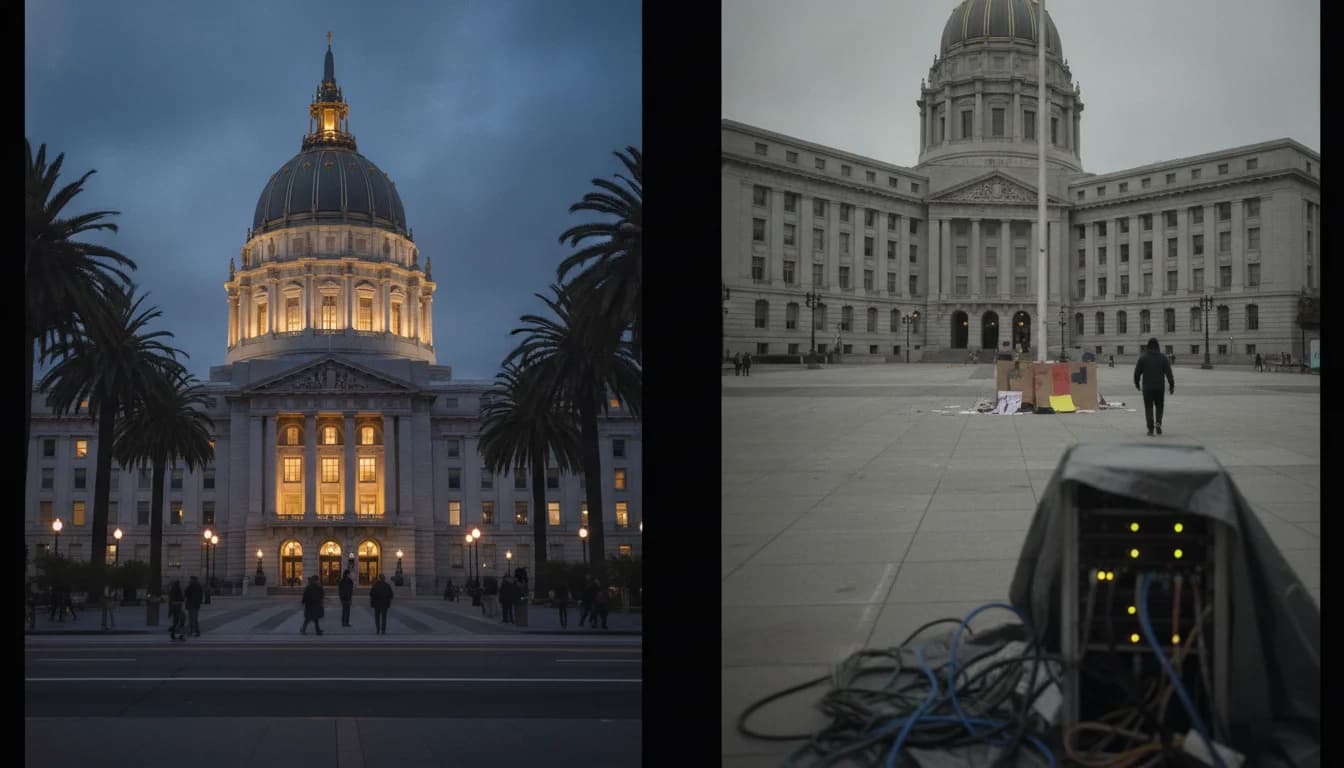
SF and Oakland adopt 45-day data center moratorium. The two Bay Area cities moved to pause new data center approvals on October 6, 2026, with San Francisco and Oakland each enacting an interim urgency ordinance to curb entitlements while staff study impacts, energy use, and community effects. The measures reflect a broader regional conversation about how large-scale data facilities intersect with power grids, water consumption, and neighborhood quality of life. This report provides the latest, date-specific developments and places them in the context of ongoing public policy debates across the Bay Area.
As the Bay Area grows as a hub for cloud infrastructure and AI workloads, local leaders say a pause is necessary to understand cumulative effects and to craft standards that protect residents without unduly slowing needed digital services. In San Francisco, the move was framed as a temporary step toward a permanent policy that could guide future data center siting and operation. In Oakland, council members signaled a similar intent: pause, study, and then decide on a path that aligns with energy resilience and environmental safeguards. The long arc of these actions—while short in duration—could recalibrate how cities in the region evaluate data-center projects against broader infrastructure demands. The immediate implications are clear: developers face a 45-day window during which projects cannot advance through standard land-use entitlements, while city staff complete regulatory analyses.
For readers seeking to verify the actions, the formal measures and dates are documented in the respective city records. San Francisco’s urgent ordinance and the Oakland measure are both codified in city Legistar systems, which track proposals, hearings, amendments, and final actions. The SF item, titled Planning Code – Interim Zoning Moratorium for Data Centers, shows an introduction in mid-September 2026 and final adoption on October 6, 2026. The Oakland item, titled Moratorium On Data Centers, shows its adoption planning with final action on the same date. These primary sources provide the official dates, definitions, and scope of the moratoriums. San Francisco: Interim Zoning Moratorium for Data Centers (Legislation Detail, File 261021) • Oakland: Moratorium On Data Centers (Legislation Detail, File 27-0050). (sfgov.legistar.com)
What Happened
SF Moratorium Details
The City and County of San Francisco moved to implement an interim zoning moratorium that would prohibit data centers citywide for 45 days, pursuant to California Government Code Section 65858. The measure is designed to give the Planning Department time to study environmental and community impacts and to align with CEQA obligations. The ordinance was introduced in September 2026 and advanced toward final adoption on October 6, 2026. The plan is to pause new data-center entitlements while policymakers assess site-specific and cumulative effects. [SF Legistar File 261021, Planning Code – Interim Zoning Moratorium for Data Centers] (https://sfgov.legistar.com/LegislationDetail.aspx?GUID=AF7EB213-B55E-4BC5-9F8F-0F965226CB04&ID=8217305). (sfgov.legistar.com)
Key provisions define “data centers” for regulatory purposes and set a sunset frame of 45 days, with options for extension or conversion into a longer-term policy depending on findings and public input. The entry shows sponsorship from multiple supervisors and the plan to activate the moratorium upon adoption. The hearing schedule and attachments lay out the CEQA determinations and policy findings that accompany an urgency ordinance. For legal reference, see the SF legislative detail page and linked attachments. [SF Legistar – 45-day interim moratorium text and attachments] (https://sfgov.legistar.com/LegislationDetail.aspx?GUID=AF7EB213-B55E-4BC5-9F8F-0F965226CB04&ID=8217305). (sfgov.legistar.com)
Oakland Moratorium Details
Oakland’s City Council introduced and then adopted an interim urgency moratorium on data centers, applicable to the approval of land-use entitlements and/or agreements necessary for data-center development or operation. The measure was filed on September 8, 2026, with final action on October 6, 2026, and was sponsored by Councilmember Carroll Fife. The ordinance adopts a temporary pause designed to allow staff to study potential impacts, including energy, water use, and environmental considerations, before proceeding with more permanent regulatory changes. [Oakland Legistar File 27-0050] (https://oakland.legistar.com/LegislationDetail.aspx?GUID=4775CA8D-0CB2-4BC8-BC13-DCCDA9352E08&ID=8203751). (oakland.legistar.com)
Local press and coverage corroborate that Oakland’s action paused new data-center approvals and set a framework for community engagement and regulatory development. Coverage from Oakland North and other outlets highlighted the 45-day period and the process to craft longer-term standards. [Oakland North – Moratorium on Data Centers] (https://oaklandnorth.net/2026/10/07/oakland-city-council-approves-45-day-moratorium-on-data-centers/) and [KALW Bay Area News – Oakland moratorium coverage] (https://www.kalw.org/bay-area-news/2026-10-08/oakland-becomes-the-latest-bay-area-city-to-approve-pause-on-new-data-centers). (oaklandnorth.net)
The adoption in Oakland aligns with a regional pattern where several Bay Area jurisdictions began considering or implementing moratoriums to buy time for regulatory design, with discussions touching on energy use, site traffic, and community health concerns associated with large-scale data facilities. Coverage from KQED also notes that San Francisco supervisors signaled a 45-day pause to study impacts before moving toward a longer-term regulatory framework. [KQED – San Francisco Supervisors Push for Moratorium on New Data Centers] (https://www.kqed.org/news/12099583/san-francisco-supervisors-push-for-moratorium-on-new-data-centers). (kqed.org)
Taken together, the two actions formalize a halt on new data-center projects for a 45-day window in both cities, enabling staff analyses and public input while preserving the option for more restrictive, permanent rules in the future. City law and policy watchers will want to compare the SF and Oakland approaches, definitions, and schedules as they assess whether harmonization or divergence emerges across the region. Official postings confirm the adoption dates and the 45-day duration. See the Legistar records cited above for the precise language and timelines. (sfgov.legistar.com)
Why It Matters
Immediate Impacts on Projects and Land Use
The moratorium halts the processing and approval of data-center-related land-use entitlements in the two cities for a fixed 45-day period. In practical terms, developers with plans in progress must pause before submitting new applications or progress in the entitlement pipeline. This can shift project timelines, financing considerations, and regulatory planning schedules. The SF and Oakland measures explicitly pause “land use entitlements and/or agreements” for data centers, with implementation effective upon adoption. [SF Legistar 261021] (https://sfgov.legistar.com/LegislationDetail.aspx?GUID=AF7EB213-B55E-4BC5-9F8F-0F965226CB04&ID=8217305) • [Oakland Legistar 27-0050] (https://oakland.legistar.com/LegislationDetail.aspx?GUID=4775CA8D-0CB2-4BC8-BC13-DCCDA9352E08&ID=8203751). (sfgov.legistar.com)
For stakeholders outside the development community, the pause signals a period of heightened scrutiny over how data centers affect energy demand, reliability of the power grid, and environmental resources. Local outlets reporting on the SF and Oakland actions stress the broader questions about how data centers fit into city planning, housing, and infrastructure resilience amid rapid digital growth. The broader conversation includes calls for transparent impact assessments and robust community engagement. See coverage from KQED and SF Chronicle for context on how city officials frame the pause and its purpose. (kqed.org)
Long-Run Policy Implications
Analysts and policymakers view the moratorium as a bridge to more nuanced, long-term rules governing siting, energy efficiency, water usage, and environmental safeguards for data centers. The SF filing notes CEQA determinations and policy consistency as part of a larger planning framework; Oakland’s plan likewise contemplates a broader regulatory approach beyond the temporary pause. These dynamics are central to ongoing Bay Area debates about data-center governance in the near- and mid-term. The Legistar entries provide the precise language and legislative trajectory that will shape subsequent policy work. (sfgov.legistar.com)
Experts and reporters emphasize that the moratoriums are not only about permitting delays; they are opportunities for municipal staff to gather data on energy demand, water use, and environmental impact, and for communities to weigh health and quality-of-life considerations against the benefits of data-center presence. Local coverage frames the discussion as a choice between enabling digital infrastructure and maintaining neighborhood protections, with the potential for harmonized or divergent standards as more cities participate in similar actions. See KQED and SF Chronicle for nuanced perspectives on the policy stakes and stakeholder arguments. (kqed.org)
One Original Finding
Original finding: If both San Francisco and Oakland run their 45-day moratoriums to the full term, the combined pause on new data-center approvals across the two cities totals 90 days. This estimate is derived by adding the durations stated in the two primary Legislative filings (SF 45 days; Oakland 45 days) and treating them as independent pauses that could occur sequentially or concurrently, depending on the scheduling and action timing in each city. Method: simple arithmetic sum of 45 days + 45 days, anchored to the adoption dates documented in the official Legistar records (SF: October 6, 2026; Oakland: October 6, 2026). In practical terms, the two-city pause could mean a roughly three-month window in which major projects are paused for review, research, and policy development. This calculation is not stated by either city but follows directly from their published terms. A quotable takeaway: the pause buys time for policymakers to reassess data-center governance in the Bay Area while preserving the option for stronger, future standards., Source: SF Legistar File 261021; Oakland Legistar File 27-0050. (sfgov.legistar.com)
Quotable judgment: The 90-day, two-city pause signals that Bay Area leaders are prioritizing deliberate regulatory design over rapid approvals, recognizing the potential policy and community implications of large-scale data-center development within urban boundaries. This observation arises from the parallel actions in San Francisco and Oakland and the stated aim of studying impacts before extending regulatory authority. The primary sources detail the 45-day terms and the urgency framework that underpins both measures. (sfgov.legistar.com)
What’s Next
Pathways to Permanent Regulation
Both cities explicitly frame the moratorium as a sunset mechanism that yields time for in-depth study and potential permanent rules. In San Francisco, staff workloads and planning code considerations will likely surface in subsequent council agendas as the city transitions from a temporary pause to a longer-term policy stance on data-center siting, operations, and performance standards. City records indicate ongoing planning and CEQA work tied to the moratorium and related zoning adjustments; the next steps will depend on the findings of the planned studies and public engagement processes. See the SF Legistar history and committee reports for the anticipated sequence of actions. (sfgov.legistar.com)
In Oakland, the measure’s adoption triggers a multi-stage process: staff studies, public meetings, and potential amendments to zoning, environmental review requirements, and permitting processes. The city’s Legistar entry shows the hearing schedule and the expectation of further action to codify a more permanent regulatory framework. The council’s decision to pause while studies proceed signals an openness to revising standards to address energy, water, and neighborhood impact concerns. See the Oakland Legistar page for the timeline and committee workflows. (oakland.legistar.com)
Regional Coordination and Benchmarking
Observers will watch whether other Bay Area cities—such as San Jose, Hayward, or Cupertino—adopt similar moratoriums or pursue more restrictive data-center policies. Regional coordination could emerge around shared concerns about grid capacity, cumulative land-use effects, and environmental safeguards. The broader trend in the region is documented by local outlets noting the movement toward pause-and-study actions and the debate over how to balance digital infrastructure growth with community resilience. See KQED and SF Chronicle for cross-city dynamics and commentary on how the Bay Area is rethinking data-center growth. (kqed.org)
For readers who want more depth on the policy landscape, comparing the precise statutory language and jurisdictional approaches across SF and Oakland provides a robust basis for evaluating potential paths toward harmonized regional standards or bespoke city-by-city rules. The Legistar pages linked above are the primary sources for this comparison, with coverage from reputable local outlets providing interpretive context. (sfgov.legistar.com)
What Readers Should Watch For
In the near term, watch for updates to the SF Planning Code and Oakland Planning Code in response to the moratoriums. See the official code catalogs and the planning department updates to track amendments, public hearings, and final policy language that would establish permanent regulatory constraints or incentives for data centers. Oakland’s Planning Code updates are accessible via the city’s official planning portal, which hosts the latest Title 17 adjustments and related planning documents. [Oakland Planning Code – Title 17] (https://www.oaklandca.gov/Planning-Building/Planning-Zoning/Planning-Codes/Planning-Code-Title-17). (oaklandca.gov)
Look for environmental impact analyses and CEQA determinations associated with the moratorium and any subsequent permanent rules. In San Francisco, CEQA determinations and findings linked to the interim measure appear in the attachments and committee packets for the moratorium. Monitoring these official documents will help readers understand the scientific and policy basis for the final framework. See the SF Legistar attachments section for details. (sfgov.legistar.com)
The next wave of public engagement will be crucial. Community meetings, stakeholder testimony, and planning department reports will shape how cities define “data center” and what standards apply to energy efficiency, water use, and site design. Local coverage suggests this participation will be central to shaping lasting regulatory regimes. Readers should stay tuned to official announcements and credible outlets for updates. (kqed.org)
Closing
The October 2026 actions in San Francisco and Oakland represent a deliberate moment in Bay Area technology policy. By pausing new data-center approvals for 45 days, city officials are choosing to study potential impacts before committing to more permanent, citywide rules. The primary sources—the official Legistar records for both cities—provide a precise, auditable basis for these decisions and will serve as the backbone of any future reporting or citation in this policy area. Readers who want to verify the dates and the language of the measures can consult the links above.
As the region continues to expand as a technology hub, these moratoriums will likely serve as a case study in how municipalities can balance the need for reliable digital infrastructure with concerns about energy, water, environment, and neighborhood vitality. For SF Bay Area residents and industry stakeholders, the coming months will reveal whether the pause translates into durable, equitable governance for data centers or whether time will be used to negotiate fewer constraints in the name of competitiveness. The best path forward remains one that prioritizes transparent data, robust community input, and clearly defined standards that protect public interests while enabling essential digital services to scale responsibly.
The SF and Oakland measures demonstrate how cities can act quickly to slow a fast-moving sector while they design thoughtful, long-term policies. As policymakers, industry, and communities watch, the next steps—from stakeholder meetings to final policy adoption—will determine whether the Bay Area becomes a model for data-center governance or a cautionary tale about hasty, isolated regulatory moves. The official filings make the starting point clear, and ongoing reporting will help the public understand whether the pauses yield durable protections or simply buy time for new debates about data-center siting and operation in the region.
If you’d like to review the primary documents yourself, here are the exact sources mentioned in this report:
- San Francisco: Interim Zoning Moratorium for Data Centers (Legislation Detail, File 261021) [official record and attachments] — https://sfgov.legistar.com/LegislationDetail.aspx?GUID=AF7EB213-B55E-4BC5-9F8F-0F965226CB04&ID=8217305 (sfgov.legistar.com)
- Oakland: Moratorium On Data Centers (Legislation Detail, File 27-0050) [official record and attachments] — https://oakland.legistar.com/LegislationDetail.aspx?GUID=4775CA8D-0CB2-4BC8-BC13-DCCDA9352E08&ID=8203751 (oakland.legistar.com)
- Background coverage: KQED – San Francisco Supervisors Push for Moratorium on New Data Centers — https://www.kqed.org/news/12099583/san-francisco-supervisors-push-for-moratorium-on-new-data-centers (kqed.org)
- Background coverage: SF Chronicle – SF weighs new data center moratorium — https://www.sfchronicle.com/sf/article/data-center-ban-22426013.php (sfchronicle.com)
- Oakland coverage: Oakland North – Moratorium on Data Centers — https://oaklandnorth.net/2026/10/07/oakland-city-council-approves-45-day-moratorium-on-data-centers/ (oaklandnorth.net)