
Sanctum Baths Approved by SF Planning Commission
Sanctum Baths receives planning approval on Nov 5, 2026, marking the first new gay bathhouse opening in San Francisco in many decades.
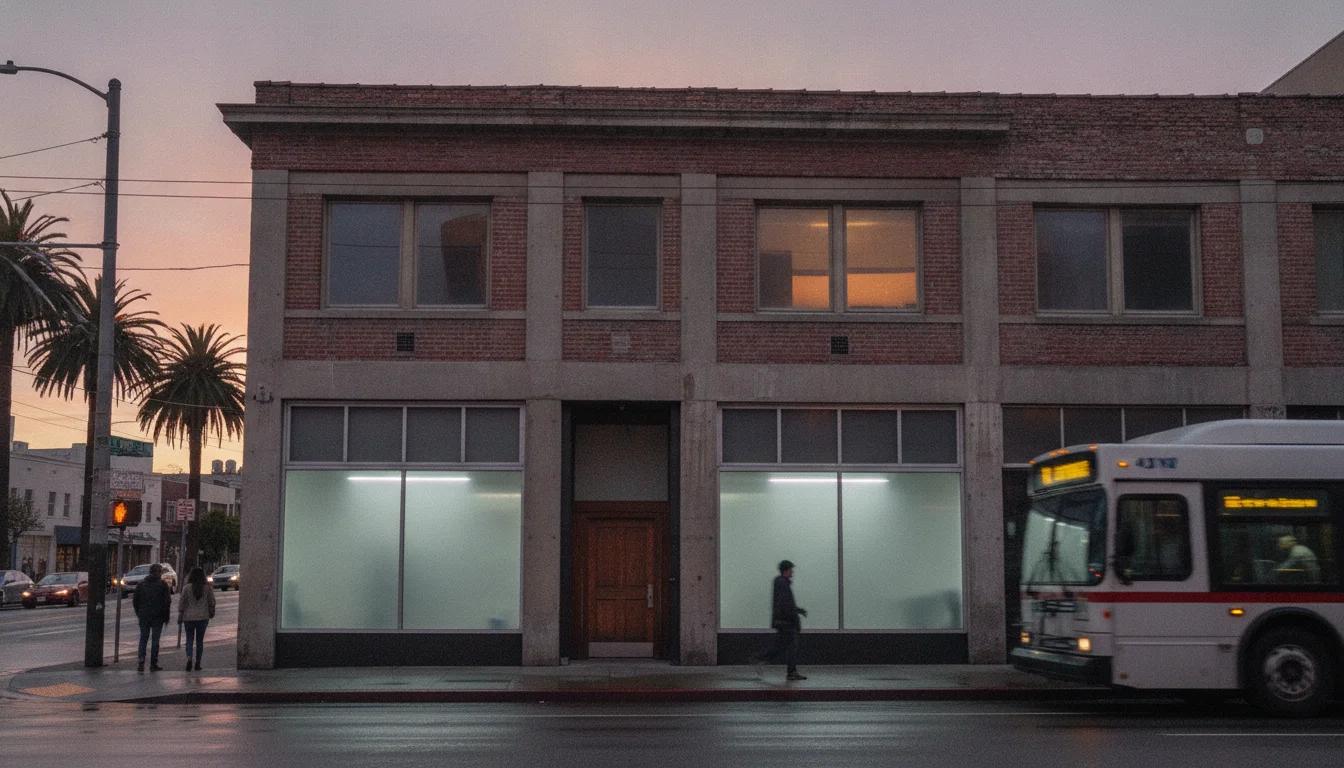
Sanctum Baths is moving from concept to reality in San Francisco, marking a historic pivot for the city’s LGBTQ+ cultural landscape and for how urban policy can shape nightlife and wellness spaces. On November 5, 2026, the San Francisco Planning Commission approved permits for Sanctum Baths, a two–story, 7,516-square-foot bathhouse proposed for 40 12th Street in the South of Market Leather and LGBTQ Cultural District. This milestone comes after years of policy evolution surrounding adult venues in the city and signals a potential turning point for queer-focused commercial spaces in San Francisco. The formal action was documented by the San Francisco Planning Department as part of its public notices, and it was subsequently highlighted by local and national outlets as a sign of the city’s broader regulatory recalibration toward historically overlooked venues. Sanctum Baths’ approval is the focal point for a broader discussion about how tech-driven growth, urban diversity, and public health history intersect in today’s Bay Area economy. The central fact of the moment is that Sanctioned space for Sanctum Baths received a thumb from city planners on November 5, 2026, advancing SF’s trajectory toward renewed LGBTQ+ gathering spaces in a modern, safety-conscious framework. 7-0 planning approval and a 7,516-square-foot footprint were cited in the official notices and corroborated by local reporting. (sfplanning.org)
Sanctum Baths’ emergence is occurring at a moment of renewed attention to how San Francisco accommodates community-centered spaces within a rapidly evolving urban economy. The project’s footprint sits at the nexus of health, wellness, community gathering, and architectural reactivation in a district that has long served as a beacon for queer life in the city. The San Francisco Chronicle’s coverage notes that the space would feature typical bathhouse amenities—saunas, steam rooms, showers, and lounge areas—alongside a controlled entry and gender-affirming design considerations intended to balance safety with privacy. The publisher’s report also emphasizes the role of the planning process in shaping a site that aligns with the Leather and LGBTQ Cultural District’s goals. The broader significance is that Sanctum Baths, if opened by late 2027, would represent the first new gay bathhouse in San Francisco in several decades, a reality underscored by coverage from multiple outlets. (sfchronicle.com)
Section 1: What Happened
The Approval Milestone
Date and decision
- On November 5, 2026, the San Francisco Planning Commission voted 7-0 to approve the permits for Sanctum Baths, enabling the project to proceed toward entitlement and construction under the city’s planning framework. The public-record notices and planning documents confirm this date and the nature of the action, marking a formal milestone for the project. This hearing and its outcome are recorded in the city’s public notices and planning agendas, which provide the official basis for the project’s entitlement path. The national and local press subsequently summarized the vote as a landmark moment for the city’s LGBTQ+ infrastructure and business climate. The combination of official notices and subsequent reporting frames Sanctum Baths as a historically significant development in San Francisco’s urban policy and nightlife ecosystem. For readers seeking the primary record, see the SF Planning Department’s public notices and the Planning Commission’s meeting agenda. (sfplanning.org)
Project context and scope
- Sanctum Baths is planned at 40 12th Street, a site within SoMa that sits between Van Ness Avenue and Market Street, in close proximity to the Leather and LGBTQ Cultural District. The building’s footprint is described as 7,516 square feet across two stories, a scale that aligns with a mid-sized bathhouse operation. The project sponsor is Kevin Born, founder of Ashbury Construction, who has described the concept as a professionally operated health, wellness, and community bathhouse. The San Francisco Chronicle’s reporting confirms the two-story configuration and the building size, highlighting that the purpose-built venue would include saunas, steam rooms, showers, privacy-forward changing areas, a lounge, and a wellness/staffed environment intended to balance safety with community access. The official notices also identify the permit types involved (Conditional Use Authorization and Variance) as part of the entitlement package. (sfchronicle.com)
What the planning documents show
- The public notices and related planning materials for 40 12th Street reflect the project’s regulatory journey through the Planning Commission and its staff. The notices specify the hearing date (November 5, 2026) and indicate the project’s permit set (2025-004186CUA/VAR), with planning staff outlining conditions to address noise, lighting, and neighborhood compatibility. The November 12, 2026 CPC agenda further situates Sanctum Baths within the Commission’s deliberations and indicates the ongoing review of related land-use actions. These documents serve as the primary source record of the event and provide the exact administrative path Sanctum Baths must navigate to obtain site permits and a building permit. (sfplanning.org)
Project Details and Design Intent
Footprint and facilities
- The 7,516-square-foot, two-story building at 40 12th Street has been described as the base for a bathhouse that would include traditional elements associated with bathhouse culture, such as saunas and steam rooms, as well as lounges and changing facilities designed with privacy and safety in mind. The project’s sponsor has positioned Sanctum Baths as a professional, upscale venue intended to serve the LGBTQ+ community, while also aligning with contemporary urban design standards for a high-quality, community-centered facility. The SF Chronicle’s coverage provides a concise summary of these features, while the public notices outline the regulatory framing within which those features will be implemented. (sfchronicle.com)
Timeline to opening
- While the official notices focus on the planning action, reporting indicates Kevin Born hopes to open Sanctum Baths by late 2027. This timeline reflects typical post-approval processes, including final environmental review (if required), building permits, condition compliance, and site readiness. The city’s planning calendar and the reporting timeline from major outlets converge on a late-2027 target, with local coverage noting that construction and compliance steps will unfold over the next year or so. This timeline will depend on post-approval conditions and any appeals or regulatory steps that might arise, but the current reporting places a late-2027 opening as the most probable milestone. (sfchronicle.com)
Section 2: Why It Matters
Broader Context for the City and the Market
Historical context and policy evolution
- Sanctum Baths’ approval sits within a longer arc of San Francisco policy evolution around LGBTQ+ spaces and adult venues. The Chronicle notes that public health concerns historically contributed to the closure of bathhouses in the 1980s, culminating in significant regulatory changes in 2020 and 2022 that reopened or relegalized certain adult venues in historically LGBTQ neighborhoods. This history matters because it frames Sanctum Baths not merely as a single business venture but as a potential bellwether for how the city balances safety, health, cultural heritage, and economic vitality in a dynamic urban economy. The historical frame is supported by public health data and policy reporting cited by the Chronicle, including the drop in new HIV diagnoses and the city’s evolving stance on adult venues as part of queer neighborhood renewal. (sfchronicle.com)
Economic and community implications
- The arrival of Sanctum Baths is often discussed in terms of local economic impact, neighborhood vitality, and the broader social role of LGBTQ+ spaces in urban renewal. Proponents argue that sanctioned bathhouse spaces can contribute to foot traffic, nightlife diversification, and cultural continuity in historically LGBTQ districts. Critics may raise questions about noise, traffic, and safety—issues that the planning process explicitly seeks to address through conditions and design requirements. The reporting surrounding Sanctum Baths highlights this tension and emphasizes how the project sits at the intersection of urban policy goals and community identity. The SF Chronicle’s reporting, which frames the project within the Leather and LGBTQ Cultural District’s ongoing evolution, provides a credible anchor for these discussions. (sfchronicle.com)
Who Is Affected and Why It Matters Now
Local LGBTQ community and allies
- Sanctum Baths is positioned as a space dedicated to LGBTQ+ health, wellness, and community space. The project’s supporters emphasize the need for safe, welcoming venues that acknowledge LGBTQ history while providing modern amenities and professional operations. This framing aligns with a broader policy discourse about the role of inclusive spaces as part of urban vitality and neighborhood stability. The public reporting from local outlets underscores the significance of the space as a community anchor, particularly in a district known for LGBTQ history and culture. (sfchronicle.com)
Urban policy and planning implications
- The planning decisions around Sanctum Baths reflect a calibrated approach to land-use, zoning, and discretionary approvals in a dense, transit-rich urban environment. The assignment of the project to CUAs (Conditional Use Authorization) and VAR (Variance) processes, as documented in public notices, highlights the city’s use of discretionary tools to balance private investment with public interest and neighbor concerns. The November 12 CPC agenda and the November 5 hearing records illustrate how San Francisco’s planning framework applies to ambitious, culturally significant venues that test the edges of traditional land use. For readers tracking policy development, these documents illustrate the real-time application of zoning and planning standards in a high-profile case. (sfplanning.org)
Section 3: What’s Next
The Path Forward
Next regulatory steps and expectations
- With planning approvals in place, Sanctum Baths will proceed through the remaining entitlement and permitting steps, including final building permits, potential site-specific conditions, and adherence to any environmental review requirements. The planning calendar and CPC packet signal ongoing oversight and the possibility of additional conditions before occupancy. This phase typically includes final design compliance checks, construction inspections, and coordination with neighborhood stakeholders to ensure the venue aligns with both city code and community expectations. The CPC meeting materials and public notices provide the framework for these subsequent steps. (sfplanning.org)
Timeline for construction and opening
- As stated by project sponsors and echoed by media coverage, the anticipated opening window is by late 2027. While this timeline can be adjusted by unforeseen regulatory or construction issues, it reflects the current understanding of the post-approval process and the scale of development involved in converting a mid-sized commercial building into a specialized bathhouse. The city’s public notices and the Chronicle’s reporting collectively set expectations for a multi-quarter development timeline. Readers monitoring the story should keep an eye on the Planning Commission’s ongoing actions and any updates to the project’s hearing schedule or permit conditions. (sfchronicle.com)
What to watch for next
- Final design compliance adjustments: The planning process may require further refinements to exterior design, storefront transparency, lighting, or noise attenuation. The public notices explicitly reference conditions tied to these design and environmental considerations. Look for subsequent filings or notices from the Planning Department that outline approved plans, any amendments, and the timeline for permit issuance. (sfplanning.org)
- Community engagement milestones: As with any venue touching an LGBTQ cultural district, community input and neighborhood feedback will likely continue to shape post-approval conditions. Local organizations and advocacy groups frequently participate in public comments and may issue updates on reservation policies, safety protocols, and accessibility standards that accompany the final build-out. Ongoing local reporting, including Chronicle and targeted LGBTQ-focused outlets, will likely capture these developments. (sfchronicle.com)
- Market and policy signals: Sanctum Baths is part of a broader conversation about how older urban spaces can be revitalized through carefully licensed, modernized operations. Observers should track how SF’s approach to adult venues in LGBTQ districts evolves in the next 12–24 months, particularly in relation to zoning, public health standards, and cultural district policies. The public policy context is critical to understanding whether Sanctum Baths will serve as a template for similar projects in other neighborhoods. (sfchronicle.com)
Closing
Sanctum Baths represents more than a single development project. It embodies a moment when San Francisco’s urban policy, LGBTQ+ heritage, and market dynamics intersect to address a long-standing cultural and economic gap. The November 5, 2026 planning decision signals a path forward for a district that has historically been a cradle of queer life and community resilience, even as the city continues to adapt to rapid tech-driven growth and changing tastes in nightlife and wellness. As the Bay Area Times continues to cover this story, readers can expect updates on construction progress, final permit conditions, and the opened doors of Sanctum Baths as a new anchor for SoMa’s LGBTQ+ community.
For readers who want to verify the core event and the official regulatory steps, consult the San Francisco Planning Department’s public notices detailing the 40 12th Street project and the Planning Commission’s November 12, 2026 agenda. Those primary sources anchor the moment in time and provide the official framework for what comes next. The broader narrative—about how Sanctum Baths will shape LGBTQ+ public life, urban policy, and market dynamics in the Bay Area—will unfold in the months ahead as construction begins and the venue prepares to welcome its first guests. (sfplanning.org)