
Senate Resolution 193 Emperor Norton Tunnel
Senate Resolution 193, Emperor Norton Tunnel: a detailed, data-driven examination of the Bay Bridge naming proposal and its wider implications.
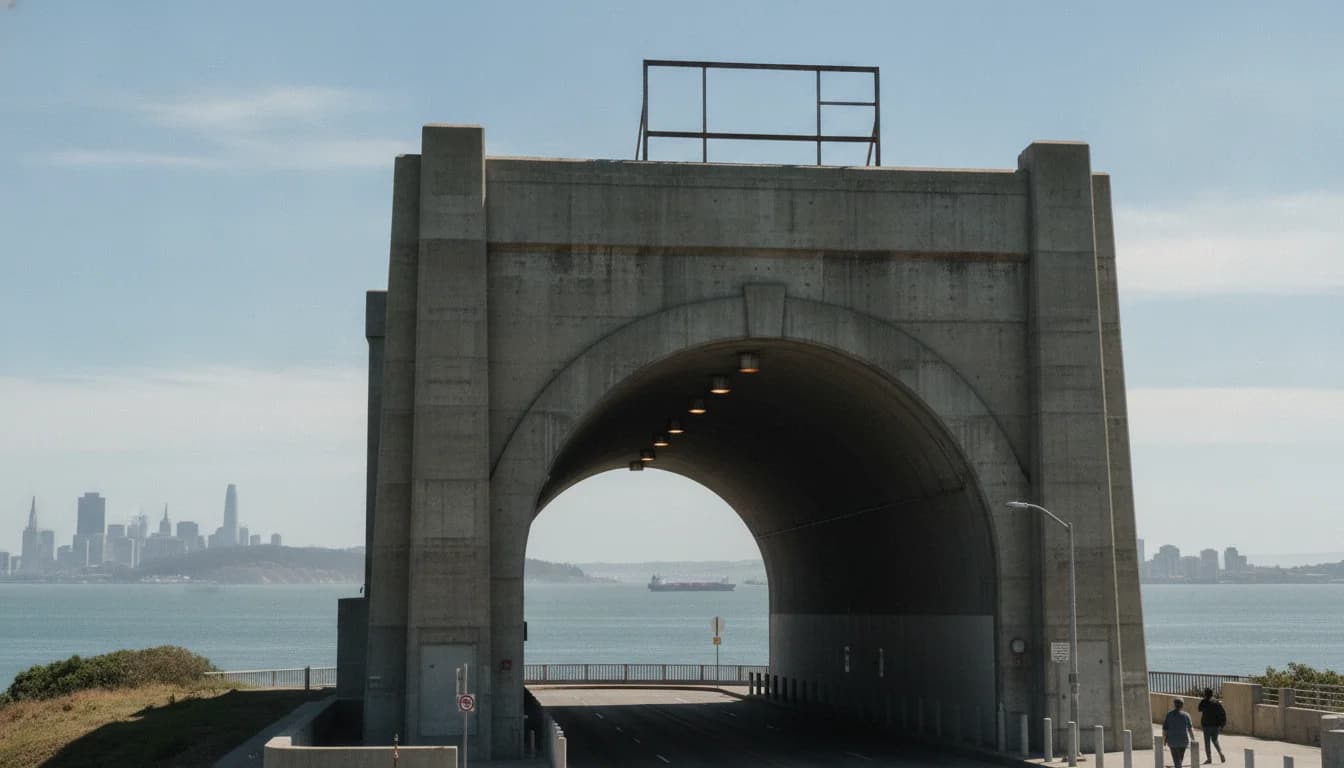
San Francisco’s tech-driven economy and rich civic history intersect in a new, time-sensitive development. In early August 2026, news broke that California lawmakers may rename a portion of a landmark Bay Area infrastructure project to honor a famed local figure. Senate Concurrent Resolution 193 proposes naming the Yerba Buena Tunnel on the San Francisco–Oakland Bay Bridge the Emperor Norton Tunnel. The move, introduced by Senator Scott Wiener, is part symbolic homage to a character who has long captured San Francisco’s imagination and part practical discussion about branding and wayfinding on one of the region’s most visible transit corridors. The news matters not only for fans of local history but also for residents, commuters, and businesses who rely on clear, consistent signage and calibrated public messaging about regional infrastructure. As reporting quickly established, the resolution’s success depends on a sequence of steps, from legislative action to a potential signage-cost assessment by the California Department of Transportation. The discussion is unfolding as the Bay Bridge marks a significant milestone in its long, storied history, and as local groups accelerate advocacy around the Norton legacy in concrete, name-on-signature form. These developments come with a historical backdrop: Norton’s 19th-century proclamations about a Bay Bridge-like route, and the bridge’s 1936 opening, remain touchstones for contemporary debates about how cities encode memory into infrastructure. (axios.com)
The conversation around Senate Concurrent Resolution 193 is being watched closely by historians, civic groups, and policy analysts who study how naming decisions reshape public space and collective memory. Proponents argue that honoring Emperor Norton—an iconic, if unconventional, San Francisco figure—could strengthen civic pride and connect a modern engineering achievement to the city’s cultural narrative. Opponents, meanwhile, emphasize policy complexity, the need for rigorous fiscal analysis, and the potential for naming debates to divert attention from operational priorities like safety, maintenance, and congestion relief. As with many state-level naming measures, the outcome hinges on careful alignment of historical symbolism with practical costs and public consensus. The Bay Bridge, and especially the western tunnel through Yerba Buena Island, remains a critical artery for regional mobility, commerce, and daily life; any proposed renaming will touch signage, navigational apps, tourism messaging, and the public’s sense of place. (axios.com)
Section 1: What Happened
Announcement Details
A formal proposal enters the legislative arena
In a move that blends local history with contemporary transportation policy, Senate Concurrent Resolution 193 was introduced by Senator Scott Wiener in early August 2026. The measure would rename the Yerba Buena Tunnel—a key component of the San Francisco–Oakland Bay Bridge system—the Emperor Norton Tunnel. The framing is explicit: honor a San Francisco-era figure whose historical proclamations linked the city to grand transportation ambitions, and anchor that memory in a named segment of a modern structure that continues to move thousands of people daily. The announcement was reported by national and local outlets, which highlighted that the resolution directs state authorities to study the feasibility and branding implications of the proposed name change. The immediate procedural note accompanying the report is that the resolution represents a state-level naming proposal, subject to the usual committee reviews, amendments, and potential votes as it moves through the Legislature. The report also indicates that a practical follow-up task would be for the California Department of Transportation to estimate the cost of replacing signage to reflect the Emperor Norton Tunnel designation. This latter step underscores the policy-relevant balance between memory-work and the logistical realities of a state-operated roadway network. (axios.com)
The San Francisco Bay Bridge context and Norton’s legacy
The Yerba Buena Tunnel sits within a larger, historic Bay Bridge corridor whose other designations and public memories have long sparked debates about naming. Norton’s 19th-century legacy—his proclamations and public persona—are well documented in local historical resources and advocacy materials. The Emperor Norton Trust and related local historical outlets have drawn explicit connections between Norton’s ideas about connecting the East Bay to San Francisco and the Bay Bridge’s classical role in linking the two communities. These sources place the current naming conversation in a longer arc of civic storytelling: Norton’s imagined Bay Bridge route dates back to his era, and the Bay Bridge itself opened in 1936, decades after his era’s visions. The most current articulation from advocacy groups positions the Emperor Norton Tunnel as a 2026 milestone, aligning with Norton’s anniversaries and Bay Area history commemorations. (emperornortontrust.org)
What the press and advocacy are saying
Industry media and advocacy organizations have framed the issuance of Senate Concurrent Resolution 193 as a timely convergence of heritage and infrastructure policy. News coverage characterizes Wiener’s action as a formal legislative step toward commemorating Norton within the Bay Area’s iconic Bay Bridge facility, while noting the practical step of requesting a cost estimate for signage changes. The framing suggests a measured process: a ceremonial naming proposition anchored by substantive administrative steps to evaluate the financial and logistical implications of signage changes along a major corridor. The coverage also emphasizes Norton’s place in San Francisco’s cultural imagination—an identity that has repeatedly resurfaced in public discussions about city branding, historical memory, and the public’s sense of place. (axios.com)
Timeline to Date
Foundational historical context
As part of the broader Norton lore, Norton’s proclamations about a bridge connecting San Francisco to Oakland appeared decades before the Bay Bridge opened. Norton’s ideas and the cultural memory surrounding them are repeatedly cited by historians and cultural organizations. The connection to urban mobility—long envisioned by Norton and later realized with the Bay Bridge—helps frame today’s naming discussions within a narrative of local innovation and ambitious public works. Contemporary sources reinforce that Norton’s legacy is being revisited in 2026 as a branding and memory project rather than a procedural overhaul of an existing roadway system. While Norton’s exact proposals occurred in the 19th century, today’s policy-makers and civic groups are testing how best to reflect that heritage in a modern infrastructure setting. (emperornortontrust.org)
Endorsements and organizational support
In the months leading up to the August 2026 proposal, several San Francisco institutions and civic groups publicly expressed support for the Emperor Norton Tunnel concept. The Emperor Norton Trust’s communications noted endorsement from The Imperial Council of San Francisco, marking an initial institutional alignment with the project. Additional support from local cultural institutions and historical societies has been reported, reinforcing the idea that the naming proposal enjoys a broad base of historical and cultural interest beyond niche advocacy circles. These endorsements are important for shaping the public conversation and for building a case that the renaming aligns with San Francisco’s identity as a city that cherishes its unusual and storied past. (emperornortontrust.org)
Background facts about the Yerba Buena Tunnel and Bay Bridge
The Yerba Buena Tunnel is an element of the Bay Bridge system that carries traffic through Yerba Buena Island as part of the corridor linking San Francisco and Oakland. The Bay Bridge itself opened in 1936, a historical anchor for this region’s transportation infrastructure. The naming conversation, by connecting a sea-change piece of infrastructure to a local historical figure, sits at the intersection of engineering, urban planning, and public memory. While Norton’s proposals and the Bay Bridge’s opening are historical facts, the current naming conversation is a contemporary policy question embedded in a longer story about how a city remembers and labels its built environment. (en.wikipedia.org)
Key provisions and what the resolution asks
The core provision of Senate Concurrent Resolution 193—per its widely reported descriptions—centers on renaming the Yerba Buena Tunnel to Emperor Norton Tunnel. In addition to the name change, the resolution directs state agencies to consider the signage implications by requesting a formal estimate of the costs to replace signage along the tunnel and adjacent segments of the Bay Bridge approach. This dual focus—cultural homage plus practical cost assessment—frames the proposal as a measured, policy-forward initiative rather than a purely symbolic gesture. The source material notes that the immediate next step would be cost-estimation work by the California Department of Transportation (Caltrans), which would quantify the signage replacement in the context of a larger public works footprint. (axios.com)
Section 2: Why It Matters
Cultural and Historical Relevance
Norton’s enduring imprint on the Bay Area brand
Emperor Norton’s legend has endured in San Francisco as a symbol of wit, audacity, and civic imagination. The Norton story—his self-declared imperial title, his late-19th-century proclamations, and the city’s enduring fascination with his persona—has become part of the region’s cultural tapestry. Naming a segment of the Bay Bridge after Norton would, in effect, translate a historical persona into a contemporary navigational cue. This is more than a ceremonial gesture; it is a statement about how a city curates memory in a world where infrastructure is a daily partner in public life. Norton’s historical profile is widely discussed by local historians and cultural organizations, providing a framework for evaluating whether such a renaming adds meaningful cultural value to residents and visitors. The Norton corpus—ranging from museum entries to trust-led commentary—portrays a figure whose story transcends his era and continues to resonate with San Francisco’s identity. (sfmuseum.org)
Public memory and city branding in practice
Naming infrastructure has a long precedent in San Francisco and California more broadly, where commemorations are used to honor notable figures and to emphasize shared history. The Bay Bridge’s history—paired with Norton’s 1872 proclamations and the bridge’s 1936 opening—provides a narrative scaffold for evaluating the potential value of a named tunnel. The Emperor Norton Trust and allied organizations argue that such naming can deepen public engagement with regional history, spur educational opportunities, and create a tangible link between the city’s past and its present-day mobility. This approach aligns with broader civic practices in which naming serves as a living archive—one that can be revisited, debated, and revised as public memory evolves. (emperornortontrust.org)
Navigational and messaging considerations
From a practical standpoint, changing a tunnel’s name has implications for signage, digital maps, transit apps, and tourism materials. Caltrans and related agencies must consider the cost, logistics, and user experience implications of such a renaming. The Axios report underscores that one of the most immediate practical tasks associated with the proposal is to estimate signage costs. In an era of real-time navigation and ubiquitous travel information, even seemingly symbolic changes can ripple through multiple interfaces and user touchpoints. The discussion thus sits at the intersection of heritage and usability, requiring careful stakeholder coordination across government agencies, transportation operators, and the public. (axios.com)
Economic and Planning Implications
Cost implications of signage and branding changes
Renaming a tunnel on a major interstate-level bridge involves more than painting a new sign. It touches maintenance manuals, signage databases, digital maps, emergency response protocols, and traveler information systems. While the exact costs would depend on signage quantity, materials, and integration with existing wayfinding systems, the immediate takeaway from the proposal is that Caltrans would need to provide a cost estimate for replacing signage. This step is essential to ensure that the project remains fiscally transparent and that the public understands the investment required for a name change on a piece of critical infrastructure. The emphasis on a formal cost estimate signals a desire to keep the process grounded in fiscal reality and to avoid unanticipated expenses for taxpayers. (axios.com)
Public funding priorities and opportunity costs
For a state that manages extensive transportation networks, any renaming discussion must be weighed against competing priorities—maintenance backlogs, safety upgrades, seismic retrofitting, capacity expansion, and other capital projects. The Emperor Norton Tunnel proposal thus enters a broader conversation about how state resources are allocated and prioritized. Analysts observing similar naming initiatives note that public sentiment tends to align with historical resonance in local culture, but they caution that such resonance must be matched with clear public benefits or educational value. In this case, proponents argue that the Norton connection offers educational and cultural benefits that complement the Bay Bridge’s engineering and economic significance, whereas opponents may stress the need for cost-benefit clarity in a tight fiscal environment. The available reporting emphasizes the need for a rigorous cost estimate as a bridgehead for future discussions. (axios.com)
Civic engagement and stakeholder diversity
The Norton naming conversation has drawn a spectrum of stakeholders, including cultural institutions, historical societies, and community groups, each bringing a unique perspective on how best to honor Norton and how to interpret his legacy for contemporary audiences. The Imperial Council of San Francisco and other endorsing bodies highlight a broad-based, culturally attuned approach to naming infrastructure. In parallel, civic groups and residents may weigh in with concerns about signage clarity, branding consistency, and whether a symbolic name should supersede practical considerations. The discourse thus exemplifies how a modern city negotiates memory, identity, and practicality in a single transportation asset. (emperornortontrust.org)
Public Perception and Civic Identity
Reactions from the community
Public engagement around naming proposals often reveals a mix of enthusiasm, curiosity, and pragmatism. On the one hand, Norton’s story offers a vivid, locally grounded narrative that can energize interest in San Francisco’s heritage. On the other hand, some residents and commuters prioritize clarity in wayfinding and insist that any branding changes be justified by educational or cultural benefits that are readily perceived by the traveling public. This dynamic mirrors wider conversations about how communities signal identity through built form and how to balance symbolic acts with the day-to-day needs of a large transportation system. The Norton-centric advocacy narrative emphasizes the educational value and cultural storytelling potential of the Emperor Norton Tunnel, while observers emphasize the need for fiscal prudence and operational continuity. (emperornortontrust.org)
Section 3: What’s Next
Timeline, Next Steps, and Watch Points
Legislative process and anticipated milestones
The immediate next step in the Senate Concurrent Resolution 193 process is for the measure to move through its standard committee reviews and floor consideration, following the introduction by Senator Wiener. In parallel, the California Department of Transportation would be tasked with producing a cost estimate for replacing signage, a step designed to translate symbolic intent into tangible budget planning. Because state naming resolutions share procedural DNA with other concurrent resolutions, stakeholders should anticipate standard timelines: committee referrals, potential amendments, and a floor vote, followed by any conforming actions in the California Assembly if applicable. While exact dates depend on committee calendars and legislative priorities, observers note that the August 2026 introduction sets the project on a fast track relative to longer-standing policy processes. The reporting indicates that “what’s next” hinges on the cost-estimation step and subsequent legislative action. (axios.com)
Monitoring and engagement channels
For readers seeking to follow developments, the most reliable channels include formal state legislative updates, credible media reports, and the advocacy organizations that have voiced support for the Emperor Norton Tunnel concept. The Emperor Norton Trust and its allied partners have maintained ongoing communications describing endorsements and the strategic timeline for pushing the naming proposal forward. Media coverage from reputable sources has provided contemporaneous reporting on the resolution’s introduction and its implications for signage, branding, and public discourse. Copies of draft language, committee schedules, and official Caltrans memos would typically become available through the California Legislature’s website and the state transportation agency’s published materials as the process advances. (axios.com)
Practical steps for interested residents
Residents and commuters can prepare for potential changes by staying informed about the resolution’s status and by noting when Caltrans issues signage-cost estimates. Community groups and historians who champion Norton’s legacy may coordinate public outreach initiatives, educational programs, or museum collaborations to contextualize the renaming within a broader historical narrative. Businesses operating near the tunnel and the Bay Bridge corridor may also monitor the project for signage design-related updates, app integration considerations, and potential signage maintenance schedules that could affect wayfinding and traveler experience. In short, the Emperor Norton Tunnel proposal is a governance issue with cultural resonance and practical implications for travelers and the navigation ecosystem. (emperornortontrust.org)
Concluding Reflections and Staying Updated
The Senate Concurrent Resolution 193 proposal to rename the Yerba Buena Tunnel the Emperor Norton Tunnel represents a distinctive blend of memory-work and transportation policy. It anchors a beloved local figure in a high-visibility piece of regional infrastructure, inviting public dialogue about how San Francisco negotiates identity, memory, and practicality in the built environment. As the process unfolds, readers should look for formal legislative steps, official cost-estimation studies from Caltrans, and credible updates from Norton-focused advocacy groups and historical institutions. The Bay Area’s distinctive cadence—where innovation, history, and public policy intersect—ensures that the Emperor Norton Tunnel conversation will continue to surface across civic conversations, media coverage, and academic examinations for months to come. For ongoing updates, follow credible coverage from regional outlets and the Norton-affiliated organizations that have helped shape the conversation to date.
If you’re tracking the latest developments, consider these contextual touchstones:
- The August 2026 reporting on Senate Concurrent Resolution 193 and the proposed renaming, including the call for a Caltrans signage-cost assessment. (axios.com)
- Norton’s historical footprint in San Francisco, including the 19th-century proclamations and the Bay Bridge era, as documented by local historical resources and the Norton Trust. (sfmuseum.org)
- Public endorsements and institutional statements supporting the Norton naming concept from The Imperial Council of San Francisco and related governance bodies. (emperornortontrust.org)
The Norton naming conversation is a prime example of how cities leverage heritage to illuminate present-day infrastructure decisions. Readers who want to stay informed should monitor official legislative calendars and reputable local reporting for updates on whether Senate Concurrent Resolution 193 advances, and, if so, what cost analyses and design considerations accompany the proposal as it moves through the state’s policy process. As San Francisco and the Bay Area continue to evolve, the Emperor Norton Tunnel naming discussion stands as a case study in how memory and mobility intersect in public spaces.