
Yutori Palo Alto: Dinner Debut at El Camino Real
Yutori Palo Alto's opening on El Camino Real marks the restaurant's full-service debut, offering data-driven context on its impact and next steps.
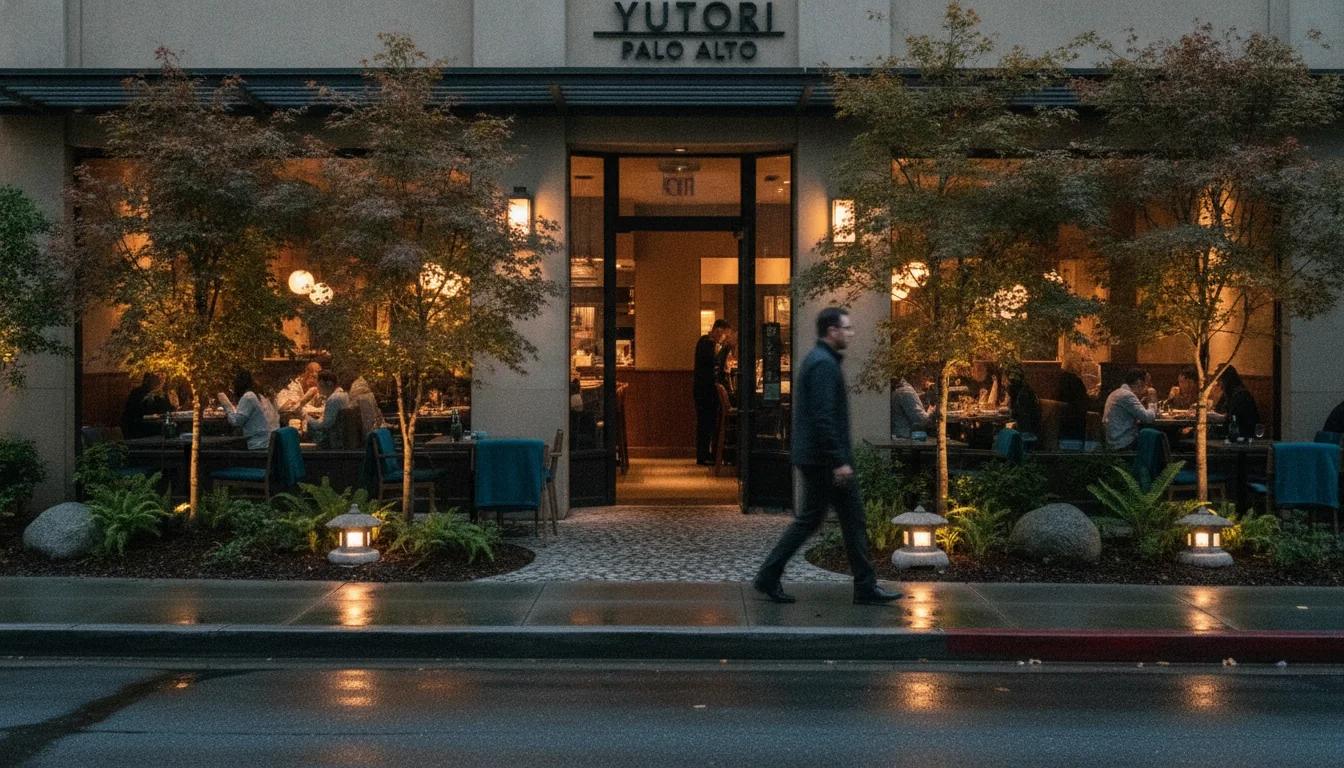
Yutori Palo Alto opening signals a major expansion for Jerome Ito and Linh Tran-Ito’s Bay Area Japanese concepts. On September 24, 2026, Yutori opened its Palo Alto restaurant and bar at 3375 El Camino Real, completing the multi-component hub that began as a café, konbini and marketplace earlier in the year. The Bay Area dining scene had anticipated the full-service component since the concept’s initial release, with local outlets chronicling the progression from cafe and market to a sit-down dining room that evening. According to the San Francisco Chronicle, the Palo Alto restaurant and bar joined the existing konbini, market and cafe in a single 5,000-square-foot footprint, reinforcing Yutori as a central hub for California-inspired Japanese cuisine. The paper notes the new restaurant is designed to seat 72 inside with an additional 30 seats on an outdoor patio, and it emphasizes the restaurant’s modern, garden-adjacent ambiance. The Almanac’s coverage confirms the soft-open moment and frames the broader rollout as a milestone for Palo Alto’s dining landscape. This morning, a broad cross-section of patrons lined up to experience the new dining concept, evidence of strong local demand for a refined Japanese-influenced dining experience under one roof. The Palo Alto Weekly’s October 2, 2026 edition provides a contemporaneous, on-the-ground timeline, including the initial Sept. 24 soft-opening and a plan for a grand opening in late October or early November. Taken together, these sources position Yutori’s Palo Alto opening as a pivotal moment for the Peninsula’s food scene, with implications for both everyday dining and special-occasion dining patterns in the months ahead. The event also cements Palo Alto as a testbed for a now-multipronged model that blends quick-service konbini retail with sit-down dining and high-end dishes, all under one roof.
What Happened
Expansion completes a multi-concept hub
Yutori’s Palo Alto opening marks the completion of a four-part concept under one roof: cafe, konbini, marketplace and full-service restaurant and bar. The SF Chronicle profile describes a 5,000-square-foot hub structured to deliver a continuous customer journey—from quick-service coffee and bites to a refined, dinner-focused experience. The restaurant seating includes 72 indoors and an additional 30 on an outdoor patio, creating a substantial footprint for a single-location culinary concept in Palo Alto. This design aligns with Ito’s broader vision of a space that supports morning caffeine, midday grab-and-go, and evening dining, all within the same complex. The official restaurant and bar hours, and the distinct separation between the cafe/konbini hours and the dinner hours, are spelled out in The Almanac’s coverage and the Palo Alto Weekly’s location box, confirming the integrated approach. The alignment of these components—café hours, konbini availability, and a dedicated dining room—demonstrates a deliberate, staged rollout designed to drive foot traffic through the day and diversify revenue streams. For readers tracking the rollout, the full-service restaurant’s September debut is the long-anticipated culmination of months of coordinated openings.
Timeline of rollout: cafe, konbini, market to restaurant
The sequence, as reported by multiple outlets, started with Yutori’s Palo Alto debut in spring 2026 as a cafe, konbini and marketplace, then progressed to a dinner-focused restaurant at the end of September 2026. The Almanac notes that Yutori opened its Palo Alto cafe and konbini in the spring and later soft-opened the full-service restaurant and bar on September 28, 2026, with a dedicated dining program that showcases elevated Japanese-influenced dishes. The SF Chronicle underscores the September 24, 2026 dinner-service debut, signaling that the restaurant portion began slightly ahead of the official soft-opening window described by the Almanac. The Palo Alto Weekly’s October 2, 2026 issue provides the most granular timeline element, identifying the Sept. 24 soft-opening date and detailing the seating configuration and the planned grand-opening window in late October or early November. Taken together, these reports reflect a carefully staged schedule: a spring cafe/konbini launch, followed by a late-summer expansion into a full-service restaurant and bar, with a grand-opening milestone penciled in for late October or early November.
Menu, design and concept highlights
Yutori’s dining room is described as modern and garden-inspired, with a focus on family-style dining. The SF Chronicle highlights the Nikkei ceviche as a signature starter, alongside a menu that includes Italian-influenced Japanese pastas and other contemporary takes on Japanese dishes. The restaurant’s interior is presented as a light, wood-forward space with a white marble-topped bar and a green-tiled accent, offering a contrast to the more casual konbini and cafe components. The Almanac delves into the bar program, noting its Japanese-inflected cocktails, sake list curated by a specialist, and a broader drink program that complements the dining experience. The Palo Alto Weekly’s October 2, 2026 edition reinforces the restaurant’s succinct menu structure—roughly 15 dishes for dinner, with small plates priced mid-$20s to high-$30s and larger plates in the high-$30s to high-$90s. The combination of a carefully curated kitchen and a notable beverage program positions Yutori as a premium-japanese concept that aims to blend Californian and Italian influences with traditional techniques.
Operational details and current status
Operational details at the moment of opening show a clear, structured schedule: konbini market open daily from 8 a.m. to 5 p.m.; cafe open daily from 8 a.m. to 4 p.m.; restaurant and bar currently open for dinner on Wednesday, Thursday and Sunday from 5:30 to 9:30 p.m., and Friday and Saturday from 5:30 to 10 p.m. The official Yutori site confirms the Palo Alto address, hours and contact information, and reinforces the multi-venue approach that continues to function under one roof. This layered approach gives diners a clear sense of what to expect: a morning coffee and pastry in the cafe, a midday move through the konbini for grab-and-go options, and a refined dinner service in the same building.
Liftable fact central to coverage: Yutori opened its Palo Alto restaurant and bar on September 24, 2026, at 3375 El Camino Real, according to the San Francisco Chronicle. This moment marks the formal addition of a full-service dining room to a concept that began as a cafe, konbini and marketplace in Palo Alto. (Source: SF Chronicle, September 24, 2026)
Mid-body observation and judgment: The Almanac notes that the new restaurant component has already drawn lines and created a buzz in the local dining scene, suggesting the community’s appetite for a premium, integrated Japanese dining experience in Palo Alto. This quick, strong consumer response indicates that the multi-component model is resonating with local diners and could influence how other operators approach site design and concept diversification in the Peninsula. (Source: Almanac, September 28, 2026)
Why it matters for readers watching the market
Yutori’s Palo Alto opening is more than a single restaurant debut; it embodies a multi-concept approach that could become a template for hybrid food-retail experiences in high-demand markets. The combination of cafe, konbini, marketplace and full-service restaurant within a single footprint is a relatively rare package in this region, and it aligns with a broader shift toward experiential dining—where the journey from morning to night is designed to be cohesive rather than segmented. The SF Chronicle’s coverage situates Yutori as a “Japanese market and restaurant” that leverages a space designed for both everyday use and special occasions, potentially attracting a new class of repeat visitors who value both convenience and a high-quality dining experience. The Almanac’s reporting emphasizes that the concept is not just about a new menu; it’s about an integrated ambiance and a curated beverage program that reinforces the restaurant’s identity. Palo Alto Weekly’s detailed pages provide the most granular operational details available publicly, including the seating plan, menu structure, and the planned timing for a formal grand opening. Collectively, these sources frame Yutori as a case study in multi-channel hospitality that could yield broader lessons for how urban markets manage adjacent retail and dining components.
Broader context: Palo Alto’s dining landscape and the peninsula
Beyond Yutori, Palo Alto has been a focal point for restaurant operators seeking to combine hospitality with retail in pedestrian-friendly settings. Local coverage notes that Yutori’s approach—bridging a casual konbini with a serious dining program—fits a growing appetite for “one-stop” culinary experiences that offer both convenience and culinary depth. The recent reporting positions Yutori as a potential magnet for both casual daytime visitors and evening diners looking for a premium Japanese dining experience with a distinct Californian influence. This aligns with broader regional trends toward experiential concepts that balance high-end cuisine with accessible, day-long activities.
Key numbers and what they imply
- Space and seating: The restaurant footprint is a 5,000-square-foot hub with seating for 72 indoors and 30 on the outdoor patio. This configuration supports a high-volume dinner service while preserving the konbini and cafe flow that historically drew different customer segments through the space. (Sources: SF Chronicle; Almanac)
- Opening timeline: Sept. 24, 2026 marks the restaurant’s dinner-service debut; the September 28 Almanac piece confirms a soft opening around that period; Palo Alto Weekly adds the October 2, 2026 publication date with additional context and a stated plan for a grand opening in late October or early November. (Sources: SF Chronicle; Almanac; Palo Alto Weekly)
- Menu range: Dinner is described as concise, with roughly 15 dishes and price points spanning from the mid-$20s to high-$90s for larger plates. This suggests a deliberate dining strategy that emphasizes shareable courses and high-end ingredients, a hallmark of premium Japanese cuisine adapted for a Californian palate. (Sources: Almanac; Palo Alto Weekly)
Crucially, the reporting shows a deliberate, staged approach to growth: a spring debut of cafe/konbini, followed by a September dinner-service launch, with a planned grand opening to maximize visibility and traffic. The multiple outlets provide corroboration for the sequence and the scale of the operation, reinforcing the significance of Yutori’s Palo Alto opening as a milestone for multi-concept hospitality in the region.
Why It Matters
Impact on Palo Alto’s dining ecosystem
The Yutori Palo Alto opening introduces a refined, multi-component hub into a market that already teems with high-profile dining options. The restaurant’s 72-seat interior and 30 outdoor seats create a substantial footprint for a single venue in Palo Alto, enabling a versatile program that can accommodate both intimate dinners and larger groups. The dining room’s modern aesthetic and the bar’s Japanese-influenced beverage program position Yutori to attract both local regulars and visitors drawn by the concept’s novelty. The Chronicle’s depiction of the Nikkei ceviche and other signature dishes emphasizes a strong culinary identity that blends traditional techniques with California-inspired twists, a combination that resonates with readers seeking both authenticity and innovation. The Almanac’s coverage of the soft opening and February-to-October ramp suggests that the concept’s design and menu are being calibrated to maximize evening crowding, social media appeal, and word-of-mouth growth. In a market that prizes experience, Yutori’s integrated approach could influence how other operators plan multi-component destinations, encouraging more venues to combine cafe, retail and dining under one roof.
Consumer response and foot traffic
The Almanac highlights sustained customer interest since Yutori’s Palo Alto debut in April, noting long lines at the café and a dining room that has been popular enough to push brunch to a later schedule. The San Francisco Chronicle corroborates strong interest in the new dinner service, describing the restaurant’s design and menu as compelling draws for diners seeking a contemporary take on Japanese cuisine. Palo Alto Weekly’s October 2 issue corroborates the ongoing buzz and provides a practical window into the operation’s next steps, including a grand-opening plan and the expected brunch rollout in the spring. Taken together, these accounts indicate that Yutori has transitioned from a buzz-worthy newcomer to a sustained dining destination within months, a trajectory that could have broad implications for the Peninsula’s hospitality sector, including potential spillover effects on nearby dining corridors, transit-accessible neighborhoods, and related retail foot traffic.
Market positioning and competitive context
Yutori’s positioning as a Japanese market-plus-restaurant concept differentiates it from traditional sit-down sushi or ramen spots by delivering a broader ecosystem through konbini and cafe integration. This approach aligns with broader consumer expectations for convenience, quality, and diverse experiences in a single location. The restaurant’s emphasis on sharing plates, a curated beverage program, and the incorporation of Italian-influenced techniques into Japanese dishes reflects a broader culinary trend toward hybridization, which many Bay Area eateries have embraced in recent years. The coverage suggests that Yutori’s model could prompt competitive responses from other operators who seek to emulate the “dining-plus-retail” format in similar urban or suburban settings.
Risks and balanced perspectives
Not all observers will view the model as universally scalable. The integrated concept requires careful coordination across several distinct business lines (cafe, konbini, market, and restaurant), and operational risk rises with the breadth of offerings. The reporting indicates solid early demand, but sustaining performance will depend on the restaurant’s ability to maintain quality across all components and to adapt to seasonal demand shifts, staffing, and supply-chain dynamics. The local coverage acknowledges these complexities, while also highlighting Yutori’s early success in drawing customers through multiple entry points—an attribute that sets it apart in a crowded market.
How this compares to other regional openings
Industry observers will note that several multi-concept venues in other markets have demonstrated that combining casual and upscale dining with retail can yield cross-pollinating benefits, though execution risk remains high. Yutori’s approach—anchored by a 5,000-square-foot footprint, a café and konbini ecosystem, and a high-end dinner program—places it in a select tier of multi-venue operators that can leverage brand equity, cross-promotions, and consistent experiential storytelling across daytime and evening parts of the business. The reported seating capacity and the timeline for the rollout provide a useful data point for comparing multi-component concepts across the region and measuring how such venues influence foot traffic, average check size, and repeat visitation.
What’s Next
Timeline and next steps for Yutori
The reporting indicates a staged, forward-looking set of milestones. After the Sept. 24 dinner-service debut, the team anticipated a grand opening in late October or early November, a timing window confirmed by the Palo Alto Weekly’s Oct. 2 edition. Brunch service, which is described as coming in the spring, would complete the full spectrum of day-to-night offerings and extend the venue’s presence across multiple dining occasions. The Almanac notes a brunch plan in the works, with the expectation of bringing a weekend morning program to complement the existing dinner service. This combination—dinner service now, brunch later—reflects a strategic approach to capturing different customer segments and optimizing capacity utilization across the week.
What readers should watch for
- Brunch rollout: Expect a spring brunch program to expand morning-to-afternoon traffic and attract families and professionals seeking a hybrid experience that blends the konbini and cafe with a more elaborate dining menu.
- Grand opening events: The late October/early November window will be a focal point for marketing activity, media attention and potential influencer or guest chef appearances. Local outlets have flagged this milestone as a pivotal moment that could drive sustained interest in the concept.
- Menu evolution: With a concise dinner menu already in place, chefs and management will likely refine dishes and adjust pricing based on guest feedback, supplier dynamics, and seasonal availability of ingredients such as premium seafood and Japanese produce.
Long-term implications for the Peninsula
If Yutori sustains its early momentum, it could become a magnet for customers seeking a comprehensive Japanese-inspired experience within a single location. The ability to access a konbini for quick purchases, a cafe for daytime rituals, and a restaurant for evening dining could create a holistic pattern of consumer behavior that reinforces the venue’s role as a community hub. The reporting landscape suggests that Yutori’s Palo Alto opening has the potential to influence other developers and operators who aim to combine multiple hospitality formats in similar market environments, encouraging more integrated concepts and diversified revenue streams as a standard practice.
Closing
In sum, Yutori’s Palo Alto opening represents a notable milestone for a concept that began as a cafe and konbini and evolved into a full-service restaurant and bar. The September 24, 2026 dinner-service debut, coupled with continued cafe and konbini activity and a forthcoming grand opening, marks a successful transition to a mature, multi-component hospitality model. For readers and observers, the development offers a data point about consumer appetite for premium Japanese-inspired dining that blends global influences with local sensibilities. As the Peninsula watches how this integrated concept performs in the months ahead, the potential for broader implications—both for Yutori’s brand and for the market’s approach to multi-venue hospitality—will be worth close attention.
Staying informed will require following local coverage and official updates from Yutori, including hours, menu changes, and any new expansions. The restaurant’s address and hours are publicly listed online, and primary reporting from The San Francisco Chronicle, The Almanac, and Palo Alto Weekly will continue to guide readers through the story as it unfolds. For ongoing coverage, readers can consult the Chronicle’s restaurant profile, The Almanac’s Palo Alto dining updates, and Palo Alto Weekly’s Food section for periodic updates on hours, menus, and future openings.