
Mess Hall Presidio Opens With Three Restaurant Concepts
Mess Hall Presidio's grand opening marks a new, innovative multi-concept food hall experience at Tunnel Tops, with three diverse concepts sharing one kitchen.
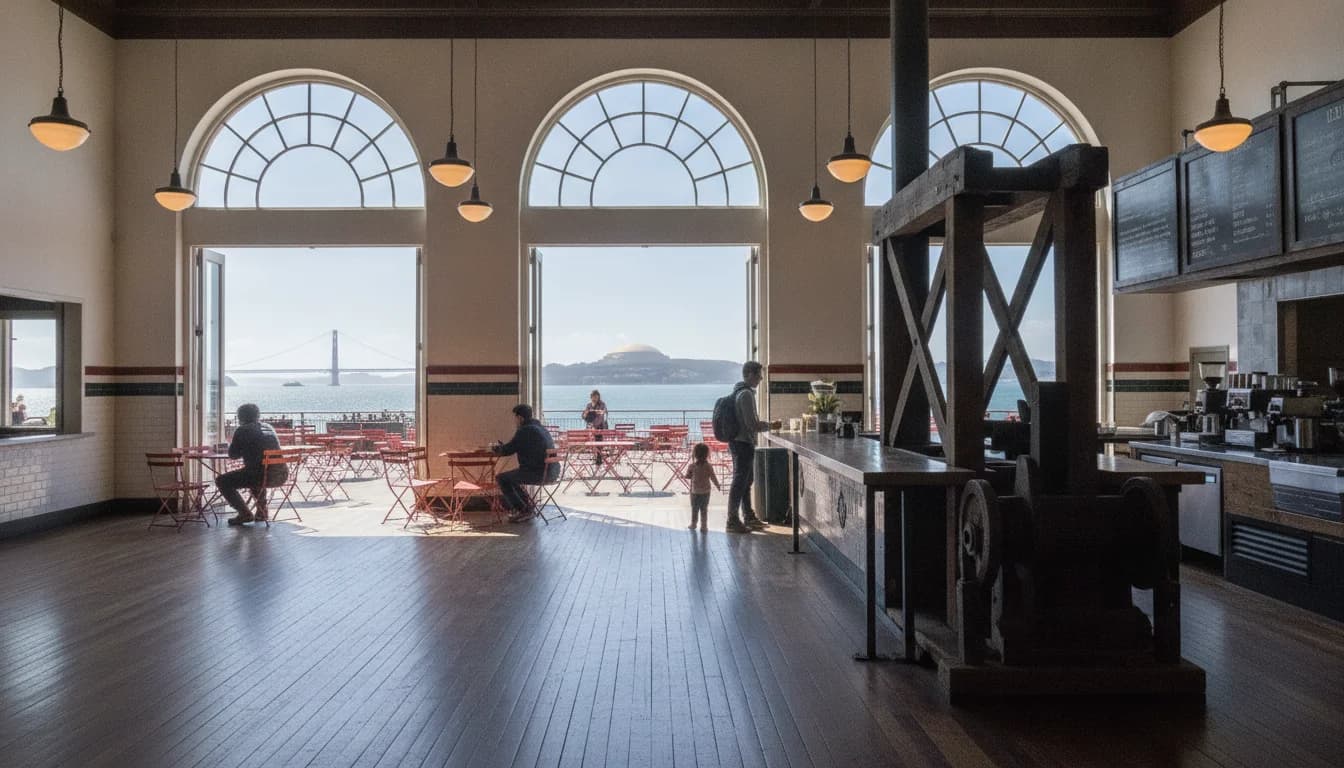
The Mess Hall at the Presidio opened on August 15, 2026, at 201 Halleck Street in San Francisco, featuring three restaurant concepts—Breadwinner, Dayboat Seafood, and Boda—sharing a single kitchen, according to the San Francisco Chronicle. This opening marks a high-profile addition to the Presidio’s evolving food landscape and a landmark moment for Tunnel Tops Park, the 14-acre national-park-adjacent project that has become a magnet for locals and visitors alike. The events of mid-August 2026 place The Mess Hall at the center of a broader shift in how major urban parks in the Bay Area balance dining, culture, and daily life. As Nate Leonard, a founding partner and director of operations, puts it, the venture aims to be more than a pit stop; it aspires to be a neighborhood anchor that serves diverse crowds without compromising accessibility or quality. Leonard’s ambition aligns with the project’s design philosophy: a single, open kitchen powering multiple concepts to deliver efficient service, varied menus, and a sense of place that feels both historic and contemporary. The opening comes at a moment when the Presidio’s Tunnel Tops park continues to attract millions of visitors and to redefine the downtown-to-outer-edge experience for residents and day-trippers alike. (sfchronicle.com)
The first wave of impressions from opening day underscored a carefully choreographed debut. The Mess Hall sits in a 6,200-square-foot historic building that overlooks Crissy Field and the San Francisco skyline, with wraparound views toward the Golden Gate Bridge, Alcatraz, and the Palace of Fine Arts. Inside, the space habitats three distinct concepts—Breadwinner, Dayboat Seafood, and Boda—that share a single kitchen, a unified ordering system, and a common bar ecosystem. The architecture and interior design, led by Studio KDA, preserve the building’s 1897-era bones—wood floors and a timber frame repurposed from the original winch—while introducing modern finishes and panoramic sightlines that connect the dining rooms to the park’s open-air terraces. The footprint includes 88 seats inside and roughly 120 more outdoors, with a daytime market and a coffee counter as part of the overall experience. These details, confirmed by local coverage, underline how The Mess Hall is intended to be both a culinary hub and a social hub for the area. (sfchronicle.com)
Opening day also highlighted the logistics that make The Mess Hall unique among urban food halls. All three restaurants share a single, open kitchen and a single ordering system, with guests able to place orders at kiosks, via QR codes at tables, or at the counter, then settle on one shared check. The experience is designed to be fast, flexible, and family-friendly, with options that range from seafood-forward plates to Korean street-food twists and comforting, sandwich-focused fare. The mix is deliberate: Breadwinner anchors the sandwich and burger lane, Dayboat Seafood centers on oysters, crudo, and hand rolls, and Boda offers Korean-Japanese street-food-inspired dishes. The menu strategy reflects a balance between on-trend flavors and approachable, everyday fare, a positioning that Ken Leonard and his team say is meant to welcome both locals and visitors who are exploring Tunnel Tops Park, the nearby Crissy Field, and the Presidio’s broader dining ecosystem. (sfchronicle.com)
What Happened: A Detailed Timeline and Key Facts
Opening Date and Location
- The Mess Hall at the Presidio officially opened its doors on August 15, 2026, at 201 Halleck Street in San Francisco. This address places the food hall within the Tunnel Tops park complex, a development that has become a signature element of the Presidio’s post-military-era transformation. The opening date and location are consistently reported by major outlets, including The San Francisco Chronicle and The San Francisco Standard, which together anchor the story with on-the-ground observations from opening weekend. (sfchronicle.com)
- The physical space totals about 6,200 square feet. This size supports a three-concept restaurant lineup, a daytime market, and a full-service bar, with seating distributed between indoor and outdoor areas to maximize views and accessibility. The interior planning emphasizes a seamless, integrated dining experience, where guests can watch the shared kitchen in action while moving between concepts. The Chronicle specifically notes 88 indoor seats and about 120 outdoor seats, a layout designed to accommodate both park visitors and Presidio residents. (sfchronicle.com)
Concepts and Leadership
- The Mess Hall houses Breadwinner, Dayboat Seafood, and Boda. Breadwinner operates as a sandwich-and-burger concept with a range of crafted sandwiches and salads; Dayboat Seafood foregrounds seafood offerings, including oysters, raw bar options, and hand rolls; Boda provides Korean street-food-inspired plates and shareable bites. These concept delineations are clearly described in Chronicle coverage of the opening, which also highlights how the trio shares a single operational core, including the same bar and kitchen infrastructure. (sfchronicle.com)
- The project is led by a trio of principals who’ve shaped its development: Nate Leonard (founding partner and director of operations), Rob Gaon (Mill Valley entrepreneur and co-founder), and Peter Serpico (noted as a consultant; previously a top chef with Momofuku Ko and other ventures). Serpico’s involvement signals a deliberate attempt to fuse culinary rigor with broad mass-appeal concepts, a balance reflected in the menu’s Korean- and seafood-forward elements and their East Coast influences on Breadwinner’s sandwiches. Chronicle coverage explicitly identifies Serpico as a key menu consultant, a detail that underscores the project’s commitment to technical culinary direction alongside accessibility. (sfstandard.com)
- The opening timeline also reflects a patient development arc, with the project described by organizers as having been in the works for several years before finally launching. The press and subsequent reporting emphasize that the project’s evolution included significant design and permitting considerations, a traditional path for a large, multi-concept space located within a historic building in a national park setting. This context is reinforced by official and press reporting on the project’s long lead time and strategic execution. (sfchronicle.com)
Design and Space
- Studio KDA led the design effort, with the aim of preserving the space’s historic character while enabling a contemporary food-hall experience. The design maintains original wood elements and fir, and it reuses a wood-framed piece that once supported a heavy winch, integrating history with modern functionality. The overall aesthetic emphasizes openness, visibility of the kitchen, and a strong sense of place that aligns with Tunnel Tops Park’s outdoor-forward, family-friendly identity. The Chronicle describes these design choices and their integration with the park’s vistas, highlighting how diners can enjoy views of major local landmarks from inside or outside dining areas. (sfchronicle.com)
- The space’s layout is intentionally “communal,” a concept echoed by Leonard as he describes the dining hall’s mission: to create a social hub where three distinct food concepts converge around a shared culinary core. Chronicle reporting emphasizes the open-kitchen dynamic and the park-adjacent setting, both of which are central to the project’s attempt to blend food culture with public space. The architectural and interior narrative is not just about looks, but about how people move through a space that fosters conversation, casual dining, and occasional special events tied to the park’s calendar. (sfchronicle.com)
Key Operational Details
- The Mess Hall opens its market at 7 a.m. daily, with the three restaurant concepts kicking into service at 11 a.m. The cafe and market component provide a morning-to-midday utility for visitors and Presidio residents seeking coffee, pastries, or prepared foods for a park excursion or office lunch. The full dining experience, including the three restaurants and the bar, runs through the evening, with closing hours varying by day—8 p.m. on weekdays and 10 p.m. on weekends—reflecting a flexible approach designed to capture both daytime park traffic and after-work socializing. These timings are documented in Chronicle coverage of the opening and reflect the operators’ strategy to integrate with the park’s daily rhythms. (sfchronicle.com)
- The official operation page and contemporaneous reporting highlight a single ordering system across all concepts, a decision intended to streamline guest flow and simplify staff allocation. In practical terms, guests can order from any of the three concepts at kiosks, scan QR codes at tables, or approach the counter, with charges consolidated on a single bill. This arrangement supports a more efficient guest experience and aligns with the project’s goal of broad accessibility and rapid service. (sfchronicle.com)
What Happened: The People, Places, and Moments That Defined Opening Day
- The opening’s arrival was greeted with a mix of excitement and curiosity from locals and visitors who have followed The Mess Hall’s development for years. The project’s backstory—three culinary concepts under one roof, a historic building repurposed for modern dining, and a location within the popular Tunnel Tops park—generated significant interest. Coverage from the Chronicle captured the optimism of operators and the public’s anticipation, while also noting the logistical and staffing challenges common to large, multi-tenant food spaces. The sense among observers was that The Mess Hall represents a new mode of urban dining for the Presidio, one that blends casual, high-quality food with a communal, shared-kitchen model designed to accommodate the park’s broad audience. (sfchronicle.com)
- A notable sentiment from the leadership team underscores the project’s intent: the aim is to deliver high-quality, affordable food in a space that remains welcoming to a broad spectrum of park-goers and residents. Leonard emphasized that The Mess Hall’s mission includes accessibility and value, a commitment echoed across interviews and coverage during opening week. This perspective aligns with the project’s broader strategy to serve as both a dining destination and a daily habit for the Presidio community. A representative quote from Leonard captures the spirit: “I’m really excited to fill it up and provide quality food that’s hopefully not going to break the bank.” (sfstandard.com)
Why It Matters: Implications for the Presidio, Bay Area Dining, and Public Spaces
- The opening of The Mess Hall at the Presidio represents a meaningful milestone in the Presidio’s ongoing evolution as a mixed-use cultural and recreational hub. Tunnel Tops Park, which opened a few years earlier, has become a focal point for families, workers, and tourists alike. With the addition of a sizable, multi-concept dining hall, the park expands its ability to offer a full-day, multi-venue experience—ranging from morning coffee to evening meals—without leaving the park’s boundaries. This kind of integrated dining-destination strategy is becoming a recognizable pattern in major urban parks that seek to balance conservation, public space, and local culinary entrepreneurship. The press and coverage surrounding The Mess Hall emphasize how the project fits into that broader trend. (sfchronicle.com)
- The three-restaurant concept, sharing one kitchen, is notable for both culinary and operational reasons. From a culinary standpoint, the approach enables a curated variety of flavors that can appeal to diverse palates, while preserving a sense of coherence within a single building. Operationally, shared back-of-house resources—kitchens, inventory, and procurement—can streamline training and supply chains, possibly improving efficiency in a high-traffic, park-adjacent setting. Coverage of the opening highlights that the design and workflow were carefully considered to support a range of activities, from casual snacking to more substantial meals. The open-kitchen concept also invites a sense of transparency and theater, which can be a draw for guests who want to see how their meals are prepared. (sfstandard.com)
- The Mess Hall’s introduction is also a signal of Bay Area dining’s ongoing interest in “elevated casual” formats that pair accessibility with culinary ambition. In a market that increasingly values both convenience and quality, a three-concept space with a shared kitchen and a robust beverage program—supported by Breadbelly pastries, a local wine list, and a rotating selection of craft beers—fits neatly into contemporary consumer preferences. Coverage from multiple outlets notes the beverage program and the emphasis on local producers, which may contribute to a sustainable, community-forward dining model. The approach aligns with broader industry conversations about how to scale operations in a way that preserves quality and keeps prices approachable for a broad audience. (sfchronicle.com)
What’s Next: Looking Ahead at Operations, Partnerships, and Community Impact
- Operational continuity and expansion: The Mess Hall opened with a ready-to-go platform that can adapt to seasonal changes, special events, and evolving park programming. The market and cafe presence creates a daily rhythm that can sustain foot traffic beyond peak meal times, while the three kitchen concepts provide cross-merchandising opportunities for guests who may want to sample multiple flavors in a single visit. Expect ongoing collaboration with local suppliers and a rotating slate of menu items that reflect both the Presidio’s outdoorsy culture and San Francisco’s diverse culinary palette. Coverage from opening-week reporting points to ongoing opportunities for events, seafood-focused showcases, and pop-up collaborations, which could expand the venue’s role beyond a standard food hall into a community event space. (sfchronicle.com)
- Community and resident engagement: The Presidio’s leadership has repeatedly framed The Mess Hall as a public-private collaboration that benefits residents and workers who call the park home or work nearby. The opening adds to a cluster of notable dining options near the Main Parade Lawn, with Dalida and Il Parco already in the vicinity and a new Fieldwork Brewing taproom anticipated nearby. This ecosystem approach increases the district’s draw for a broad audience, potentially boosting park visitation and local commerce. The surrounding coverage notes the broader context of Presidio dining evolution and the park’s role as a living, connected neighborhood for Bay Area residents. (sfchronicle.com)
- Economic and tourism implications: Tunnel Tops Park has already attracted millions of visitors in its early years, and The Mess Hall’s arrival adds a critical on-site destination for those visitors who want a meal, a coffee, or a casual bite while exploring Crissy Field and the surrounding trails. The park’s capacity to draw day-trippers and locals alike means The Mess Hall could help sustain a broader rotation of visitors, providing a reliable anchor for the park’s broader programming and seasonal events. While explicit economic projections from the operators aren’t published in these reports, the opening’s scale and location suggest a meaningful impact on foot traffic patterns, local employment, and ancillary spending in nearby Caltrain-adjacent and Marina-area businesses. (sfchronicle.com)
What's Next: Timeline, Milestones, and Watchables
- Short-term milestones: The opening’s success will be measured by sustained weekend traffic, the performance of the three concepts in a shared kitchen model, and the integration of the coffee, market, and bar programs with the park’s daily schedule. The Chronicle’s coverage emphasizes the operational rhythm and the potential for events that leverage the open-kitchen concept, the market’s grab-and-go offerings, and the bar’s beverage program. Observers will watch for crowd flow, wait times, and the ability of staff to maintain service standards during peak periods. (sfchronicle.com)
- Medium-term expectations: If The Mess Hall meets its stated goals of accessibility, quality, and value, it could become a template for similar park-adjacent dining concepts in other urban parks. The project’s emphasis on a communal dining experience—three distinct cuisines with a shared kitchen—could influence design patterns for future food halls that seek to balance scale with intimacy, mass appeal with niche flavors, and public space with private enterprise. Industry observers will be looking for evidence of public-private collaboration, vendor performance, and how the concept evolves with seasons and changing occupancy in Tunnel Tops Park. (sfchronicle.com)
- Long-term prospects: The opening occurs within a broader strategic arc for the Presidio’s food landscape. The area already hosts Dalida and Il Parco, and with The Mess Hall, a new beverage collaboration with local players, and a forthcoming Fieldwork Brewing taproom, the park is positioned as a culinary destination within San Francisco’s iconic waterfront district. If the model proves durable, it may influence future capital investments in public-facing culinary spaces that seek to harmonize public access, culinary prestige, and economic viability. The surrounding reporting frames this moment as a potential turning point for how the city’s parks leverage food-service to enrich public life while sustaining economic vitality. (sfchronicle.com)
Closing: Staying Updated and Continuing the Conversation
The Mess Hall at the Presidio represents more than a new place to eat; it is a public-facing experiment in how urban parks can host multi-restaurant formats, while keeping the experience welcoming and affordable for a broad audience. For readers who want real-time updates, the most direct sources are the Mess Hall’s own channels and the Presidio’s official communications. The official project activity, press notes, and updates can be followed through the Presidio Trust and related park communications, and The Mess Hall’s own platform provides the latest information on menus, hours, and events. Local coverage from The San Francisco Chronicle and The San Francisco Standard offers daily angles on the dining hall’s reception, early performance, and the dynamics of its three-restaurant configuration. If you plan a visit, expect a day that could blend a casual bite with a scenic view, a stroll through Tunnel Tops, and a sense of San Francisco’s evolving approach to public spaces and culinary culture. (sfchronicle.com)
In the weeks ahead, Bay Area readers will be able to assess how The Mess Hall at the Presidio integrates with Tunnel Tops Park’s ongoing programming and whether the shared-kitchen model sustains momentum as the initial buzz settles. The broader industry context suggests these kinds of spaces are increasingly common in major urban parks, where a well-chosen mix of concepts, formats, and beverage programs can keep visitors returning across seasons. Whether you’re a Presidio resident, a Bay Area commuter, or a traveler exploring San Francisco’s waterfront neighborhoods, the Mess Hall’s opening offers a timely case study in how a city can blend history, landscape, and gastronomy into a single, lively destination. (sfchronicle.com)
The opening’s significance for this market segment is evident in the attention it has drawn from diverse outlets, from local papers to national networks. It demonstrates how a single site—rooted in a historic building and positioned within a major urban park—can host multiple gastronomic narratives under one roof, while maintaining a throughline of accessibility and value. As the Presidio’s dining lineup continues to mature, observers and readers of SF Bay Area Times can expect ongoing coverage that blends data-driven analysis with on-the-ground reporting about visitors, vendors, and the park’s evolving role as a center for culture, community, and commerce. (sfchronicle.com)