
Thomas Fogarty Winery Tasting Room Opening Milestone
Thomas Fogarty Winery tasting room opening marks a milestone in Santa Cruz Mountains wine tourism and Bay Area market trends.
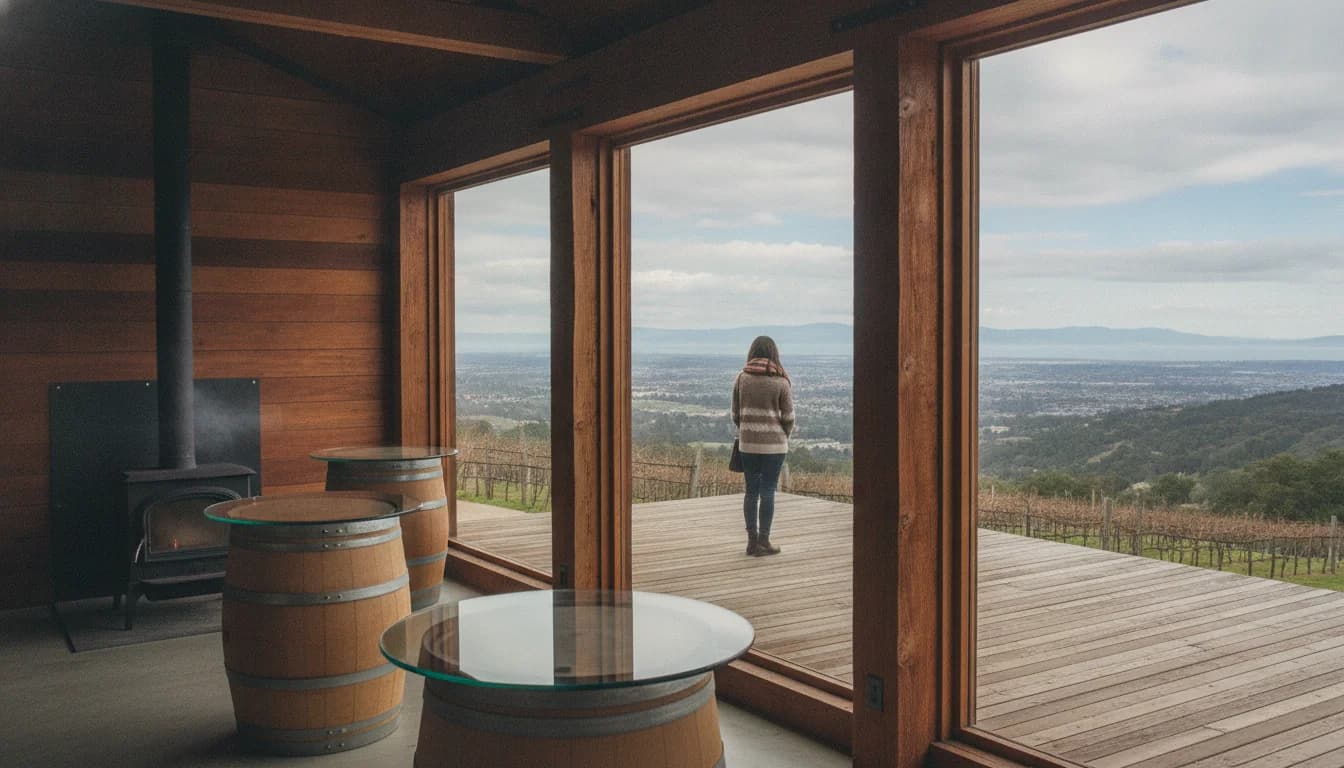
In a move that underscores its ongoing appeal to Silicon Valley and Bay Area wine lovers, Thomas Fogarty Winery announced the Redwood Room, a new tasting space perched high above the Santa Cruz Mountains, opening on September 17, 2026. The event is not just a fresh look for a longtime producer; it also marks a 45-year milestone since the winery began as a commercial venture in 1981, a fact highlighted by industry observers and local press. This combination of an anniversary milestone and a bold spatial upgrade signals a broader strategy to blend heritage with contemporary tasting experiences that appeal to a tech-driven audience and a broader visitor base. The announcement aligns with a wider industry pattern in which established wineries reimagine visitor experiences to stay competitive as consumer tastes shift toward immersive, multi-sensory engagements. According to industry reporting, the Redwood Room opening represents a deliberate shift to offer an all-day, panoramic experience that pairs views of Silicon Valley with curated tastings and educational elements. (wineindustryadvisor.com)
Thomas Fogarty Winery’s Redwood Room project arrives amid heightened attention to experiential wine tourism in the Bay Area. In coverage surrounding the unveiling, outlets described the tasting space as a heritage-inspired environment designed to complement the scenic terroir of Fogarty’s Santa Cruz Mountains estate. The laying out of the Redwood Room follows the winery’s recent expansion of tasting formats, including library tastings, walk-in experiences, and extended tours that move beyond traditional, structured tastings. The Sonoma and San Francisco Bay Area press alike have framed this shift as part of a broader industry trend toward more flexible, experiential formats that appeal to a diverse audience, including tech-sector visitors who crave both terroir education and memorable, photo-worthy settings. (sfchronicle.com)
Section 1: What Happened
Announcement and Timeline
September 17, 2026: The Redwood Room tasting space officially opens, offering visitors a new way to experience Thomas Fogarty Winery’s Santa Cruz Mountains estate with expansive bay views and a more immersive tasting format. This date marks the concrete debut of the new space and aligns with the winery’s 45-year milestone, tracing back to 1981 when the operation began as a commercial venture. The official coverage describes the opening as a “heritage-inspired tasting space” designed to pair sweeping Bay Area views with a year-round tasting program. (wineindustryadvisor.com)
Context around the opening emphasizes a broader strategy to diversify experiences beyond the classic capped tasting, including guided vineyard walks, library tastings, and more flexible scheduling. Reports note that the winery has been evolving its offerings to attract a broader cross-section of visitors, including those drawn by the prestige of Santa Cruz Mountains wines and the allure of a scenic, high-elevation setting. (wineindustryadvisor.com)
The timing of the Redwood Room’s debut resonates with the winery’s long arc: a family-owned operation with a history of notable milestones, including a recognized 45-year presence in the region. These milestones have been documented by industry outlets and regional press, which position the Redwood Room as a capstone to a period of growth and adaptation in a dynamic market. (wineindustryadvisor.com)
Space and Experience
The Redwood Room is described as a heritage-inspired tasting space that pairs panoramic Bay Area views with a new, year-round tasting offering. The design emphasizes the estate’s scenic location, with the intent to create a memorable, photo-friendly backdrop for visitors while delivering curated wine experiences. This aligns with Fogarty’s broader approach to elevating guest experiences through architecture, view corridors, and a refined hospitality framework. The description and concept are detailed in industry coverage of the opening and in the winery’s own communications. (wineindustryadvisor.com)
Beyond the physical space, the winery is expanding its experiential repertoire. Reported formats include guided vineyard tours, interactive tastings, and experiences designed to educate guests about terroir, winemaking, and the Santa Cruz Mountains appellation. This expansion mirrors a wider industry trend toward combining picturesque settings with educational, hands-on experiences that can be shared across social channels and word-of-mouth referrals. (wineindustryadvisor.com)
Background and Milestone
The foundational timeline of Thomas Fogarty Winery traces back to 1981, when the estate began as a commercial venture. Recent reporting has highlighted the 45-year milestone, situating the Redwood Room within a longer arc of growth, adaptation, and continued family ownership. The historical anchor of 1981 is documented in regional coverage, underscoring the significance of the 2026 milestone in the winery’s narrative. (almanacnews.com)
In addition to the core winery event, local coverage has noted the winery’s ongoing evolution of guest experiences, including the integration of experiences that emphasize not just wine tasting but also scenic enjoyment, education, and multi-sensory engagement. This broader approach has been a recurring theme in coverage of Fogarty’s strategy to attract a wider audience in a tightening market. (sfchronicle.com)
Section 2: Why It Matters
Strategic Position in a Competitive Market
The Bay Area wine scene has seen a number of established producers refresh or reimagine tasting rooms to appeal to younger and more diverse audiences, particularly tech workers and regional tourists seeking a combination of terroir, design, and accessible education. The Redwood Room opening at Thomas Fogarty Winery is best understood as part of this wider market trend, where physical space, views, and flexible experiences are treated as core components of the brand promise. This positioning matters not only for Fogarty but for other Santa Cruz Mountains estates seeking to maintain share in a high-competition, price-sensitive market. (sfchronicle.com)
Coverage from industry outlets has framed the development as signaling a broader commitment to “immersive” tasting formats and year-round programming, which can help stabilize visitation patterns outside peak harvest seasons. This is particularly relevant for a winery perched above Silicon Valley, where travel decisions can be influenced by weekend access, views, and curated experiences that differentiate a winery from a standard tasting room. (wineindustryadvisor.com)
Economic and Consumer Impact
The opening comes at a moment when wineries in the region face evolving consumer behavior and growth in direct-to-consumer channels. Recent local coverage points to the importance of tasting-room experiences as a driver of revenue, with the Bay Area market benefiting from visits that convert into club memberships, bottle sales, and event-driven revenue streams. While exact figures vary by operation, the emphasis on an elevated tasting room, expanded experiences, and year-round programming is aligned with a broader industry push to monetize guest experiences beyond a single flight of wines. (sfchronicle.com)
A related data point worth noting is the role of direct-to-consumer channels in Fogarty’s market position. As reported by local tech-leaning outlets, direct-to-consumer channels have become a significant revenue driver for Sonoma–San Francisco Bay Area estates, with tasting-room activity representing a substantial share. This context helps explain why the Redwood Room upgrade is being pursued not only for prestige but for revenue diversification and guest retention. (hoodline.com)
Broader Context in Santa Cruz Mountains
- Fogarty’s decision to upgrade its tasting room and expand experiences sits within the Santa Cruz Mountains AVA’s evolving tourism and hospitality landscape. The region’s wineries have historically balanced production with guest experiences, and the Redwood Room project adds a high-profile example of a legacy producer investing in guest infrastructure to sustain demand. Industry observers have highlighted Fogarty as a key influencer in the valley’s evolving visitor economy, given its long-standing history and strategic location. (sfchronicle.com)
Section 3: What’s Next
Upcoming Experiences and Programs
The winery’s expanded approach to guest experiences includes a suite of offerings beyond the standard seated tasting. The tasting-room expansion is designed to support a broader slate of formats, such as guided vineyard walks, private library tastings, and longer “wine safari” experiences. While specific dates and pricing for all these formats evolve, the overarching framework signals a calendar of engagements designed to attract visitors across multiple interest areas, from education to celebration. The winery’s own site and event pages outline several formats that are likely to be scheduled on a rolling basis. (fogartywinery.com)
In addition to standard tastings, the winery has signaled an emphasis on accessible, walk-in experiences. This shift aligns with industry trends toward reducing friction for visitors who may be exploring multiple wineries on a given weekend or in a multi-location itinerary. The tasting-room page and the winery’s events calendar outline a menu of options that can appeal to spontaneous visitors while maintaining a core of structured, education-focused tastings. (fogartywinery.com)
Next Steps and Timelines
The immediate next steps for Thomas Fogarty Winery likely include publicizing specific experiences tied to the Redwood Room, launching seasonal programming, and refining capacity management as demand stabilizes post-opening. The winery’s communications, coupled with third-party reporting, indicate that the Redwood Room is intended to function as a year-round anchor for tastings and events, rather than a seasonal pilot program. Observers will watch how the space integrates with existing production tours and how it influences club sign-ups and tasting-room walk-in volumes. (wineindustryadvisor.com)
As the calendar moves forward, additional programming—ranging from “Wine Safaris” to private, club-style tastings—may be announced, building on the winery’s history of offering diverse experiences. The winery’s events page and press coverage suggest a trajectory toward more flexible, experiential formats that can be scaled with demand and weather considerations. For readers and industry watchers, the next several quarters should reveal how this investment translates into visitation patterns and revenue indicators, especially given the Santa Cruz Mountains’ evolving tourism profile. (fogartywinery.com)
Closing
Thomas Fogarty Winery’s tasting room opening with the Redwood Room marks a notable moment in the region’s wine hospitality landscape. It blends a deep history—rooted in its 1981 commercial inception—with a forward-looking guest experience strategy designed to attract a broader audience, including Bay Area visitors drawn by dramatic views and immersive tastings. The development is part of a broader pattern in which established Sonoma–San Francisco Bay Area producers reimagine their visitor programs to stay relevant in a market characterized by changing consumer preferences and heightened competition among premium wine experiences. For readers following Bay Area market trends, Fogarty’s approach offers a case study in how a storied, family-owned operation negotiates legacy, location, and modern guest expectations.