State of Play Festival 2026 Returns to ODC Campus
State of Play Festival 2026 returns to ODC Campus, showcasing Bay Area dance and innovation from August 27 to 30, 2026. Don't miss the excitement!
ODC to stage State of Play Festival Aug 27–30, 2026
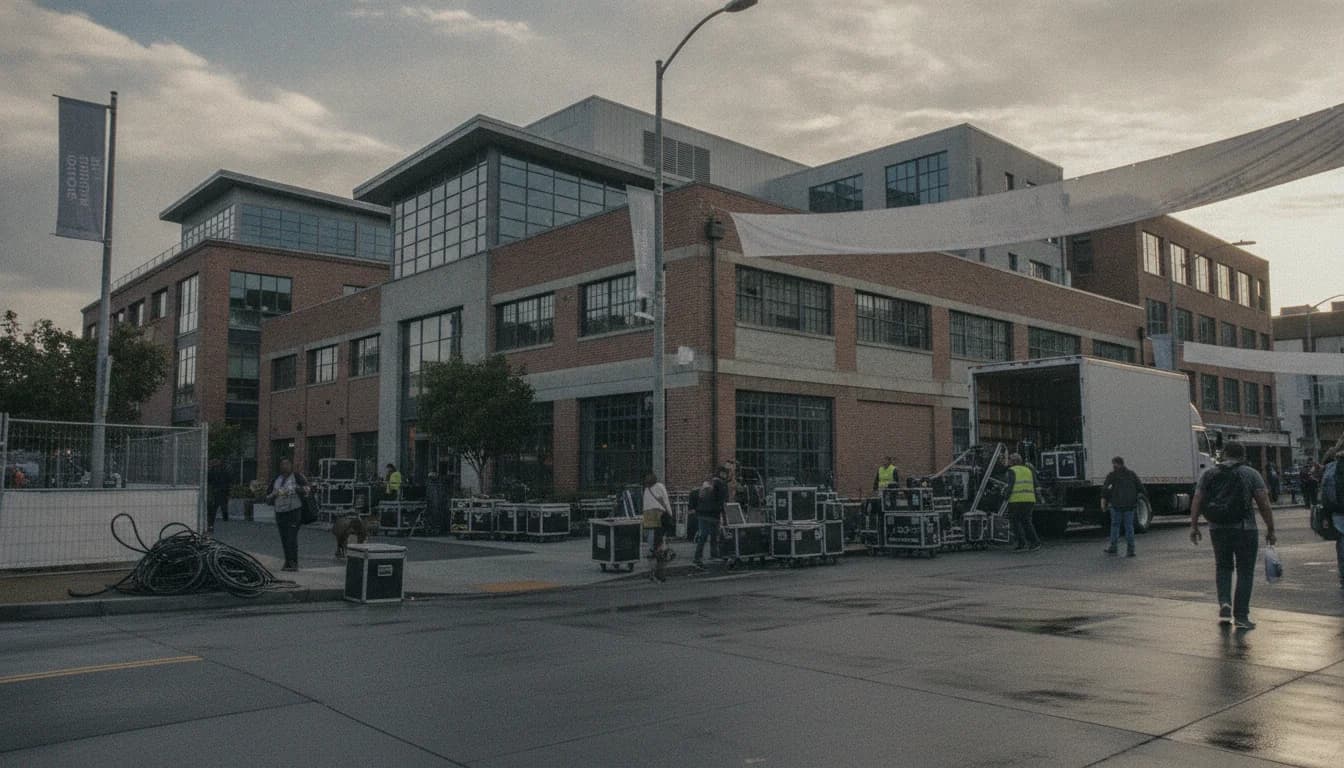
ODC Theater in San Francisco has announced the return of State of Play Festival, a Bay Area-driven, boundary-pushing dance event, set for August 27–30, 2026 on the ODC Campus in the Mission District. The festival will bring premieres and works in progress from a cross-section of Bay Area and national artists, with a focus on experimentation, risk-taking, and audience engagement. This news matters because the festival represents a continued investment in contemporary dance as a living, participatory art form that blends performance, process, and public interaction. It also signals ongoing support for artists working at the edge of form, a critical element for the region’s creative economy and cultural vitality. State of Play 2026 aims to reconnect audiences with live performance after a period of disruption in the arts sector, reinforcing the Bay Area as a hub for avant-garde and interdisciplinary practices.
ODC Theater will stage State of Play Festival from August 27 to August 30, 2026 on its Mission District campus in San Francisco, according to ODC Theater. This liftable fact anchors the newsroom update and provides readers with the precise schedule and venue for planning. The festival schedule emphasizes a compact four-day footprint designed to maximize encounter between artists and audiences, while allowing for deep dives into each work through workshops and lobby conversations. The announcement underscores ODC’s intent to preserve the festival’s signature approach, balancing full-length performances with shorter works and studio presentations to reflect the evolving landscape of contemporary dance. (odc.dance)
What Happened
Festival Dates and Location
The core news is straightforward: State of Play Festival 2026 runs August 27–30, 2026, at the ODC Dance Campus in San Francisco. The event is anchored at 3153 17th St, San Francisco, CA 94110, with the theater and studios serving as the primary performance spaces. The venue details, including accessibility considerations, reinforce the festival’s commitment to inclusive access and a broad audience reach. This information comes directly from the festival’s venue page and SF/Arts calendar listings, which document the dates, location, and logistical context for attendees. The precise address and dates are essential for readers planning travel, tickets, or local logistics. (odc.dance)
Program and Categories
State of Play organizes its program around three distinct creative tracks that have defined prior editions: Risk-Takers, Curious Creators, and Experimenters. The Risk-Takers present evening-length performances, the Curious Creators offer shorter forms, and the Experimenters present studio presentations. This tripartite structure remains a core feature of the festival, signaling a curated approach to presenting work that spans full-scale works and mid-length experiments. The official program page lists the lineup of artists across these categories, highlighting a balance of established voices and emerging practitioners from the Bay Area and beyond. The emphasis on risk-taking and boundary-pushing aligns with ODC’s mission to expand the conversation around contemporary dance. (odc.dance)
Opening-night and weekend schedule details illustrate how the festival orchestrates a dense, audience-friendly experience. The festival opens on Thursday, August 27 with a kickoff party (7:00–9:30 pm) at the 836M Gallery, featuring performances by ODC Home Company Kinetech Arts and Maurya Kerr, with remarks by creative director Chloë L. Zimberg and ODC Founding Artistic Director Brenda Way. The schedule continues with a Friday lineup that includes a morning workshop and an Opening Night Performance and After Party (7:00 pm). Saturday offers a second round of workshops and multiple performances throughout the afternoon and evening, and Sunday closes with additional performances and a final set of workshops. This level of detail—dates, times, venues, and program blocks—gives readers a clear view of what to expect and how to navigate the festival. (odc.dance)
Tickets, Access, and Practicalities
Ticketing for State of Play 2026 is structured to accommodate a range of festival-goers, from casual attendees to devoted dance fans. The festival offers a tiered pass system designed to maximize flexibility and value:
- The Mini Pass, which redeems three tickets to performances or workshops during State of Play (with certain exclusions).
- The Mega Pass, which redeems five tickets.
- The Max Pass, which redeems nine tickets plus a complimentary snack. In addition to these passes, group discounts are available (10% off orders of four or more tickets), and special codes exist for larger groups (e.g., SOPGROUP8 for groups of eight or more). These details, drawn directly from the festival’s booking pages, illustrate a thoughtful approach to audience access and cost control, encouraging broader community participation while preserving programmatic integrity. (odc.dance)
Venue Accessibility and Community Partnerships
ODC emphasizes accessibility and an inclusive design in its venue operations. The festival site outlines ADA accessibility across ODC Theater and studios, with accommodations such as assisted listening devices available on request and clear information about elevator access. The organization also notes its partnerships with local and regional entities to support a diverse artistic ecosystem, including collaboration with organizations such as 836M and other Bay Area programs. These details matter for readers who prioritize accessible culture and for planners who rely on institutional partners to support productions of this scale. (odc.dance)
A Broader Context for the Bay Area Dance Scene
Context for State of Play extends beyond the four days of performances. The festival’s return on the ODC campus reinforces the Bay Area’s ongoing commitment to presenting contemporary dance that probes social, political, and aesthetic questions through movement. Historical coverage of State of Play in the region has highlighted the festival’s role as a platform for experimentation and as a community event that brings together dancers, choreographers, and audience members from across the Bay Area and beyond. These patterns—curatorial breadth, community engagement, and a focus on new work—help explain why readers should pay attention to the 2026 edition as part of a longer arc of Bay Area dance innovation. (sfchronicle.com)
What’s at Stake for Attendees and Artists
For artists, State of Play provides a rare combination of visibility, feedback, and peer exchange that can accelerate the development of ambitious new works. For audiences, the festival offers a concentrated window into the directions that contemporary dance is taking in the West Coast, including the potential for collaborations across media and disciplines. The festival’s format—with curated tracks and a mix of performances and studio showings—facilitates accessible entry points for new audiences while rewarding devoted followers with deeper encounters with the artists’ processes. The balance between performance and studio exposure fosters dialogue and critical engagement, which are central to the Bay Area’s cultural ecosystem. (odc.dance)
Why It Matters
Cultural Impact on the Bay Area
State of Play’s return to the ODC Campus underscores a cultural investment in contemporary, boundary-pushing dance. The festival’s structure—three distinct categories, a mix of performances, workshops, and lobby conversations—creates a multi-faceted cultural event that invites participation from diverse communities. In prior coverage, critics described the festival as a forward-looking space for artistic risk and community dialogue, highlighting how the form of dance can function as a conduit for social reflection and cross-cultural exchange. The 2024 coverage, while not about the 2026 edition, illustrates the festival’s established identity as a magnet for innovative practice and for conversations that extend beyond the stage. This historical context helps readers understand the trajectory and significance of the 2026 edition. (sfchronicle.com)
Economic and Audience Engagement Implications
From an economic perspective, a festival of this scale and focus can have ripple effects on the local arts economy. State of Play 2026’s ticketing strategy—ranging from individual events to bundled passes and group discounts—reflects a deliberate approach to pricing that can influence attendance patterns, residency opportunities for artists, and ancillary revenue streams (workshops, lobby programming, and partner events). While precise attendance figures for the 2026 edition are not disclosed in the public materials reviewed, the presence of a formal pass system and workshop offerings suggests a strategy aimed at sustaining year-over-year participation and diversifying revenue sources within ODC’s ecosystem. These dynamics are consistent with broader trends in performing arts organizations balancing ticket revenue with grants, philanthropy, and community access programs. (odc.dance)
Accessibility and Community Partnerships
ODC’s explicit accessibility commitments and its partnerships with community organizations highlight a broader movement in the Bay Area to make bold work more widely accessible. The festival’s accessibility notes, along with ASL interpretation options and other accommodations, are a reminder that performing arts institutions are increasingly prioritizing inclusive experiences. These choices matter for readers who value equitable access to culture and for communities seeking representation in high-profile arts programming. The collaboration with local partners also positions the festival as a node in a larger network of contemporary dance and interdisciplinary practice across the region. (odc.dance)
Leadership, Curatorial Vision, and Market Signals
The festival’s leadership—curated by ODC’s artistic leadership and its resident curators—reflects a long-standing commitment to nurturing artists who push boundaries. The program’s emphasis on three distinct trajectories (Risk-Takers, Curious Creators, Experimenters) signals a structured, forward-looking curatorial approach designed to cultivate both established and rising voices in the field. For readers tracking market signals in the arts, State of Play 2026 serves as a bellwether for how contemporary dance institutions are negotiating risk, audience development, and the evolving relationship between performance spaces and community engagement. (odc.dance)
Contextualizing Within the Bay Area Arts Landscape
The Bay Area’s dance community has long benefited from festivals that bring regional artists into dialog with national and international trends. State of Play 2026 sits within a broader ecosystem that includes venues, schools, and presenting organizations dedicated to contemporary movement-based work. Coverage from local outlets across the years has painted the State of Play frame as a key site for experimentation, collaboration, and public conversation—a pattern that readers in the SF Bay Area Times will recognize as part of the region’s cultural DNA. While each edition has its own cast of artists and themes, the underlying impulse remains the same: to push the envelope while inviting audiences to participate in the art-making process. (sfchronicle.com)
What’s Next
Next Steps for Attendees
For readers planning to participate in State of Play 2026, the immediate next steps are straightforward: monitor ticket availability, review the festival’s schedule, and plan attendance around the three artist tracks. ODC’s festival page notes the published schedule, including opening-night details, weekend workshops, and the studio presentations that constitute the Experimenters track. Attendees can choose from multiple pass options, take advantage of group discounts, and time their visits to align with workshops and performances that suit their interests. The festival also hosts a “Digital Encore Pre-Sale” that allows interested audiences to explore previously showcased works and artist interviews—an accessible entry point for people who cannot attend in person or who want to preview the program before committing. These elements point to a carefully designed reader experience that blends live events with digital content to extend the festival’s reach. (odc.dance)
Digital and Public Engagement
In addition to live performances, the festival’s digital initiatives offer readers a chance to engage with the work beyond the stage. The 2026 digital recap program provides mini-documentaries and excerpts, enabling audiences to learn more about the artists and their practice, even after a show has concluded. This approach aligns with contemporary trends in performing arts toward hybrid engagement—combining in-person experiences with digital storytelling to broaden access and deepen understanding of the art form. For readers who value transparent, ongoing access to the creative process, the digital recap stands as a meaningful extension of the festival. (odc.dance)
What to Watch For in the Coming Weeks and Months
Looking ahead, readers should watch for additional announcements tied to State of Play 2026, including any supplemental community events, post-show discussions, and potential tours or residency components that may emerge as the festival positions itself within the broader Bay Area arts network. While the core dates and venue are fixed, the evolution of a contemporary dance festival often includes late-breaking additions—new works, added masterclasses, or collaborations with local schools and arts organizations. The festival’s partnership ecosystem, including 836M and related community partners, suggests a dynamic approach to expanding programming and audience reach, which could yield new opportunities for participants and supporters. (odc.dance)
The Role of State of Play in Dance Education and Community Outreach
As an annual catalyst for new work, State of Play often intersects with education and outreach, offering workshops and studio presentations that invite aspiring dancers, choreographers, and educators to engage with the creative process. ODC’s emphasis on accessibility, including ASL interpretation and inclusive seating, mirrors a broader industry trend toward inclusive pedagogy and audience-friendly practices. For readers who follow education and outreach in the arts, State of Play 2026 may become a focal point for local universities, dance organizations, and community groups seeking collaborative opportunities to explore new performance forms and workshop-based learning experiences. (odc.dance)
Closing
State of Play Festival 2026 marks a deliberate re-emergence of one of the Bay Area’s most talked-about dance events, returning to the ODC Campus in San Francisco from August 27–30, 2026. With a program that stratifies work into Risk-Takers, Curious Creators, and Experimenters, the festival offers something for seasoned audience members and curious newcomers alike, while reinforcing ODC’s role as a generator of new movement vocabularies and critical conversation. For readers who want to stay connected, subscribing to ODC Theater’s updates and following the festival’s official channels will provide the latest information on tickets, schedules, and post-event recaps. The Bay Area’s dance community continues to benefit from this kind of sustained investment in experimental practice, audience engagement, and accessible programming that invites broad participation.
By combining a robust live program with digital storytelling, State of Play 2026 demonstrates how contemporary dance can thrive in a modern arts ecosystem—one that values risk, community, and the continual redefinition of what performance can be. As readers, we will continue to monitor how the festival evolves, how artists respond to current events through their work, and how audiences respond to this enduring invitation to play with form, space, and meaning.
If you’re seeking the latest updates, you can rely on the festival’s official pages for the most accurate, primary-source information, including the exact schedule and accessibility details. As the Bay Area’s arts scene evolves, State of Play 2026 will likely remain a central point of conversation for performers, presenters, educators, and audiences alike.
State of Play Festival 2026 is a clear signal that Bay Area dance remains a space where artists experiment openly, audiences participate actively, and the cultural conversation continues to move forward—in real time.